





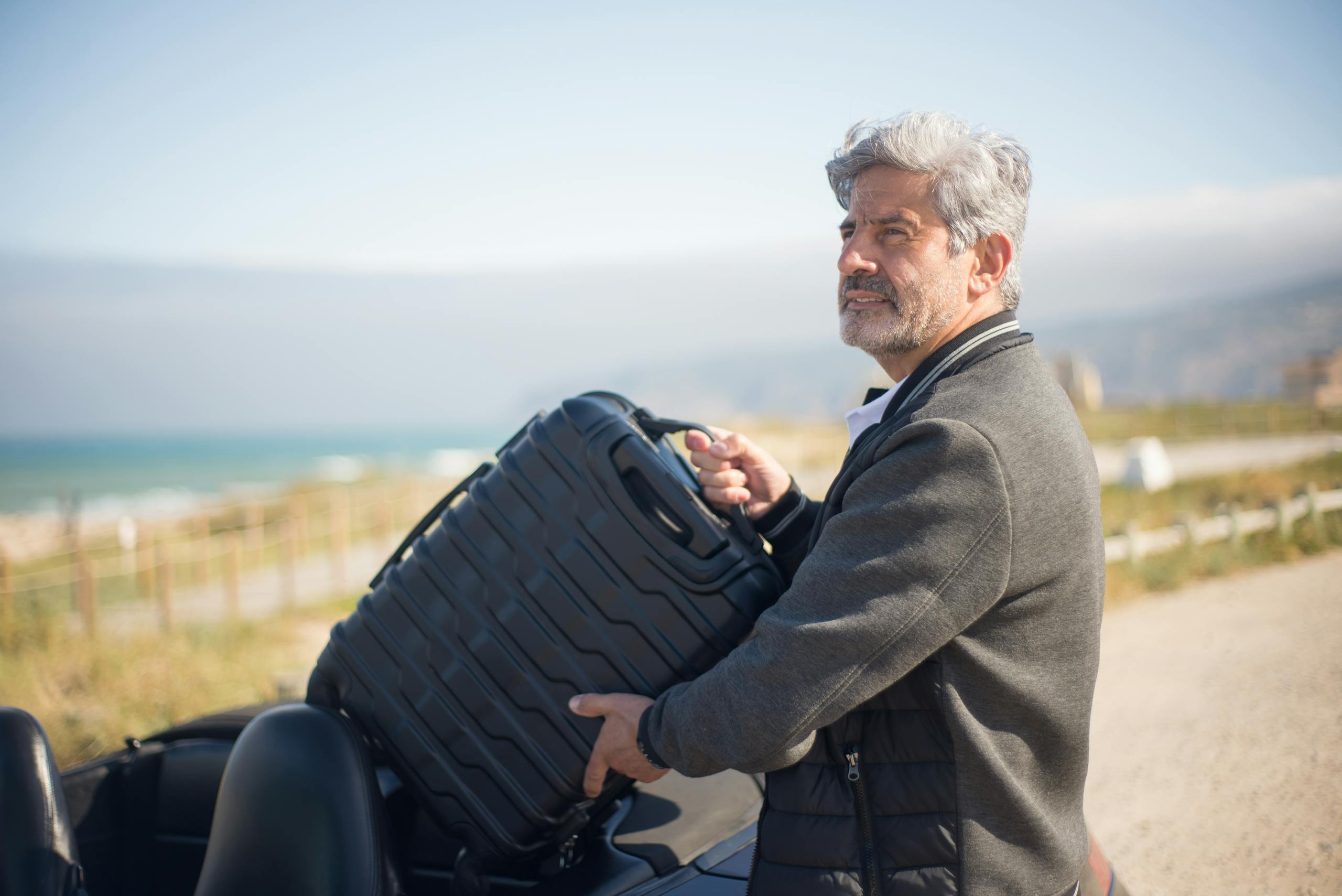
Cultural Travel for Seniors: Planning Arts-Focused Trips That Go Beyond Tourism
There is a difference between visiting a place and experiencing it. Tourism, at its least inspiring, is a checklist: the Eiffel Tower, the Colosseum, a gondola ride. Cultural travel asks a different question: What is this place made of? What have its people made? And the answers — in art museums and concert halls, at folk festivals and archaeological sites, in the studios of living artists and the archives of ancient libraries — are among the most rewarding things travel can offer.
What Makes Travel “Cultural”
Cultural travel is defined less by destination than by intention. It involves seeking out the human creativity and heritage of a place: its visual art, architecture, music, food traditions, literature, history, and living culture. The key distinction from conventional tourism is depth over breadth. Cultural travelers typically see fewer places but engage with each more fully. They are willing to spend an entire afternoon in a single museum gallery. They seek out performances and events, not just monuments. They sometimes take a class — a cooking lesson, a drawing session, a weaving workshop — to understand a tradition from the inside.
The Case for Slower Travel
The quality of experience is inversely related to the pace of movement. A two-week trip that visits four cities produces fragmented, surface-level impressions. A two-week trip that stays in one place produces something more like genuine understanding.
This is one of the real advantages of later-life travel: the freedom to go slowly. Without school calendars, work commitments, or children’s schedules, retired adults can often travel for longer, stay in one place longer, and schedule fewer must-see stops. Renting an apartment or cottage for a week or two transforms the travel experience. You shop at the local market. You become a regular at the neighborhood café. You start to understand the rhythm of the place.
Arts-Focused Destinations Worth Knowing
Italy: The canonical destination for visual art lovers. Florence alone contains more Renaissance masterpieces per square mile than anywhere else on earth — but the cultural riches extend to Venice, Rome, Siena, Bologna, Naples, and dozens of smaller cities. Italy rewards slow travel; consider basing in a single city for a week or two.
France: Paris is one of the greatest art cities in the world — the Louvre, the Musée d’Orsay, the Pompidou, the Rodin Museum, and dozens of smaller institutions. France also has one of the world’s great festival traditions: music, film (Cannes), theater, and folk culture are celebrated throughout the country.
Japan: Particularly compelling for those interested in traditional arts: theater (Noh, Kabuki, Bunraku puppet theater), ceramics, textile arts, lacquerwork, calligraphy, and garden design. The country is exceptionally well-organized for international visitors, with excellent infrastructure and safety.
Spain: The Prado and the Reina Sofía in Madrid. The Picasso Museum and the Fundació Miró in Barcelona. The Alhambra in Granada. Flamenco in Seville. Spain’s cultural offerings are diverse and extraordinary.
United States: Cultural travel does not require a passport. New York, Chicago, Los Angeles, Washington D.C., Boston, Philadelphia, New Orleans, Santa Fe, and Nashville are among the most culturally rich cities in the world. Road trips through regions with distinct cultural identities — the Delta, Appalachia, New England, the Southwest — can be as rewarding as any international journey.
Organizations That Specialize in Cultural Travel for Older Adults
- Road Scholar (formerly Elderhostel): The premier organization for educational travel programs for adults over 50. Offers hundreds of arts- and culture-focused programs in the United States and internationally, including art history tours of Italian cities, Native American cultural experiences in the Southwest, and music history programs in New Orleans.
- Smithsonian Journeys: Travel programs organized by the Smithsonian Institution, often led by Smithsonian scholars and curators. Destinations span the globe with a consistent focus on cultural and historical depth.
- Museum travel programs: Many major museums — the Metropolitan Museum of Art, the Art Institute of Chicago, the Getty — organize member travel programs led by curators or art historians.
- Alumni travel programs: Universities frequently offer travel programs open to alumni communities. Check whether your institution offers a cultural travel program.
Practical Considerations for Senior Cultural Travel
Pace and stamina: Museums are tiring. A full day at the Uffizi Gallery — walking on hard marble floors, standing before paintings, processing enormous amounts of visual information — is genuinely demanding. Build rest into your itinerary. Plan for one major institution per day, not three.
Booking in advance: Major museums in popular cities now require timed entry tickets that must be booked in advance. The Vatican Museums, the Uffizi, the Anne Frank House, and many other institutions sell out days or weeks ahead during peak season.
Accessible travel: Most major cultural institutions worldwide are increasingly accessible, but accessibility varies significantly by destination. Italy, despite its extraordinary cultural riches, presents accessibility challenges in historic city centers. Japan is exceptionally accessible. Cruises are often underrated as cultural travel vehicles for older adults: mobility challenges are largely confined to the ship, and shore excursions can be carefully selected.
Travel insurance: Always purchase comprehensive travel insurance when traveling in later life. This should include medical evacuation coverage, trip interruption coverage, and coverage for pre-existing conditions.
A Different Way to See a Place
There is a practice among experienced cultural travelers: on the first day in a new city, visit one museum — just one. Spend three or four hours there, slowly. Eat lunch in the museum restaurant. Then walk back to wherever you are staying, paying attention. What do you notice now that you did not notice before? What has the art done to how you see the streets?
This is cultural travel at its best: not accumulating experiences but deepening them. Letting what you see in a gallery change how you look at everything else. The city becomes, in this way, a kind of continuous work of art — one that you are learning to read.
Related Articles
- Cultural Travel After 50: How to Experience a Place Through Its Art, History, and Living Traditions
- Arts & Culture After 50: Your Complete Guide to a Richer, More Meaningful Cultural Life
- Cultural Immersion Travel: How to Go Beyond the Tourist Trail
- Arts and Culture for Seniors: Your Complete Guide to a Richer, More Creative Life
[…] Cultural Travel for Seniors: Planning Arts-Focused Trips That Go Beyond Tourism […]
[…] Cultural Travel for Seniors: Planning Arts-Focused Trips That Go Beyond Tourism […]
[…] Cultural Travel for Seniors: Planning Arts-Focused Trips That Go Beyond Tourism […]