





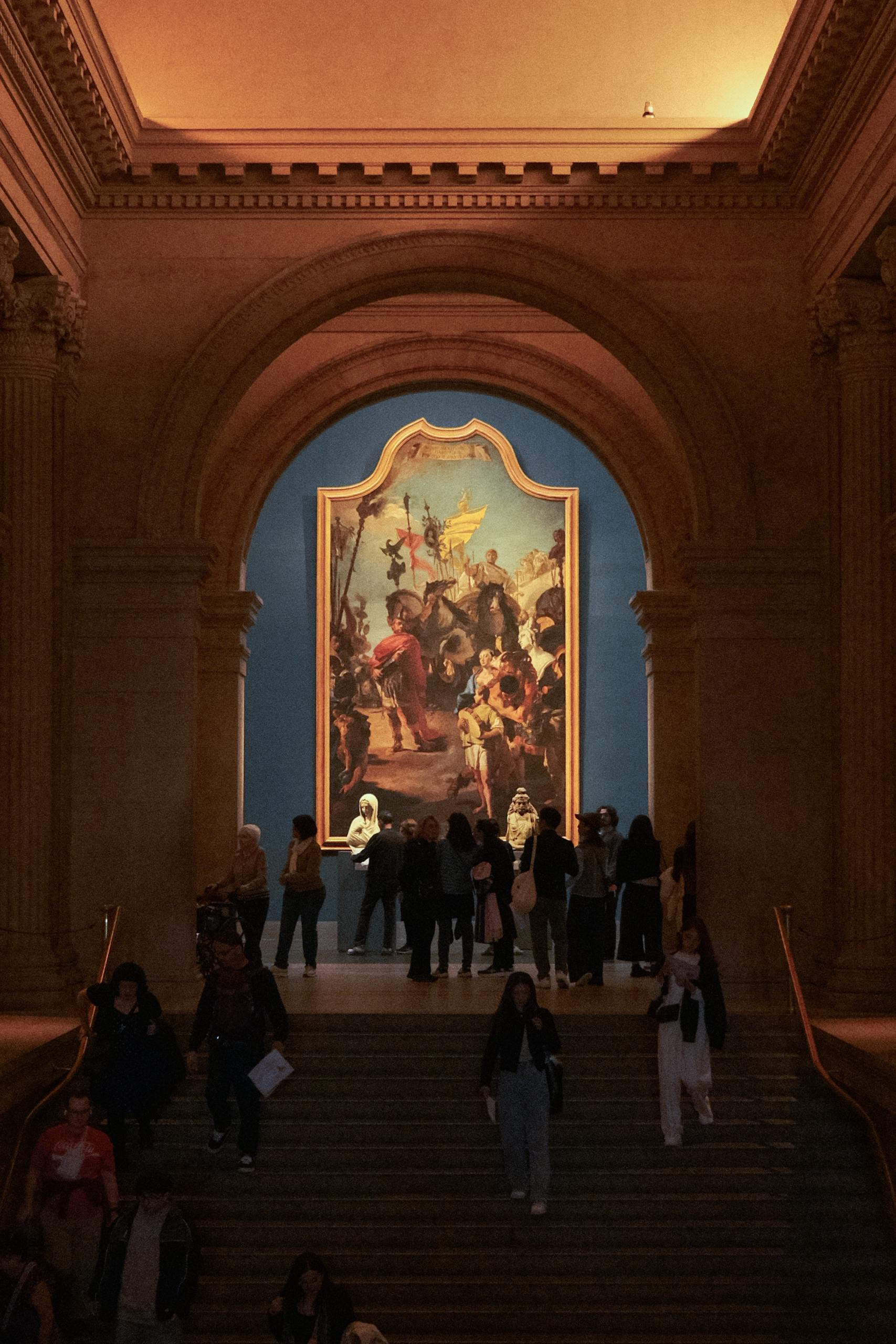
Museum Programs Designed for Older Adults: A Guide to Getting More from Your Visit
The museum visit of a generation ago was a fairly passive experience: you walked in, looked at things in glass cases, read placards, and left. Today’s museums are something quite different. Across the country, major institutions have invested heavily in programs specifically designed for older adults — and the results have transformed what a museum visit can mean for people in their 60s, 70s, 80s, and beyond.
Why Museums Have Embraced Older Audiences
Adults over 50 represent a significant portion of museum visitation, and institutions have recognized that designing programs for older audiences — including those with hearing loss, vision impairment, or cognitive changes — expands their community, builds loyalty, and fulfills their educational mission. What started as accommodation has evolved into innovation: museums are now developing immersive, multi-sensory, and socially rich experiences that often exceed what is available to general visitors.
Types of Senior-Specific Museum Programs
Early Morning Member Hours
Many major museums offer quieter, less crowded access during early morning hours for members and, increasingly, for senior visitors. No school groups, no crowds, better sight lines, more room to breathe. The unhurried atmosphere changes how you experience art. You can spend 20 minutes with a single painting. You can sit.
Check with your local museum about senior membership options — many offer discounted rates for adults over 62 or 65, and the benefits often include these quiet access hours.
Docent-Led Tours for Older Adults
Standard museum tours are often designed for mixed audiences and move at a pace that can be difficult for older visitors. Senior-specific docent tours move more slowly, include more context, allow more questions, and are often more conversational in format.
A knowledgeable, enthusiastic guide turns a collection of objects into a living story. If you have not experienced a docent-led tour of a museum you think you know, you may be surprised by how much you missed. Many museums offer these tours free with admission or membership.
Programs for People with Dementia and Memory Loss
This is perhaps the most significant development in senior museum programming over the past two decades. The Museum of Modern Art (MoMA) in New York pioneered the “Meet Me at MoMA” program in 2006, designed specifically for people with Alzheimer’s disease and their caregivers. The program became a national model, and versions of it now exist at institutions across the country.
These programs are typically offered free of charge. They involve small groups, conversational engagement with artworks, and a focus on emotional and sensory experience rather than factual knowledge. Research shows participants exhibit increased engagement, reduced anxiety, and improved mood that often persists for hours or days after the visit.
Touch Tours and Tactile Experiences
For visitors with visual impairment, touch tours allow participants to handle replicas, casts, or — in some cases — actual objects from the collection. Many museums are also developing tactile reproductions of famous paintings — three-dimensional relief versions that convey composition, texture, and form through touch. Contact your museum’s accessibility department to ask about available tactile programs.
Art-Making Workshops
Many museums now offer studio workshops in which participants respond to the collection by making their own art. These might involve sketching in the galleries, working in a studio adjacent to a specific exhibition, or taking materials home after a guided session. For older adults who paint, draw, or make collage, these workshops offer the experience of creating in direct dialogue with great art.
Making the Most of a General Museum Visit
Go Small and Go Slow
The single most common museum mistake is trying to see too much. Choose a number — three, five, ten — and stick to it. See five paintings with full attention. Read every placard. Sit down in front of something that interests you and spend five minutes just looking. You will leave with more than if you had rushed through fifty rooms.
Use the Audio Guide (or Download the App)
Museum audio guides have improved dramatically. The best ones now offer interpretive commentary, artist interviews, conservation stories, and historical context. If you struggle with hearing in noisy environments, ask about loop-compatible audio devices or wireless headphone systems — many museums now offer these.
Come Back
A membership that allows unlimited visits transforms how you experience a collection. Instead of pressure to see everything, you can come back Thursday to see the Impressionist galleries, and again next month for the new photography exhibition. The collection becomes familiar, like books on a shelf you return to again and again.
Notable Programs Worth Knowing About
- MoMA’s Alzheimer’s Project (New York): The original model for dementia-friendly museum programming, now offered at over 1,000 partner institutions worldwide.
- The Met’s Access Programs (New York): One of the most comprehensive accessibility offerings in the country, including programs for visitors with visual, hearing, and cognitive differences.
- The Art Institute of Chicago’s Art Access Program: Offers adapted tours, touch programs, and services for visitors with a wide range of needs.
- The Smithsonian’s programs: Various Smithsonian museums offer programs for older adults, including the National Gallery of Art’s accessibility tours.
Volunteering at Museums
One of the most meaningful ways to deepen your relationship with a museum is to become a volunteer. Museum volunteers serve as docents, gallery educators, event hosts, collection assistants, and community liaisons. The training alone — typically offered over several months — is an education in itself.
Volunteering offers structured learning, social connection, and a sense of purpose. It also gives you access to the institution in ways that a regular visitor never experiences: behind-the-scenes tours, relationships with curators, and the satisfaction of helping others discover what you love.
A great museum visit is less about how much you see and more about how deeply you look. Give yourself the time and the programs to look deeply. The rewards are lasting.