





Arts and Culture Pillar Hub: A Guide to Meaningful Engagement After 50
Welcome to the Arts and Culture pillar hub. This guide explores how engaging with the arts after 50 can lead to a richer, more meaningful life. Whether it’s visiting museums, attending the theater, or picking up a paintbrush yourself, the arts offer endless opportunities for growth.
Why Arts and Culture Matter After 50
Engagement with cultural activities is not just a hobby; it’s a pathway to cognitive health, social connection, and personal fulfillment. Research consistently shows that regular engagement with the arts is associated with higher life satisfaction and better cognitive function in later life. It provides a unique space for self-expression and intellectual stimulation that evolves with you.
Explore the Major Domains of Cultural Life
A rich cultural life is built by developing depth in several key areas. From the visual arts to live performance, each domain offers unique rewards:
- The Visual Arts: Moving from passive viewing to active looking, understanding techniques, and even starting your own collection.
- Music: Developing a relationship with classical, jazz, and opera through attentive listening and attending live concerts.
- Literature: Finding meaning in the great works that articulate the human condition and participating in deep-dive literary discussions.
- Live Performance: Experiencing the ephemeral magic of theater, dance, and local performances in real-time.
- Architecture & Design: Learning to “read” the built environment and appreciating the history behind the structures we inhabit.
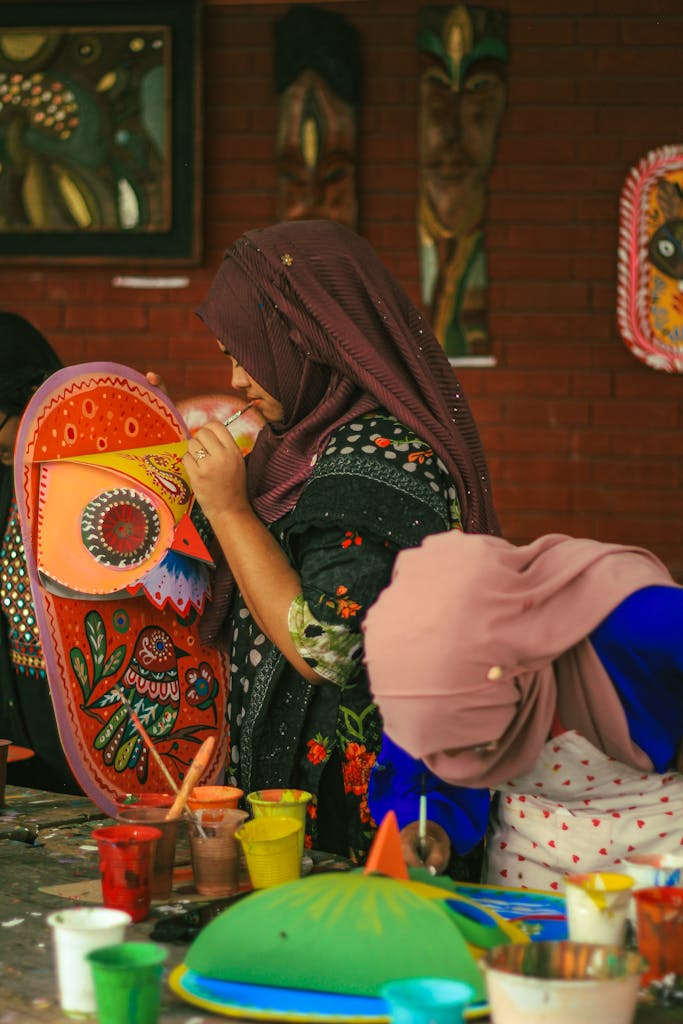
- Creative Practice: Engaging directly in the creative process through painting, writing, or crafting to unlock new perspectives.
Related Articles & Guides
Dive deeper into specific cultural practices with our latest articles:
- Arts & Culture After 50: Your Complete Guide
- How to Get More From Every Museum Visit
- The Serious Listener’s Guide to Classical Music and Opera
- Collecting Art After 50: A Guide to Building a Collection
- Writing Your Story: Starting a Serious Writing Practice
Frequently Asked Questions
How can I start engaging with the arts if I’m not an “artist”?
Engagement starts with curiosity. Visiting local galleries, attending community theater, or joining a book club are great low-pressure ways to begin. You don’t need to be a creator to be a deeply engaged participant.
Are there health benefits to cultural engagement?
Yes, studies show that active engagement in the arts can improve cognitive resilience, reduce stress, and enhance overall emotional well-being by fostering neural plasticity.
How do I find local cultural events?
Check local community centers, museum newsletters, and city event calendars for exhibitions, performances, and workshops tailored for adults.
Building Your Cultural Infrastructure
A cultural life is built through deliberate structure. Consider museum memberships, concert subscriptions, or joining a dedicated book group to make your engagement consistent and social. Community is a multiplying factor that turns individual consumption into a shared, life-enhancing experience.
The Lasting Benefits of Cultural Engagement
Beyond simple entertainment, cultural engagement offers profound long-term benefits. It acts as a powerful tool for cognitive resilience, keeping the mind sharp and curious. Socially, it provides a shared language and common ground for building deep, meaningful connections with others. Ultimately, immersing yourself in the arts provides a sense of purpose and a way to navigate life’s transitions with grace and intellectual vitality.
Supporting Resources
A rich cultural life is enhanced by overall well-being. Explore these related hubs to further enrich your second act:
- Life and Transition Hub – Align your cultural engagement with your evolving personal identity.
- Relationships Reimagined Hub – Find community and connection through shared cultural experiences.
- Travel & Thrive Hub – Expand your cultural horizons through intentional global exploration.