





Cultural Travel After 50: How to Experience a Place Through Its Art, History, and Living Traditions
The difference between traveling as a tourist and traveling as a cultural participant is not a matter of itinerary length or expense — it is a matter of orientation. The tourist moves through a place collecting experiences, checking sites, accumulating photographs of the famous things. The cultural traveler arrives with genuine questions about a place and its people, uses art and history and performance and food as lenses for understanding something real, and leaves with knowledge and relationships that the checklist approach doesn’t produce.
Cultural travel, done well, is among the most intellectually and emotionally sustaining things a person can do with time and money. It is also, for people over 50 who have developed the taste and patience for depth over breadth, the form of travel that produces the most durable memories and the most significant changes in how you see the world.
The Preparation That Makes All the Difference
The single variable that most distinguishes memorable cultural travel from superficial cultural travel is preparation — specifically, the reading and thinking done before departure. The visitor to Florence who arrives having read Ross King’s Brunelleschi’s Dome, a narrative account of the construction of the cathedral that is also a portrait of Renaissance Florence in the early 15th century, walks through that city in a different state of attention than the visitor who arrives with a guidebook. The visitor to Athens who has read a good account of classical Greece and spent time with its art at home encounters the Parthenon with a prior relationship; the visitor who arrives cold encounters an impressive ruin.
This is not about demonstrating knowledge or performing erudition — it is about the purely practical reality that prepared attention sees more and feels more than unprepared attention. The brain recognizes what it has been primed to recognize; the eye notices what it has been given a framework to organize. Two hours of reading before a trip multiplies the value of a day in the destination in ways that no amount of additional days in the destination can replicate.
Good preparation sources: narrative history and memoir that places a destination in living context (as opposed to purely informational travel guides); art history organized around specific periods and places you’ll be visiting; travel writing by writers who engaged seriously with a place (Jan Morris on Venice, Lawrence Durrell on Greece, Peter Mayle on Provence — flawed in various ways, but written with genuine engagement). The criterion is not factual comprehensiveness but genuine intellectual engagement that makes the destination feel real and specific before you arrive.
The Slow Travel Principle Applied to Culture
Slow travel — staying longer in fewer places rather than moving quickly through many — is especially valuable for cultural travel because cultural depth requires time that hurried itineraries don’t permit. The visitor who spends a week in one city can return to a museum or gallery multiple times, can attend a performance, can develop a relationship with a neighborhood, can begin to understand the local rhythm of daily life in ways that three days en route to somewhere else never allow. The return visit to a work you encountered earlier in the week, with a day’s reflection in between, is a different experience from the single encounter.
For cultural travelers over 50, the question of how long to spend somewhere has a clear answer: long enough to go back. Long enough to have a regular café and a neighborhood walk. Long enough that the city starts to feel like somewhere you’re in rather than somewhere you’re passing through. That threshold is typically at least five days, often a week, and ideally longer for places of genuine depth.
The Great Repositories: Planning Around World-Class Collections
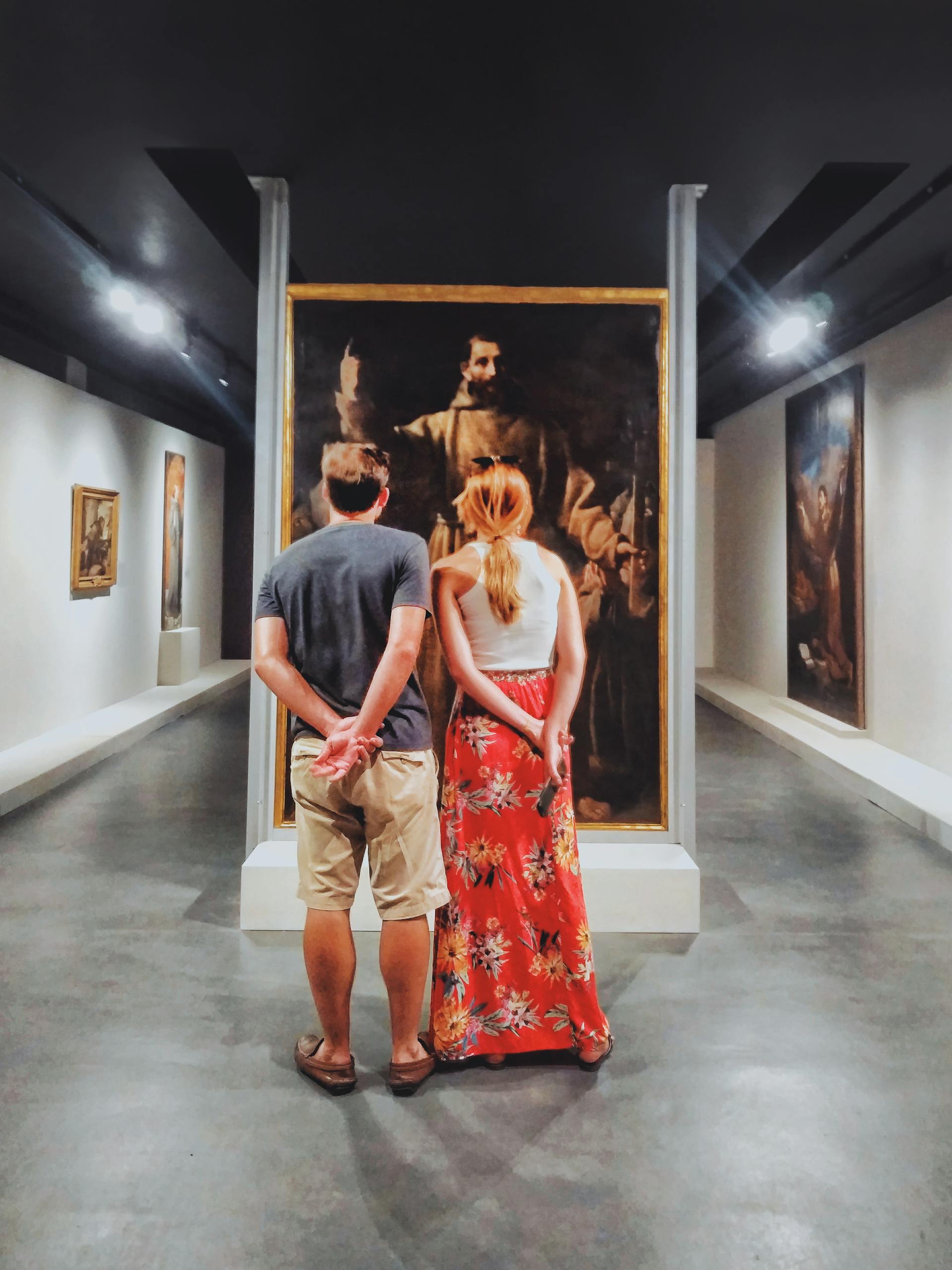
Some destinations warrant planning a trip around a specific cultural encounter — a collection, a building, a festival — that cannot be found anywhere else. The Prado in Madrid, the Uffizi in Florence, the Rijksmuseum in Amsterdam, the Hermitage in St. Petersburg, the British Museum in London: these are not tourist checkboxes but living collections of extraordinary depth that reward multiple visits over a lifetime. Planning a trip around a genuine engagement with one major collection — spending three mornings in the Prado rather than one rushed afternoon — produces a travel experience of lasting value.
Major cultural festivals warrant the same consideration: the Edinburgh International Festival in August, the Spoleto Festival dei Due Mondi in Italy, the Salzburg Festival for classical music, the Venice Biennale for contemporary art. These are not tourist spectacles but genuine concentrations of serious cultural work, and attending them as a participant rather than a passer-through — buying tickets in advance, reading the programs, attending multiple events — produces the kind of cultural immersion that transforms a trip into an experience you continue to draw on for years.
Engaging With Living Culture, Not Just Historic Culture
The temptation of cultural travel is to focus entirely on the historic — the museums, the monuments, the centuries-old traditions — while missing the living culture happening alongside it. Contemporary art galleries, performance venues presenting current work, neighborhood food markets, local film screenings, literary cafés and independent bookshops: these are where the current cultural life of a city is concentrated, and engaging with them alongside the historic provides a more complete and honest picture of what a place is.
The specific practice that opens living culture most reliably: going where locals go rather than where tourists are directed. This requires research — asking hotel staff, looking at local listings websites, consulting current residents through Airbnb or expat forums — but the discovery of a neighborhood gallery opening, a local jazz club, or a small festival that isn’t in any guidebook often produces the most memorable moments of a trip.
Related Articles
- Cultural Travel for Seniors: Planning Arts-Focused Trips That Go Beyond Tourism
- Building Your Cultural Community: How to Find Your People in the Arts After 50
- Adult Stepchildren: Why This Is the Hardest Relationship in Any Blended Family — and How to Navigate It
- Cultural Immersion Travel: How to Go Beyond the Tourist Trail