





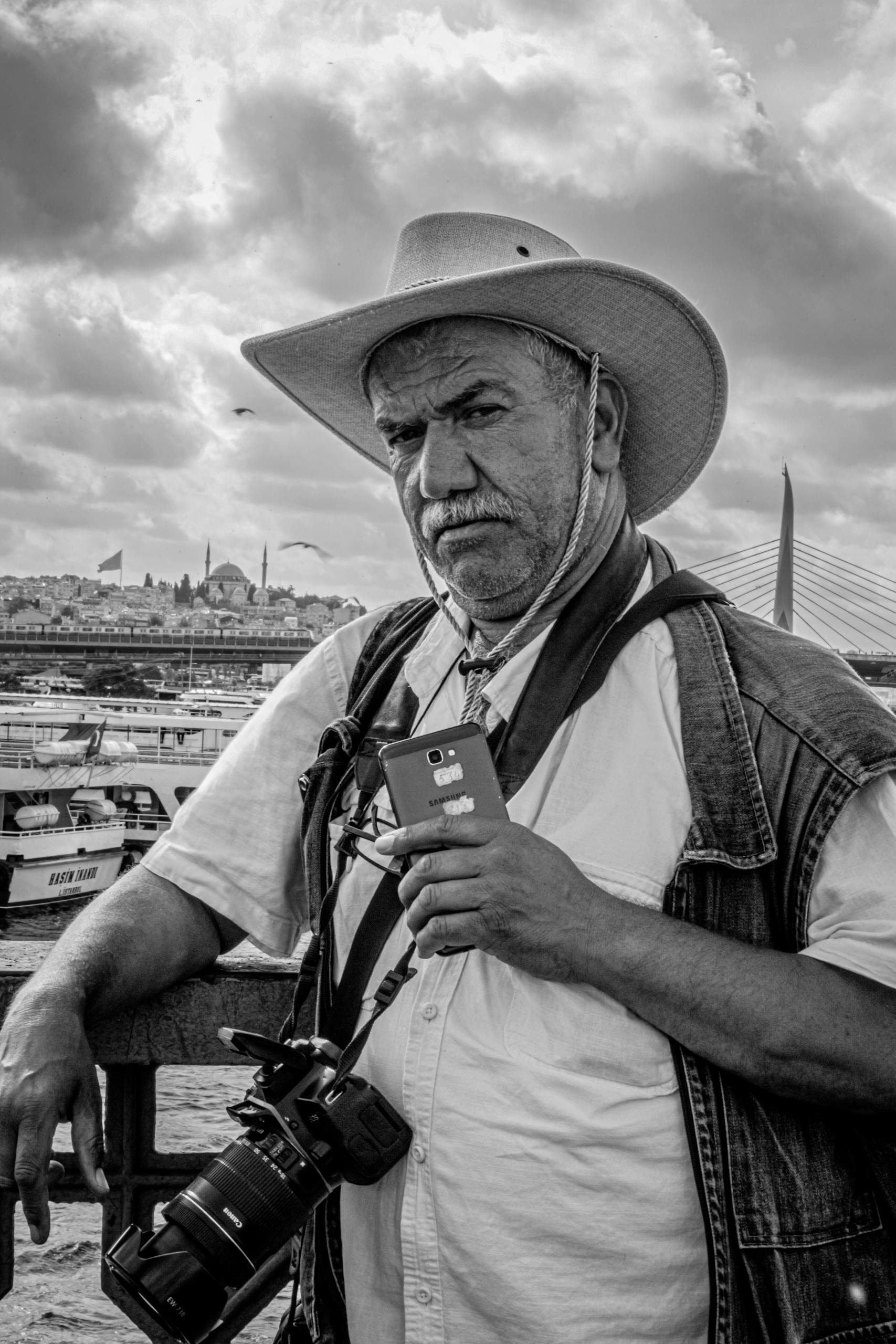
Photography for Older Adults: How to Start Seeing the World Through a Lens
Photography is, at its heart, about attention. It asks you to slow down, to look carefully, to notice what the hurrying world passes by. A shaft of afternoon light on a kitchen table. The expression on a grandchild’s face in an unguarded moment. The geometry of a fire escape against a pale winter sky. These things exist whether or not you photograph them — but the practice of looking for them changes how you move through the world.
For older adults, photography offers something particularly well-matched to this stage of life: a creative practice that is endlessly portable, requires no physical exertion, rewards patience and observation over speed and reflex, and produces work that can be shared, printed, and given as gifts. And thanks to the smartphone, the barrier to entry has never been lower.
You Already Have a Camera
The camera on a contemporary smartphone is a genuinely excellent photographic instrument. It has a large sensor relative to its size, sophisticated computational photography that handles exposure and focus automatically, and software that can correct for lens distortion and lighting in ways that were impossible even with professional equipment a decade ago.
The most common beginner mistake is assuming that better equipment produces better photographs. It does not. Better seeing produces better photographs. Ansel Adams made his greatest images with equipment that is primitive by today’s standards. Henri Cartier-Bresson shot his entire career on a small film camera. The camera is irrelevant. The eye is everything.
If you already have a smartphone — iPhone, Android, or otherwise — you have everything you need to begin making photographs that will surprise you. Start there before investing in anything else.
When a Dedicated Camera Makes Sense
For those who want to go further, or who find the smartphone limiting in specific ways, a dedicated camera offers real advantages. The most relevant for older adult photographers:
Mirrorless cameras are the current standard for serious photography. They are lighter than traditional DSLRs, have excellent image quality, and offer interchangeable lenses. The Sony Alpha series, Fujifilm X series, and Olympus/OM System cameras are all well-regarded for their image quality and ergonomics. Prices range from around $500 for entry-level bodies to $3,000 or more for professional-grade equipment.
Point-and-shoot cameras offer more control than a smartphone in a simple, pocketable package. They are particularly useful for travel photography. Sony’s RX100 series and Canon’s G-series are consistently recommended.
If you do invest in a dedicated camera, plan to spend time learning to use it — not just the technical controls, but the practice of shooting regularly. A camera that stays in a drawer produces nothing.
Learning to See: The Skills That Matter
Photography is a craft with genuine skills that reward study and practice. A few foundational concepts:
Composition: How you arrange the elements in your frame determines almost everything about whether an image is interesting. The rule of thirds — placing your subject at one of four intersection points on a grid that divides the frame into thirds horizontally and vertically — is the starting point. From there, leading lines, negative space, foreground interest, and framing are all compositional tools worth learning.
Light: Photography is literally “writing with light,” and the quality of light matters more than almost any other factor. The golden hours — the hour after sunrise and the hour before sunset — produce warm, directional light that flatters almost any subject. Overcast days produce soft, even light that is excellent for portraits. Harsh midday sun is the most challenging light to work with. Learning to read light — to see it as a photographer sees it, not just as a fact of the environment — is the most important skill in photography.
Timing: In people photography and street photography, the decisive moment — the fraction of a second when expression, gesture, and composition align — is everything. This is as much about patience and presence as technique.
Editing: Even the greatest photographers edit their work — selecting the best images, then processing them to realize their potential. Apps like Lightroom Mobile (free tier available), Snapseed (free), and VSCO offer powerful editing tools accessible on a smartphone. Learning basic editing — adjusting exposure, contrast, color, and sharpness — is a skill worth investing time in.
Finding Your Subject
Photography is most satisfying when you have a subject that genuinely interests you — a theme or domain that draws you back repeatedly. Some possibilities particularly suited to older adult photographers:
Family documentation: The photography that will matter most to people who come after you is the photography of everyday family life. Not posed holiday photographs, but the ordinary moments: grandchildren at play, family meals, the small rituals of daily life. This work requires nothing but presence and a camera.
Travel photography: Photography and travel are natural companions. Having a photographic project — a series of images from a specific trip or region — gives travel an additional dimension of purpose and attention.
Nature and landscape: Birds, flowers, coastal light, autumn color — natural subjects are endlessly patient, require no permission to photograph, and reward the early riser and the careful observer. Macro photography (close-up images of small subjects) is particularly accessible, requiring minimal mobility and producing dramatically beautiful results.
Street and documentary photography: The practice of photographing the human world — markets, neighborhoods, public life — has a long and distinguished tradition. It requires confidence and discretion, but produces images with historical and human significance.
Community and Sharing
Photography is more rewarding when shared. Camera clubs and photography groups exist in virtually every mid-sized city, often meeting monthly to share work, critique each other’s images, and organize group outings. These communities tend to be warm, enthusiastic, and actively welcoming to beginners.
Online platforms — Instagram, Flickr, 500px — allow you to share work with a global audience and receive feedback. For those interested in printing, services like Artifact Uprising and Mpix offer high-quality prints and photobooks that transform digital images into physical objects worth keeping.
Photography at its best is an act of love — for the world, for the people in it, for the light that moves through it. Every photograph you make is an act of attention. Begin paying that attention, and the world will show you what you have been walking past all along.
Related Articles
- Photography as a Creative Practice After 50: Seeing More Carefully, Living More Attentively
- Pottery and Ceramics for Older Adults: Finding Your Hands in Clay
- Yours, Mine, and Ours: Building a New Family Identity Without Erasing the Old One
- Dating Again After 50: How to Re-enter the Relational World With Clarity and Confidence
[…] Photography for Older Adults: How to Start Seeing the World Through a Lens […]
[…] Photography for Older Adults: How to Start Seeing the World Through a Lens […]