





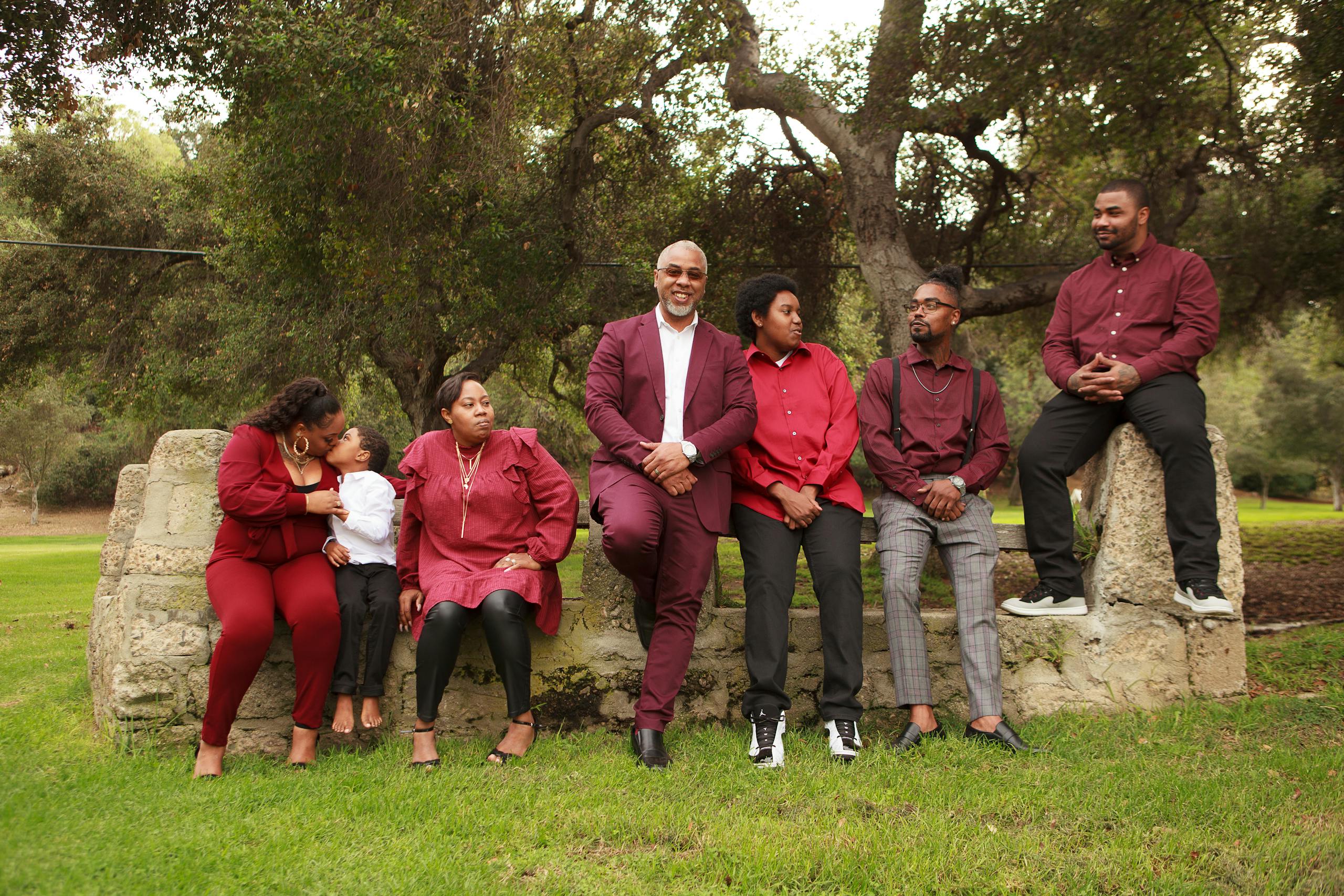
Yours, Mine, and Ours: Building a New Family Identity Without Erasing the Old One
Every family has an identity — a sense of who they are, what they value, how they do things, what makes them distinctively themselves. This identity is built over decades: the shared stories and inside jokes, the holiday foods that are non-negotiable, the way humor works at the dinner table, the places that feel like home in the deepest sense. It is not superficial. It is the accumulated expression of a family’s life together.
When two families blend, two of these identities are suddenly in the same room. Neither is wrong. Neither is superior. And both, in the experience of the people who have always belonged to them, feel like simply the way things are — the baseline against which everything new is unconsciously measured and found slightly off.
The challenge of building a blended family identity is not to choose which old identity survives, but to create something new that genuinely incorporates both — while allowing each family’s distinct culture to remain honored and alive.
Why “One Big Happy Family” Usually Fails
The impulse to declare a unified blended family, to insist that everyone is now simply family, is understandable and genuinely well-meaning. It almost always produces the opposite of what it intends. When a new family identity is declared rather than built — when the couple announces that “this is our family now” before the family relationships have had time to actually form — the people being declared family experience it as pressure and erasure rather than inclusion.
Adult children who are told that the new partner is “part of the family now” before they have any real relationship with that person feel that their definition of family is being overridden by someone else’s decision. The new family identity arrives by decree rather than by lived experience, and it does not take root.
A blended family identity has to be grown, not announced. It grows through shared experiences, through the gradual accumulation of positive associations, through the development of genuine relationships between the people involved. This takes time — years, not weeks — and it cannot be accelerated through insistence.
Honoring What Was
One of the most common mistakes blended families make is treating the old family identities as problems to be solved rather than histories to be honored. The new partner who subtly diminishes the traditions, stories, or habits of the previous family — who suggests that the family could try doing things differently now, who is bored by stories from before they arrived — is communicating something that feels like rejection of the family’s past, even if that is not the intention.
Honoring what was does not require pretending to be equally emotionally invested in a history you did not share. It requires genuine respect — the recognition that these stories, these traditions, these ways of doing things are part of who the people you love are, and that dismissing them dismisses a part of them.
This is especially true when a spouse or parent has died. A new partner who enters a family that has lost a member faces the particular challenge of building a relationship with people who are still in some dimension of grief, and whose family identity is partly built around the person who is gone. Making space for that person’s memory — not competing with it, not trying to replace it, simply allowing it to be part of the family’s story — is an act of profound generosity that is almost always recognized and reciprocated.
Building the “Ours”
The new shared identity does not emerge from the past. It emerges from the present and future — from the experiences that the blended family creates together, the memories that are everyone’s rather than belonging to one side or the other.
Some ways this identity gets built:
A new shared event or tradition that did not exist before. Not a modification of something one side already did, but something genuinely new — a trip the whole family takes, a game night that is everyone’s, a tradition invented from scratch. These are the earliest moments of a shared family culture, and they carry disproportionate weight because they belong equally to everyone.
Telling the story of the couple in a way that includes the families. How you met, what drew you together, what you found in each other — when this story is told openly and warmly to both sides of the family, it humanizes the relationship and creates a shared narrative rather than leaving each side to construct their own interpretation.
Allowing the identity to be loose and undemanding. A blended family does not need a coherent group identity in the way a nuclear family might. It can be a looser affiliation — a network of people connected through love for specific individuals, with varying degrees of closeness to each other — and this form is no less real or valuable. Not every member needs to feel the same way about the family, and not every relationship needs to reach the same depth.
The Identity That Belongs to No One Yet
There is something genuinely exciting about the early years of a blended family’s life together, even amid the difficulty: the identity that will eventually emerge is not yet written. It has no established hierarchy, no calcified resentment, no tradition so entrenched that questioning it produces a family crisis. The slate is as blank as it ever gets for adults.
What you build in these years — the values you model, the effort you make, the generosity you extend toward each other’s histories — is the foundation of a family identity that will eventually be entirely its own. It will look like neither of what came before. It will be what you made together.
Related Articles
- Starting Over Together: What Blended Families Really Look Like After 50
- When Adult Children Don’t Approve: Setting Boundaries While Keeping the Peace
- The Fear of Marriage When You Have Assets: Protecting Yourself Without Losing Love
- The Ex Factor: Managing Your Relationship with Former Spouses in a Blended Family
[…] Yours, Mine, and Ours: Building a New Family Identity Without Erasing the Old One […]
[…] Yours, Mine, and Ours: Building a New Family Identity Without Erasing the Old One […]
[…] Yours, Mine, and Ours: Building a New Family Identity Without Erasing the Old One […]
[…] Yours, Mine, and Ours: Building a New Family Identity Without Erasing the Old One […]
[…] Yours, Mine, and Ours: Building a New Family Identity Without Erasing the Old One […]
[…] Yours, Mine, and Ours: Building a New Family Identity Without Erasing the Old One […]