





Photography as a Creative Practice After 50: Seeing More Carefully, Living More Attentively
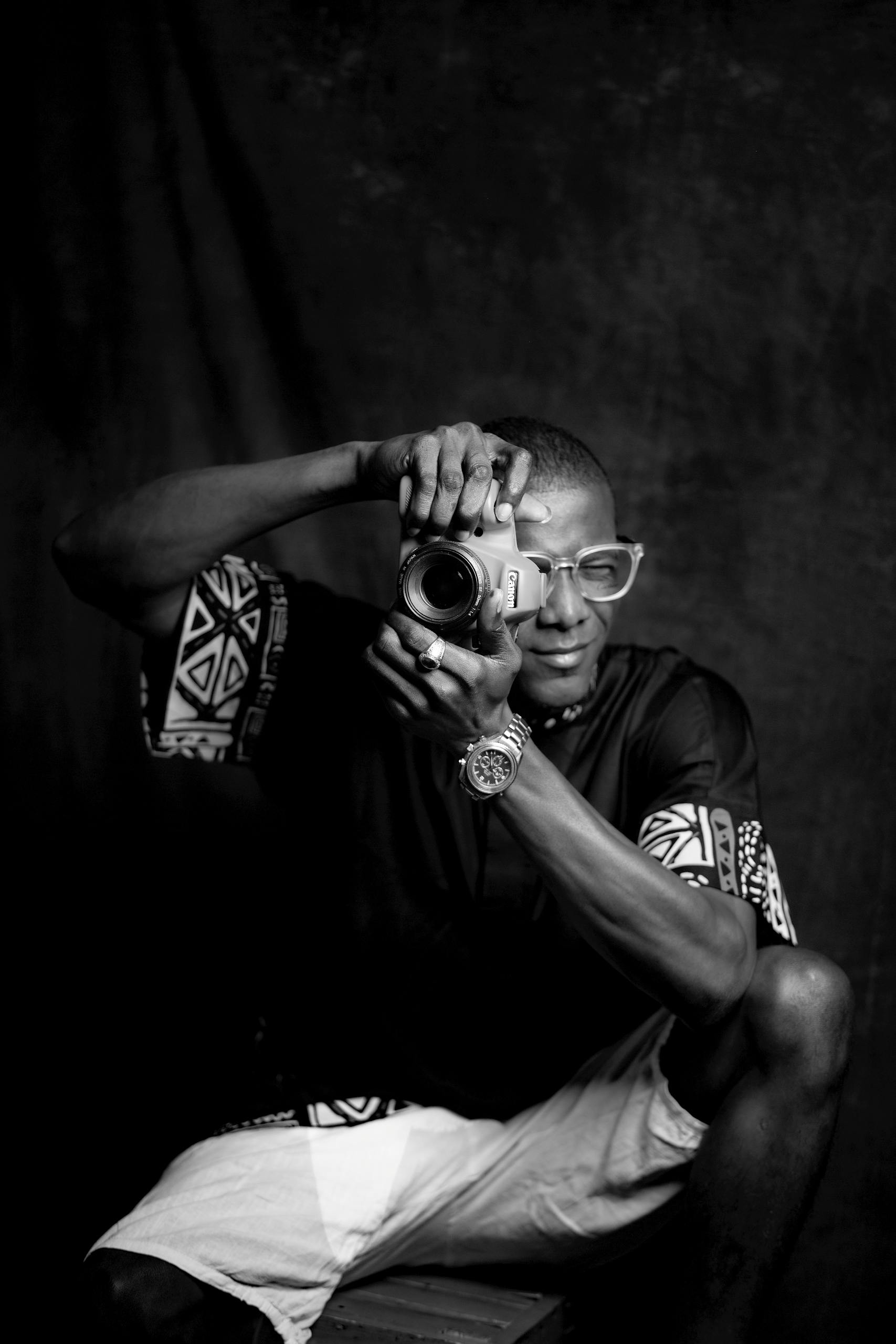
Photography occupies a unique position among creative practices because it sits directly at the intersection of making art and paying attention to the world. Unlike painting or writing, which begin with a blank surface and require the practitioner to generate content from imagination or memory, photography begins with the world as it actually is — and asks the photographer to find, within it, what is worth looking at and how it should be framed. This makes photography simultaneously a creative practice and a discipline of attention: learning to photograph well is largely identical with learning to see well.
For people over 50 — who have the life experience to recognize what is worth attending to and the patience to wait for the right moment — photography offers a creative practice that deepens with accumulated experience and wisdom in ways that technically demanding art forms sometimes don’t. The great photographers whose work endures into late career are frequently those whose vision has deepened and clarified with age rather than narrowed.
The Equipment Question: Less Than You Think
Photography culture has a well-known equipment obsession, and beginning photographers are frequently led to believe that the limitation on their work is their gear. This is almost never true. The camera in most contemporary smartphones is technically capable of making images that, in terms of resolution, dynamic range, and sharpness, exceed what professionals worked with twenty years ago. The limitation on the quality of photographic work is almost always the eye of the photographer — the ability to see what is worth photographing and to frame it well — not the technical capabilities of the camera.
A serious mirrorless or DSLR camera with one or two good lenses provides genuine creative advantages over a smartphone: better low-light performance, more control over depth of field, the ability to capture fast movement without blur, and the tactile engagement of manual controls that many photographers find conducive to the kind of deliberate attention that produces good work. But the appropriate entry point is wherever you are — starting with whatever camera you have and developing the seeing before investing in equipment.
Learning to See: The Core Skill
The visual skills that constitute good photography — an eye for light, composition, the decisive moment, the way a frame can isolate and clarify what ordinary perception takes for granted — are learnable. They develop through looking at a great deal of excellent photography (something the internet makes extraordinarily accessible) and through the practice of shooting regularly with genuine attention to what you’re doing rather than casually documenting occasions.
The exercise that most photography educators recommend for developing these skills: spend time with the work of photographers whose vision you admire and ask specific questions about how they achieved what they achieved. Where is the light coming from? What is in focus and what isn’t? Where is the horizon in the frame? What is included and excluded at the edges? These are learnable principles — they are not magic or talent, they are craft choices — and studying how skilled photographers make them builds the visual vocabulary that makes your own choices more intentional.
Specific photographers worth studying for different aspects of visual excellence: Henri Cartier-Bresson for the decisive moment and street photography; Dorothea Lange and Walker Evans for documentary photography with humanist depth; Ansel Adams for the relationship between technical mastery and landscape vision; Vivian Maier for the intimacy of street portraiture; Irving Penn for studio portraiture that reveals rather than flatters. Each of these bodies of work teaches something specific about how photographs work.
Photography as a Travel Practice
Photography and travel interact in a relationship that is worth being deliberate about, because the camera can either enhance the experience of a place or substitute for it. The photographer who arrives at a remarkable scene and immediately starts shooting without first simply looking — without sitting with the light, the movement, the specific quality of the moment — is using photography to document rather than to engage. The photographer who looks first, decides what is actually interesting and why, and then makes deliberate choices about how to capture it is using photography to deepen attention.
A specific practice that many travel photographers find valuable: spend the first hour in any new place without the camera. Look at everything. Note what draws your attention and why. Then return with the camera having already done the seeing, and use the photography to capture what you’ve already found rather than searching for it while shooting.
Building a Body of Work
Photography as a casual practice — shooting occasionally, sharing on social media, rarely reviewing the archive — produces pleasure but rarely produces the deeper satisfaction of a developed creative practice. Building a body of work — a coherent project with a clear subject, made over time with consistent vision — transforms photography from documentation into art-making. The project doesn’t need to be ambitious: a year of photographing your neighborhood in all seasons; a systematic study of light at different hours in one location; portraits of people who share a specific experience or occupation. The constraint of a focused subject forces creative decisions that casual photography avoids, and the cumulative result — a collection of images that cohere around a genuine vision — is more satisfying than any equivalent number of individual shots.