





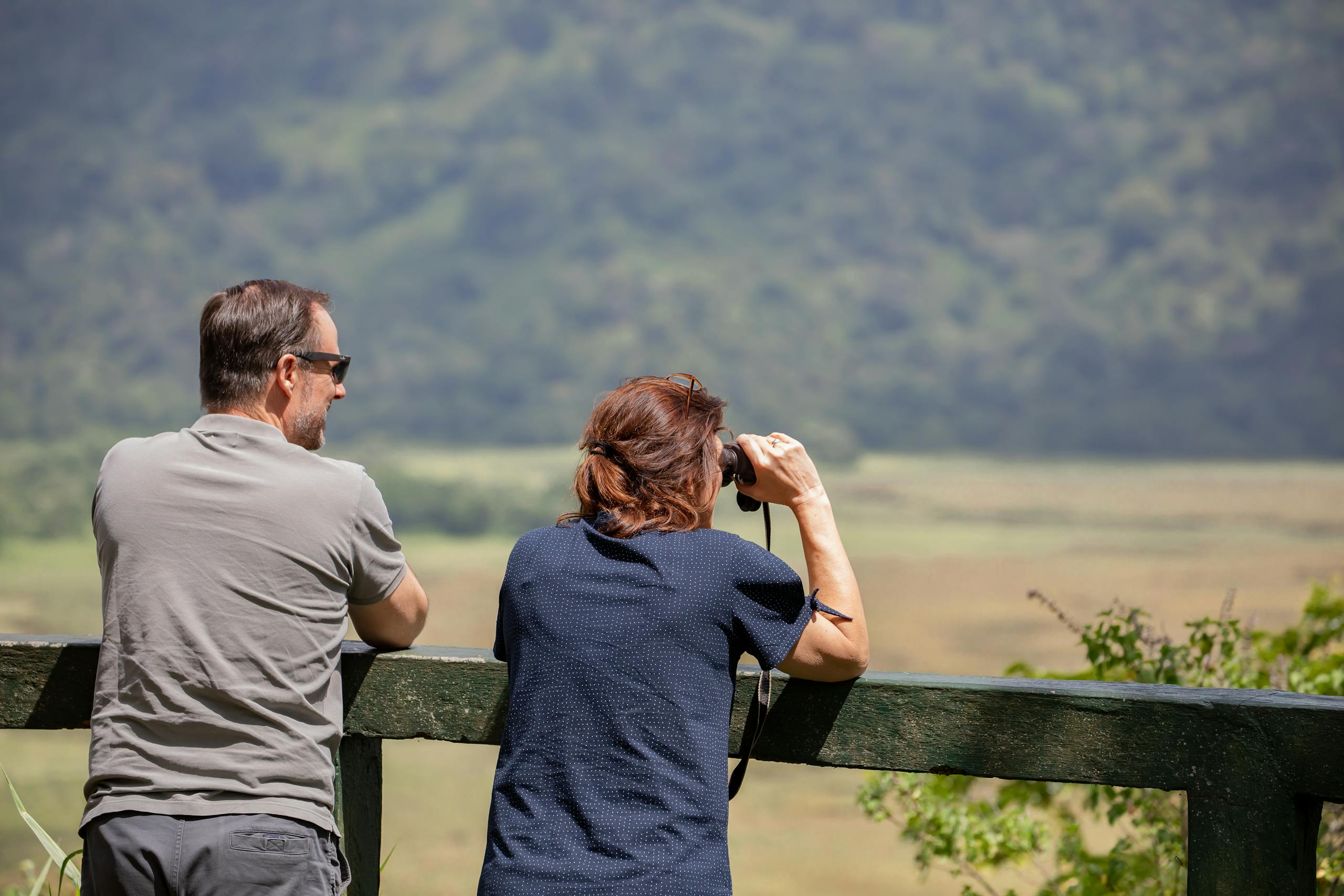
Tourist in Your Own Backyard: How to Discover the Extraordinary Places Near Home
There is a particular kind of embarrassment that travelers sometimes experience: standing in a place that draws visitors from around the world, realizing they have never been there despite living an hour away for twenty years. The covered bridges of Madison County. The fall foliage drive along a state highway forty miles from home. The historic downtown of a small city that travel writers consistently praise, which locals treat as unremarkable because it is familiar — except that they have never actually gone.
Proximity breeds invisibility. The things closest to us are the ones we most reliably fail to see, because availability removes urgency. There will always be time to visit. Except that there often isn’t — or rather, there is time, but it is never converted into the actual trip.
The practice of deliberately exploring your own region — approaching it with the curiosity and intention you would bring to a foreign country — is one of the richest and most accessible forms of short travel available. Here is how to do it.
The 30-60-120 Radius
A useful framework for regional exploration is to think in concentric circles: what is within 30 minutes of home, within 60 minutes, and within 120 minutes? Each radius contains a different category of day trip possibility, and mapping them systematically reveals a world of options most people have never fully considered.
The 30-minute radius is your immediate territory — the places you could visit on a weekday morning and be home for lunch. This might include local nature reserves, smaller cultural institutions, neighborhood markets, state historic sites, or the older sections of nearby towns that you have passed through but never stopped to explore. These are your easiest and most spontaneous options — the ones that the ready day bag makes possible on virtually any open morning.
The 60-minute radius is ideal for full day trips. A city, town, or natural area an hour away justifies a full day of exploration: arriving midmorning, spending the afternoon, having dinner, and returning in the evening comfortably. This is where most of your best regional day trips will live.
The 120-minute radius is your overnight territory — far enough that a day trip is possible but slightly rushed, more comfortable with a single night’s stay. This is where the always-ready overnight bag earns its keep: the decision to stay over, made spontaneously because the day has been wonderful and you are not ready to leave, requires nothing but a call to a local inn and the bag already in the car.
How to Research What’s Near You
The best tool for regional discovery is often the simplest: Google Maps in satellite view, centered on your home, zoomed to your chosen radius. Pan slowly around the circle and note everything that catches your eye — bodies of water, parks and green spaces, historic town centers, geographic features. Then research the specific destinations that emerge.
Other excellent research tools for regional exploration:
Your state’s tourism website is an underused resource. State tourism offices compile comprehensive lists of attractions, events, scenic drives, historic sites, and recommended itineraries organized by region. Many have specific “day trip” sections.
Atlas Obscura (atlasobscura.com) catalogs unusual, overlooked, and curious places around the world, with exceptional coverage of regional American destinations. The “roadside attractions, quirky museums, and hidden natural wonders” category reliably surfaces things no conventional travel guide would mention — and they are often among the most memorable stops.
AllTrails (alltrails.com) is the definitive resource for hiking and walking trails within any radius of any location. Filter by difficulty and length to find routes suited to your fitness level and available time.
TripSnearby (tripsnearby.com) is designed specifically for discovering day trip and short getaway destinations near you. Browse by distance from your location and find places that are close enough to visit on a whim — exactly the kind of regional discovery this article describes.
Local food and travel bloggers — people who write about your specific region — often have the most current, specific, and genuinely enthusiastic recommendations. A search for “[your state or region] day trip blog” surfaces writers who have done exactly the work of exploring the nearby world and are eager to share what they found.
Categories of Day Trip Worth Exploring
When surveying your region for day trip potential, it helps to think in categories — types of destination that reward a deliberate visit:
Small cities and towns with intact historic districts: Many American cities and towns have preserved 19th and early 20th century commercial districts that are genuinely beautiful, walkable, and full of independent shops, restaurants, and galleries. These districts often receive less attention than the most famous destinations in a state but reward exploration enormously. Look for towns listed on the National Register of Historic Places or designated as Main Street communities.
State and national parks and monuments: The U.S. national park system is one of the great public assets in American life — and most of it is undervisited except on peak summer weekends. Visiting on a weekday in shoulder season (spring or fall) often means having remarkable natural landscapes nearly to yourself. State parks, similarly, offer accessible nature at very low cost.
Regional food and drink destinations: Wine regions, craft brewery trails, farm-to-table restaurant destinations, historic food markets, renowned bakeries or farm stands — food as a destination anchor is one of the most reliably pleasurable forms of regional exploration. Many regions have mapped food trails that can be followed over one or several day trips.
Cultural institutions outside major cities: Small and mid-sized cities often have surprisingly excellent museums, galleries, performing arts venues, and cultural organizations. The kind of specialized institution — a museum of a specific art form, a historic house museum of exceptional quality, an independent cinema showing film that never reaches multiplexes — that can make a day trip genuinely memorable is often found in places that don’t attract major tourist attention.
Seasonal events: Fall foliage drives, spring wildflower blooms, summer outdoor concerts, harvest festivals, winter light installations — the calendar of the region around you is full of events that are genuinely worth the drive. Most people know these events exist and attend them rarely. Making a list at the start of each season and scheduling the ones you most want to experience converts passive awareness into actual experience.
The Art of Arriving Without a Full Agenda
One of the pleasures of the regional day trip — especially compared to international travel, where the limited time pressure produces packed itineraries — is the freedom to be somewhat unplanned. You know roughly where you are going and roughly what draws you there. But the specific unfolding of the day can remain open.
The bookstore you notice from the car. The trail marker that suggests a viewpoint not in your research. The farmer selling honey from a card table on the side of the road. The unassuming lunch spot that turns out to serve the best thing you have eaten all month. These encounters, which cannot be planned, are often the moments that make a trip memorable — and they only happen if you have left room for them.
Travel light. Keep the day bag stocked. And let the nearby world surprise you. It almost always will.