





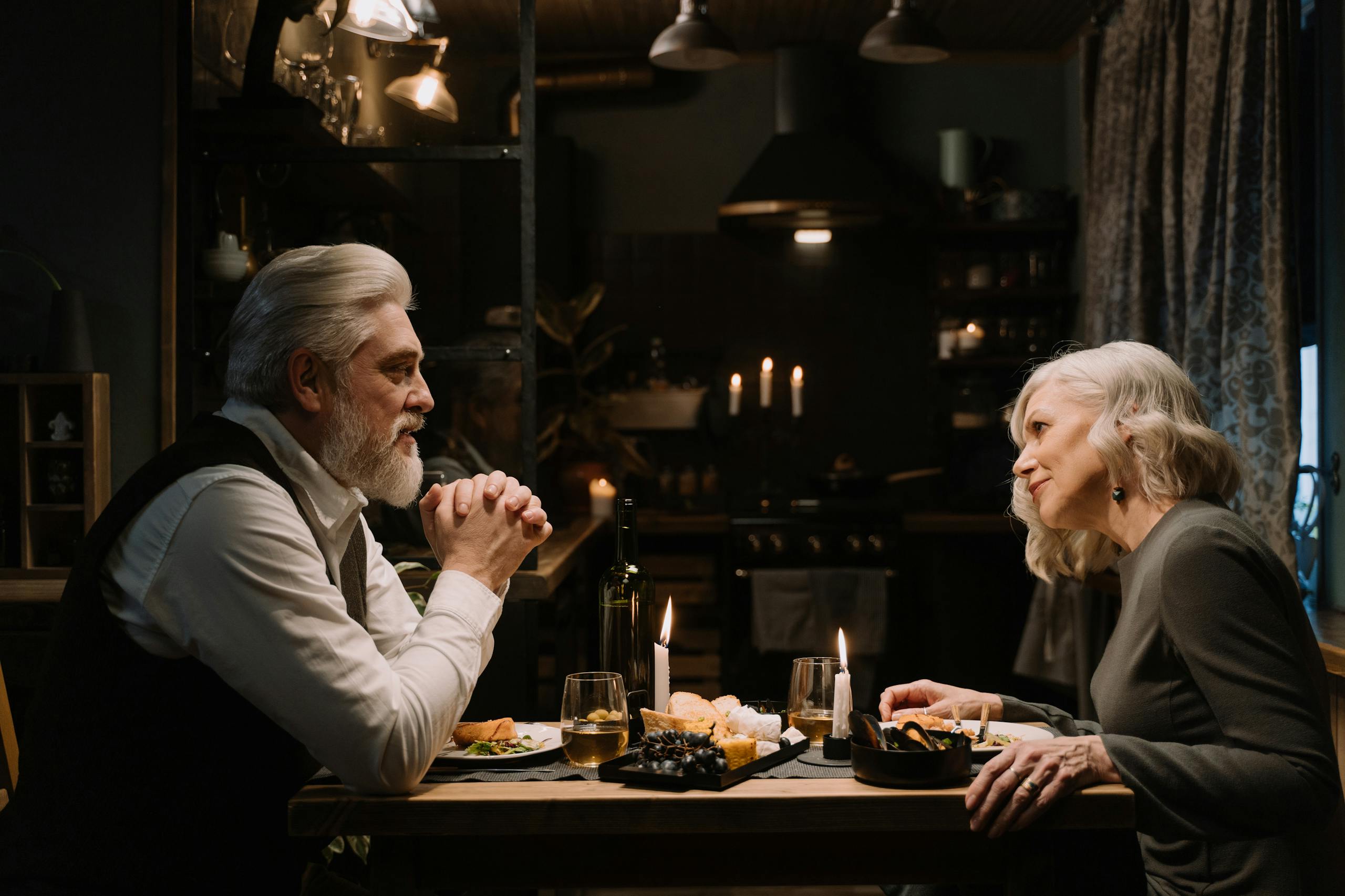
Dating Again After 50: How to Re-enter the Relational World With Clarity and Confidence
Re-entering the dating world after 50 — whether after a gray divorce, the loss of a long-term partner, or simply a long period of not prioritizing romantic connection — is a genuinely different experience from dating at 30. The landscape has changed (online dating now accounts for the majority of how adults over 50 meet romantic partners), the pool of available people has changed, your own needs and tolerances have changed, and the internal experience of putting yourself out there has a texture it didn’t have earlier, when more of life felt provisional and the stakes of any particular outcome seemed lower.
The people who navigate this re-entry most successfully tend to share a few common orientations: a clear sense of what they actually want (not a long checklist, but genuine clarity about the two or three things that are non-negotiable), a willingness to approach the process with patience rather than urgency, and the ability to treat individual encounters with lightness rather than as referendum on their overall desirability or their prospects for finding what they’re looking for.
The Online Dating Reality After 50
Online dating platforms are now the primary infrastructure through which people over 50 meet potential partners, and understanding how to use them well is a practical skill worth developing. The platforms with the largest user bases among adults over 50 include Match.com, eHarmony, OurTime (specifically designed for adults 50+), Silver Singles, and increasingly Hinge, which has grown its older user base substantially. Each has a different culture and matching approach; trying two or three with genuine engagement over a period of months is more productive than committing fully to one.
Profile quality matters more than most people initially realize. The photos and written profile that represent you to potential matches are the first filter through which you’re assessed, and investment in getting them right pays significant dividends. Specific guidance: professional or high-quality recent photos (not photos from ten years ago — the disconnect between profile photos and in-person reality is the single most common complaint from people meeting online connections for the first time); a written profile that communicates specific qualities and specific interests rather than generic positives (everyone “loves to laugh” and “enjoys travel” — the profile that mentions a specific book, a specific place, a specific passion is far more interesting and attracts more compatible people); and honesty about who you are and what you’re looking for.
The First Meeting: Expectations and Safety
The first meeting with someone from an online platform is a screening conversation, not a first date in the traditional sense. Its purpose is to assess whether there is enough genuine chemistry and compatibility to invest further. Treating it as a light, exploratory conversation — coffee or a drink, an hour at most — removes the pressure that turns many first meetings into stiff, resume-reading exercises and allows for the kind of natural assessment that only happens in relaxed conversation.
Safety considerations are real and worth taking seriously without letting them dominate every interaction. Meeting in public places for initial encounters is standard practice and not paranoid. Letting a friend know where you’re going and when to expect to hear from you is a reasonable precaution. Basic background checking — verifying that the person is who they say they are through a Google search or a reverse image search of their photos — takes three minutes and is not an insult to anyone with nothing to hide.
What You’re Actually Assessing
The qualities that are most predictive of long-term relationship compatibility and satisfaction are not the ones most visible in early encounters. Physical attraction is real and not irrelevant, but it can develop over time in ways that many people don’t expect; the person who doesn’t immediately produce a strong physical response is not necessarily incompatible. Character qualities — honesty, warmth, generosity of spirit, the ability to be genuinely interested in another person rather than primarily concerned with their own impression — are visible in the first conversation to anyone who is paying attention to them rather than to conventional attractiveness signals.
The specific questions worth asking yourself after an early encounter: Did I feel comfortable being myself with this person? Did they seem genuinely interested in learning about me, or primarily interested in telling me about themselves? Did they treat service staff, other people in the environment, and me with basic courtesy and respect? Did the time pass easily or was there sustained effort to keep the conversation going? None of these individually are conclusive, but together they provide more useful compatibility information than the conventional first-date autopsy of how they looked and whether they were funny.
Pacing and the Long Game
The urgency that some people bring to post-50 dating — the sense that time is running out, that the pool is limited, that any promising connection should be accelerated and secured — produces the opposite of its intended effect. Relationships that develop under urgency pressure tend to advance past natural stages, establish premature intimacy and commitment before the people involved actually know each other well enough to assess compatibility accurately, and then discover incompatibilities that a slower pace would have surfaced earlier at lower emotional cost. The prescription is patience — not passivity, but the willingness to let a relationship develop at the pace that actually feels natural, which is information in itself about whether you’re genuinely compatible with someone.
Related Articles
- Dating After 50: A Practical Guide to Getting Back Out There
- Love & Connection After 50: Your Complete Guide to Relationships in the Second Half of Life
- Dating with Health Conditions: Navigating Chronic Illness in New Relationships
- Situationships After 50: What They Are, Why They’re Growing, and How to Navigate One Honestly