





Genealogy as a Creative Pursuit: Researching Your Family History as Art and Story
Genealogy has quietly become one of the most popular hobbies in the world, second only to gardening in participation numbers. In the United States, it is the second most-searched topic on the internet. Ancestry.com has over three million paying subscribers. DNA testing companies have collected genetic data from tens of millions of people. Something about the impulse to know where we came from — to trace the thread back through time — speaks to a fundamental human need.
For older adults, that impulse has a particular urgency. You are at the age when you are most conscious of what has been handed down to you — and what will be lost if you do not preserve it. You may be the last person who knows certain stories, certain names, certain details of a life lived a century ago. And you are also, typically, at a point in life where the time and patience required for genealogical research are finally available.
Why Genealogy Belongs in Arts and Culture
Genealogy is often categorized as a hobby or a research project. But at its most ambitious, it is a creative pursuit with genuine artistic dimensions. The family historian who takes raw data — birth certificates, ship manifests, census records, letters, photographs — and shapes it into a coherent narrative is doing the work of a historian and a storyteller simultaneously. The final product — a family history book, a documented family tree, a memoir grounded in ancestral research — is a work of culture as surely as any novel or documentary film.
It is also, often, a profoundly moving experience. Research that begins as an intellectual puzzle frequently becomes something more personal. The great-grandmother who emigrated from Poland at 17 with no English and no family. The ancestor who was enslaved, whose name appears in a slave schedule, whose children dispersed to different states after emancipation. The grandfather who fought in a war he never spoke about, whose service record reveals a history he carried silently. These are not abstract data points. They are lives. And meeting them through research — however partially, however imperfectly — changes how you understand yourself.
Where to Begin
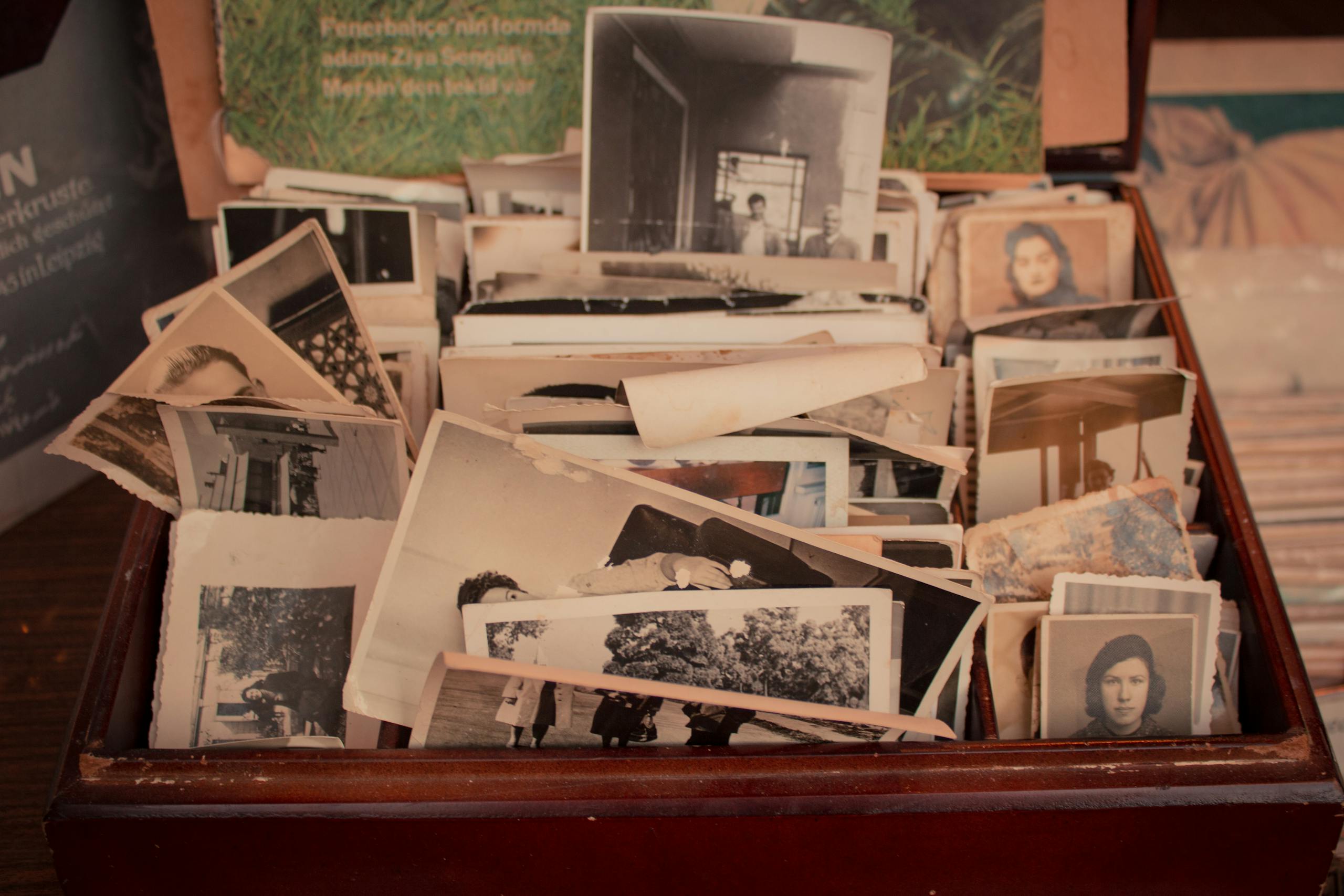
The most important starting point for genealogical research is the easiest and most overlooked: your own family. Before you open a database, talk to the oldest members of your family. Record them — video, audio, written notes — asking about names, places, dates, stories, and memories. Ask them who they remember, and who they were told about. Ask them about photographs: who are these people? When and where was this taken? These conversations, conducted before it is too late, are irreplaceable.
From there, the research moves into records. The major online resources:
Ancestry.com: The largest genealogical database in the world, with billions of records including census data, birth and death certificates, marriage records, immigration records, military records, and user-contributed family trees. Subscription required; free access available through many public libraries.
FamilySearch.org: Maintained by the Church of Jesus Christ of Latter-day Saints, FamilySearch is a free, enormous resource. It includes many of the same record types as Ancestry, with particular strength in international records.
Newspapers.com and GenealogyBank: Digitized historical newspapers are an underused genealogical resource. Birth announcements, obituaries, wedding announcements, and news mentions can add narrative texture that official records cannot provide.
FindAGrave.com: A database of millions of cemetery records, often including photographs of headstones submitted by volunteers. Invaluable for confirming dates and finding family clusters.
DNA Testing: What It Can and Cannot Tell You
Consumer DNA tests from companies like AncestryDNA, 23andMe, and MyHeritage DNA have transformed genealogical research in the past decade. They offer two distinct types of information: ethnicity estimates (a breakdown of your ancestral origins by region) and DNA matches (other people who have tested and share enough DNA to be relatives).
Ethnicity estimates are entertaining but imprecise — they are population statistics, not individual history, and can shift significantly as the companies update their reference populations. DNA matches are far more genealogically useful. Finding a match you share 150 centimorgans with and tracing your common ancestor is a form of detective work that can break through research walls that documentary records alone cannot penetrate.
DNA testing has also made possible the identification of previously unknown family connections — adopted individuals finding biological relatives, families learning of half-siblings from earlier relationships, descendants of enslaved people making connections that the deliberate destruction of family records had made otherwise impossible.
From Research to Story
The most rewarding genealogical projects move beyond data collection into narrative — shaping what you find into a story that can be shared with family. This might take the form of a written family history (there are excellent guides and templates available, and services like Blurb.com allow professional-quality self-publishing); an annotated family photo album; a documentary video created from archival images and recorded interviews; or a family tree displayed as a physical artifact.
The Society of Genealogists, the National Genealogical Society, and your local genealogical society all offer resources, classes, and communities for family historians at every level. Local genealogical societies in particular are treasure troves of regional knowledge — familiar with local records, local naming traditions, and the history of the communities your ancestors inhabited.
The research will not always yield what you hope for. Some lines go cold. Some records were never created or were destroyed. Some stories will remain permanently opaque. But in the gaps, in the partial pictures, in the documents that survive by chance — there is enough to make something real. Enough to tell the people who come after you that they did not come from nowhere.
[…] Genealogy as a Creative Pursuit: Researching Your Family History as Art and Story […]
[…] Genealogy as a Creative Pursuit: Researching Your Family History as Art and Story […]
[…] Genealogy as a Creative Pursuit: Researching Your Family History as Art and Story […]
[…] Genealogy as a Creative Pursuit: Researching Your Family History as Art and Story […]