





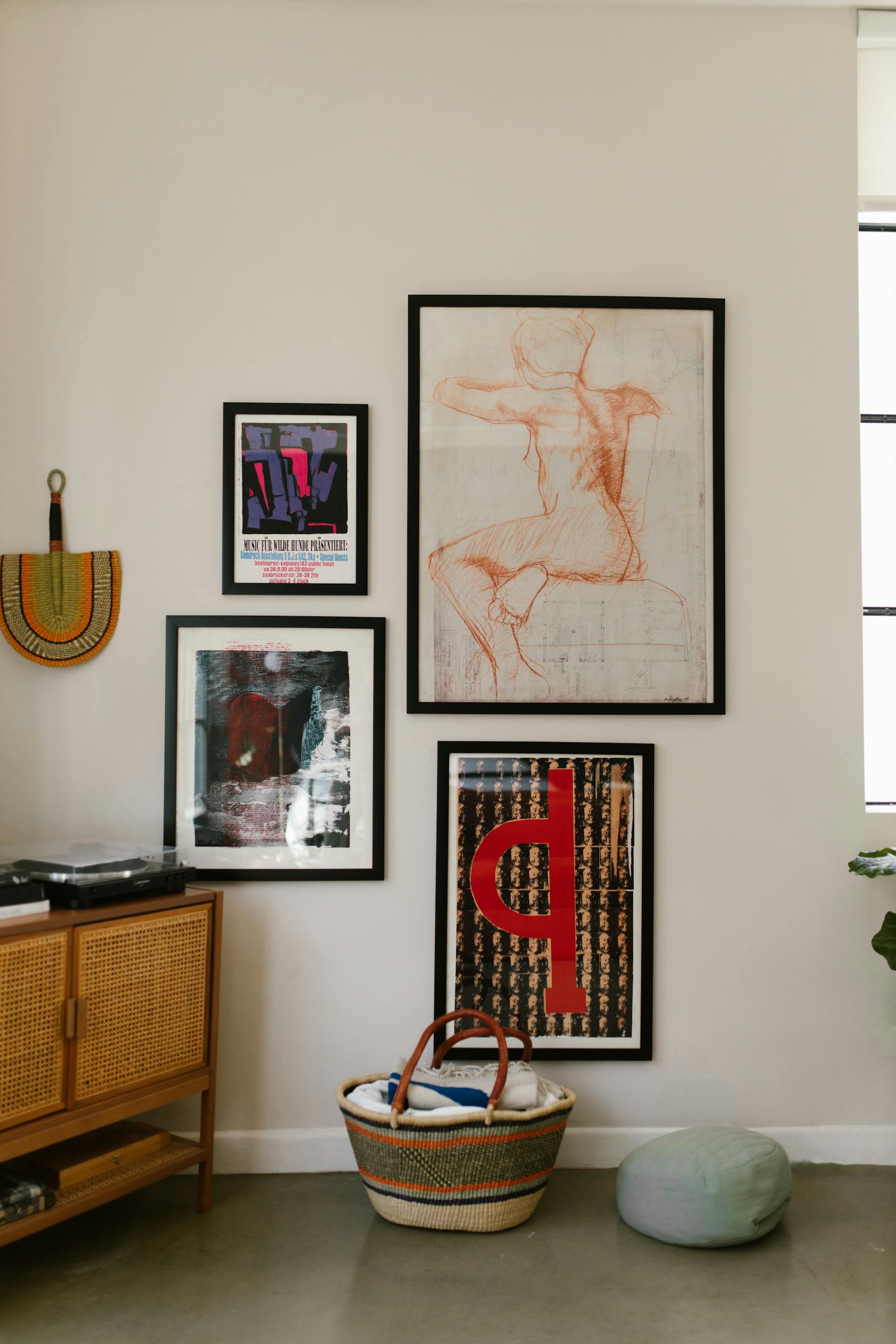
The Art of Collecting: Building a Personal Art Collection on Any Budget
The word “collector” conjures a certain image: the auction house paddle, the museum-quality acquisition, the climate-controlled storage facility. It is an image that excludes most people before the conversation has even started. But that image is wrong — or at least radically incomplete. The true history of art collecting is full of people of modest means who built remarkable collections through curiosity, patience, and a willingness to look at art carefully and trust their own responses to it.
For older adults who love art, building a personal collection — however small, however modestly priced — is one of the most satisfying creative pursuits available. It engages you deeply with the art world, supports living artists directly, and fills your home with objects that carry meaning and history. And it begins, like all genuine cultural engagement, with learning to see.
What a Collection Actually Is
A collection is not an accumulation. It is a body of objects connected by a sensibility — a set of aesthetic preferences, themes, or interests that give the whole a coherence greater than the sum of its parts. The collector who buys whatever is cheapest or most decoratively convenient does not have a collection; they have furniture. The collector who buys only work that genuinely moves them, who develops knowledge of an artist or a period or a medium and acquires within that focus over years, has something genuinely valuable — not necessarily financially, but culturally and personally.
The most important principle in collecting is deceptively simple: buy what you love. Not what you think will appreciate in value, not what impresses others, not what the gallery tells you is important. What you love. A collection built on genuine aesthetic response, over time, has a coherence and a personality that other people can feel. It becomes a self-portrait — a document of who you are and what moved you.
Where to Find Art to Buy
Art fairs: Open-air art fairs and craft fairs, held in most cities throughout the spring and summer months, offer direct access to artists selling their own work. Prices are often negotiable. You can talk to the artist about their process, their influences, their other work. This direct relationship with the maker is one of the distinctive pleasures of buying from fairs.
Gallery openings: Commercial galleries host opening receptions for new exhibitions — typically free and open to the public — where you can meet the artist, speak with gallery staff, and see fresh work before it sells. Many galleries offer payment plans for significant purchases. Developing a relationship with a gallery you trust, one whose taste aligns with yours, is one of the best ways to stay connected to the art world and discover new artists.
Artist studios: Many artists open their studios periodically — during open studio events, by appointment, or through artist-run cooperatives. Buying directly from an artist typically means lower prices than gallery prices, and the conversation with the artist adds permanent meaning to the work.
Online platforms: Saatchi Art, Artsy, and Artfinder offer curated online marketplaces for original art at a wide range of price points. These platforms are particularly useful for discovering artists outside your local geography. Work can be shipped professionally and returned if it does not suit the space.
Auction houses: Major auction houses (Christie’s, Sotheby’s, Bonhams) are largely out of reach for modest budgets, but their regional subsidiaries and online departments often offer accessible price points. Local and regional auction houses are worth monitoring for unexpected discoveries — early works by later-significant artists, underestimated printmakers, and estate collections with surprising depth.
Prints and works on paper: Original prints — etchings, lithographs, silkscreens — offer a way to own original, signed, limited-edition work by significant artists at a fraction of the cost of unique works. A limited-edition print by a major artist may be acquired for hundreds rather than hundreds of thousands of dollars. Works on paper (drawings, watercolors, gouaches) are similarly more accessible than paintings by the same artists.
Developing an Eye
Collecting well requires looking — a lot, and with increasing attention. Museum visits, gallery visits, art fair attendance, and reading about art history and criticism are all ways of developing the visual vocabulary that makes collecting meaningful. The collector who has spent years looking at art makes better decisions, faster, than the collector who buys on impulse — not because they follow rules, but because they have learned to trust their own responses and understand where those responses come from.
Some practical habits that develop the collector’s eye: keeping a record (notes or photographs) of art that strongly affects you, and revisiting that record periodically to notice patterns; reading the catalogues, essays, and interviews that accompany exhibitions; asking gallery staff to explain what they find significant about specific works; and visiting the same museums repeatedly, returning to works you have seen before with fresh attention.
Care and Display
Art deserves good care. A few basics: works on paper and textiles are particularly vulnerable to light damage — direct sunlight should be avoided entirely, and UV-filtering glass or acrylic in framing provides meaningful protection. Humidity extremes damage most works. Dusting should be done carefully and rarely, without touching the surface of the work.
Display matters more than people think. A great work hung in the wrong place — too high, too dark, too crowded — is diminished. A modest work hung at eye level, well-lit, given room to breathe, is elevated. Take time with placement, and do not be afraid to rearrange.
The collection you build over years will outlast you. It will be inherited or donated or dispersed. It will carry your taste and your choices and your love into the future. That is not a small thing. It is, in its way, a form of immortality — the most modest and most honest kind.
Related Articles
- Art Collecting After 50: How to Start, What to Know, and Why It Changes Everything
- Learning to See Architecture: How the Built World Becomes a Source of Lasting Pleasure
- Genealogy as a Creative Pursuit: Researching Your Family History as Art and Story
- Health and Wellness After 50 | Vitality, Nutrition & Mindset Guide
[…] The Art of Collecting: Building a Personal Art Collection on Any Budget […]
[…] The Art of Collecting: Building a Personal Art Collection on Any Budget […]
[…] The Art of Collecting: Building a Personal Art Collection on Any Budget […]