





Attending Arts Festivals: Your Guide to Making the Most of Cultural Events
There is a particular electricity to a festival. The temporary city within a city: the stages and stalls, the crowds moving with shared purpose, the sense that something important and unrepeatable is happening here, now, and you are in it. Arts and cultural festivals — music festivals, film festivals, literary festivals, folk art fairs, cultural heritage celebrations — offer one of the most concentrated experiences of community and creativity available anywhere.
The Rich World of Arts Festivals
Music Festivals
The United States has one of the world’s richest music festival cultures, spanning virtually every genre:
Classical and opera: The Tanglewood Music Festival in the Berkshires has been the summer home of the Boston Symphony Orchestra for decades. The Ravinia Festival outside Chicago, the Santa Fe Opera Festival, the Saratoga Performing Arts Center, and the Spoleto Festival USA in Charleston, South Carolina are among dozens of world-class classical summer festivals. These festivals typically offer both indoor and outdoor (lawn) settings, and lawn tickets are often very affordable.
Jazz: The Newport Jazz Festival (Rhode Island) is perhaps the most historically significant jazz festival in the world. The Monterey Jazz Festival (California) and the New Orleans Jazz & Heritage Festival are similarly legendary. Jazz festivals are particular favorites of older adults, combining extraordinary musicianship with outdoor settings and a convivial atmosphere.
Folk and roots music: The Newport Folk Festival, the Telluride Bluegrass Festival, MerleFest in Wilkesboro, North Carolina, and hundreds of regional folk and roots festivals celebrate traditional American music and its offshoots. These festivals tend to be warm, community-oriented events with enthusiastic and multigenerational audiences.
Blues: The Chicago Blues Festival (free admission, one of the world’s largest) and the King Biscuit Blues Festival in Helena, Arkansas are among the preeminent celebrations of this distinctly American art form.
Literary Festivals
Literary festivals — gatherings of writers, readers, and book lovers — have proliferated dramatically in the past two decades. These events offer readings, panel discussions, author interviews, workshops, and the rare pleasure of meeting the writers whose work you admire.
Notable literary festivals include the Miami Book Fair (one of the largest in North America), the Los Angeles Times Festival of Books (free admission), the Hay Festival in Wales, and the Edinburgh International Book Festival. Literary festivals are particularly well-suited to older adults: they are largely sedentary, intellectually stimulating, and allow you to calibrate your own pace and programming.
Film Festivals
While the major film festivals (Sundance, Tribeca, Toronto International, Venice) attract significant public attention, many are accessible to general ticket buyers. The experience of seeing a film in a festival context — often with the director present for a Q&A, in a room full of people who have sought out challenging cinema — is qualitatively different from a multiplex screening.
The San Francisco International Film Festival, the Telluride Film Festival, the New York Film Festival, and hundreds of regional and specialized festivals (documentary, animation, silent film, foreign language) offer programming far beyond what reaches mainstream theaters.
Visual Art and Craft Festivals
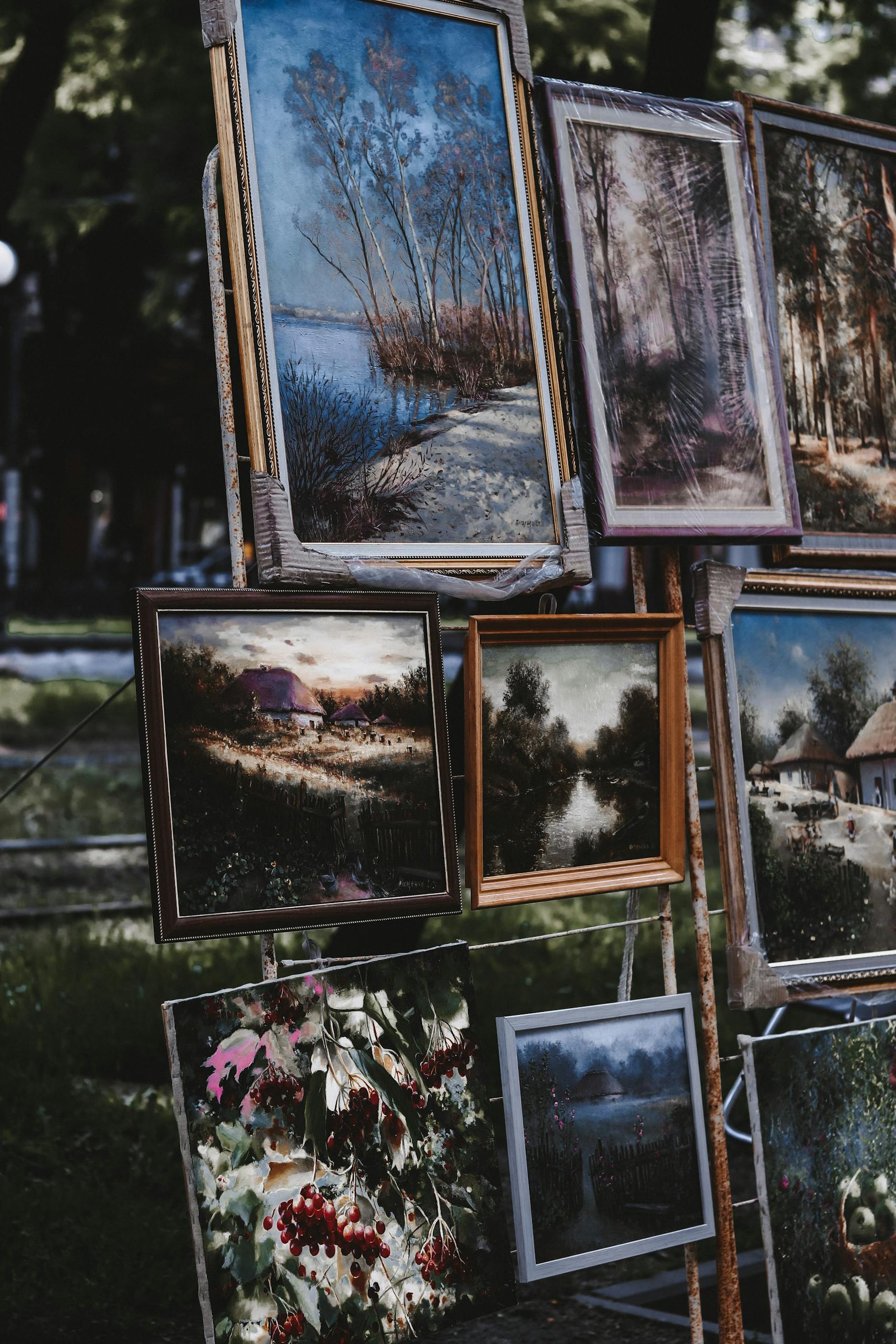
Art fairs, craft shows, and visual art festivals range from the village-square variety to major international events. The American Craft Council Show, the Washington Square Outdoor Art Exhibit, and the Cherry Creek Arts Festival in Denver are among the largest juried art festivals in the country. These events offer the opportunity to see and purchase original work directly from artists — and to have real conversations with makers about their practice.
Cultural Heritage Festivals
Heritage festivals celebrate the cultural traditions of specific communities: food, music, dance, costume, craft, and story. Greek festivals, Irish cultural festivals, Scottish Highland Games, Caribbean festivals, Lunar New Year celebrations, Diwali festivals, Juneteenth celebrations — these events are held in virtually every mid-sized city, often free or very low cost, and deeply joyful.
The Smithsonian Folklife Festival (free, on the National Mall in Washington D.C.) and the National Folk Festival offer an extraordinary window into living cultural traditions.
Choosing the Right Festival
Not every festival is suited to every person or preference. Before committing, consider:
- Scale: Large festivals offer breadth and variety but can be physically and sensory demanding. Smaller festivals offer intimacy and ease of navigation. When in doubt, start smaller.
- Setting: Outdoor festivals are often the most atmospheric but can be weather-dependent and physically demanding. For those with heat sensitivity or mobility concerns, indoor programming or festivals with ample shade and seating is important.
- Programming depth: Look at the specific lineup before committing. Is there enough in the schedule to justify the trip and cost?
- Logistics: Parking, shuttle services, restroom availability, food options, seating — all of these matter more as we age and should be researched before arriving.
Practical Tips for Festival Attendance in Later Life
- Book accommodation early: Festivals drive accommodation demand in their host cities. Book early, and consider staying within walking or easy shuttle distance of the venue.
- Plan your schedule selectively: The temptation at a festival is to try to see everything. Choose your priorities. Build in time to sit, eat, and absorb. The unplanned encounters are often the best parts.
- Know the accessibility options: Contact the festival in advance to ask about accessible parking, mobility assistance, accessible viewing areas, sign language interpretation, and reduced-price tickets for those with disabilities. These options are rarely advertised loudly; you usually have to ask.
- Dress for the conditions: Comfortable shoes are non-negotiable at any outdoor festival. Layers, sunscreen, a light rain jacket, and a hat are standard kit. A portable folding chair can be transformative.
- Go with a companion if possible: Festivals are better shared. Having a companion also adds safety — someone to navigate with, someone to hold the spot while you get water.
- Consider the off-peak experience: Many festivals are most crowded on weekend days and most relaxed on weekday mornings. A Tuesday morning at a ten-day literary festival can be a completely different — and often better — experience than a Saturday afternoon.
Making Festivals a Regular Part of Your Cultural Life
The best way to get started with festival attendance is to identify one or two events that genuinely excite you — not festivals that seem impressive in theory, but events built around things you actually love — and attend them. The experience itself will tell you more about your preferences than any guide.
Many devoted festival-goers describe the rhythm of their annual calendar partly in terms of their festivals: the Newport Jazz Festival in August, the Miami Book Fair in November, the local folk art fair in September. These events become landmarks, occasions for anticipation and preparation and reunion with people you see there year after year.
This is the full flourishing of cultural life: not passive consumption but active participation, in community, in the ongoing human project of making and sharing meaning through art.
Related Articles
- Building Your Cultural Community: How to Find Your People in the Arts After 50
- Cultural Travel for Seniors: Planning Arts-Focused Trips That Go Beyond Tourism
- Genealogy as a Creative Pursuit: Researching Your Family History as Art and Story
- Arts and Culture for Seniors: Your Complete Guide to a Richer, More Creative Life