





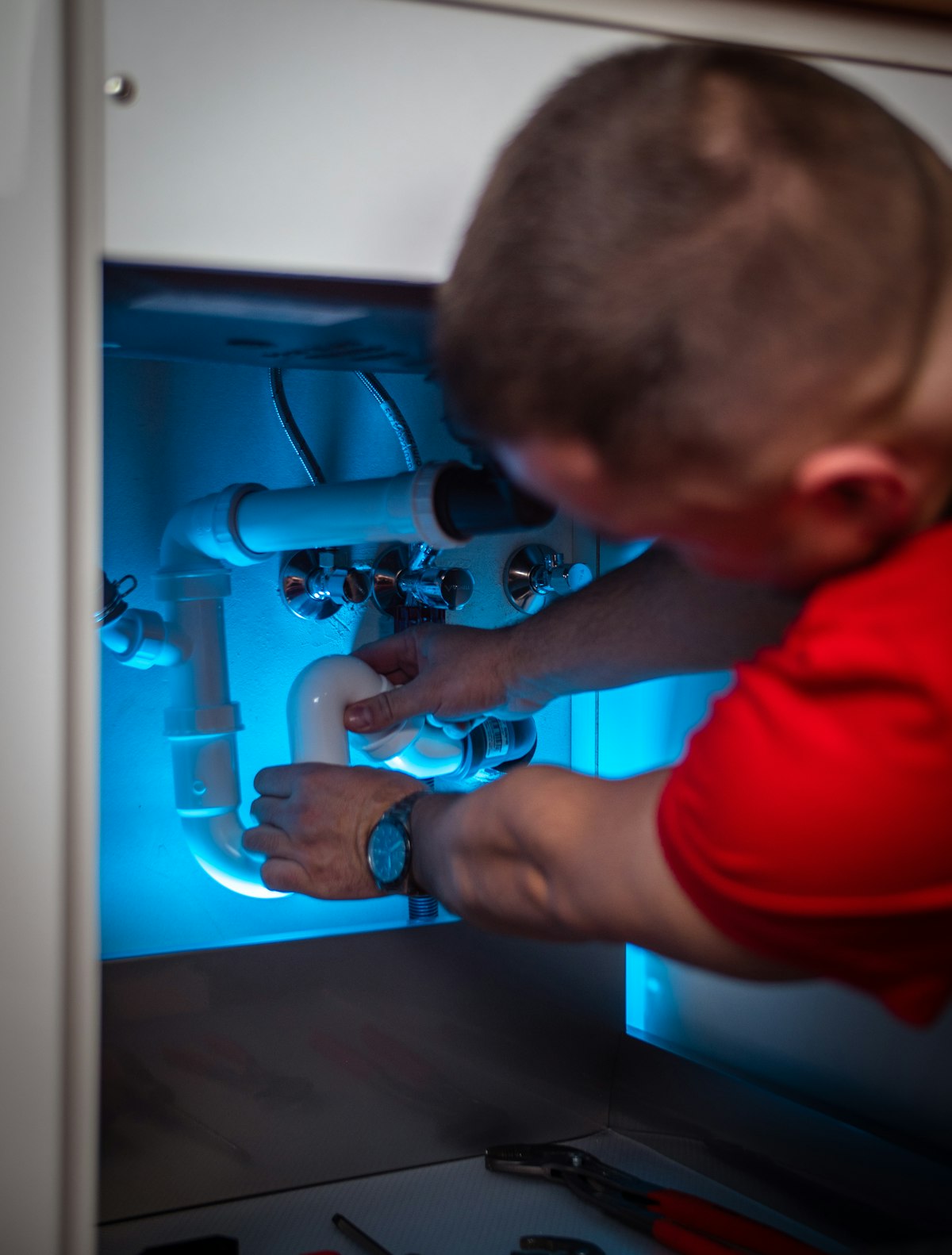
Plumbing in Older Homes: What Every 50+ Homeowner Should Know Before Problems Strike
Plumbing is the home system that most homeowners think about least until something goes wrong — and in a home that is 30, 40, or 50 years old, the probability that something will go wrong at some point is high enough to warrant proactive attention rather than reactive panic. The good news is that understanding what you have, knowing its expected lifespan, and making targeted upgrades before failure is almost always cheaper and less disruptive than emergency response after a pipe bursts or a drain backs up into a finished basement.
The median American home is now 44 years old, which means a substantial portion of the US housing stock has plumbing infrastructure that was installed in the 1970s and 1980s. Some of it is in excellent condition; some of it is approaching or past its functional lifespan. The difference usually comes down to material, installation quality, water chemistry, and maintenance history — variables that a plumber can assess in a few hours and that are worth understanding for any major home.
Pipe Materials and What They Mean for Your Home’s Future
The type of pipe in a home varies by age, region, and what was common practice when the home was built. Copper supply lines, installed in most homes from the 1950s through the 1990s, have a long service life — 50–70 years under normal conditions — and are generally still serviceable in homes where they were installed. However, copper pipes in homes with aggressive water chemistry (low pH, high dissolved oxygen) can experience accelerated corrosion, leading to pinhole leaks that are small individually but tend to multiply once they begin.
Galvanized steel pipe — common in homes built before 1960 — corrodes from the inside out, accumulating rust and mineral deposits that progressively restrict water flow and eventually cause leaks. Homes with galvanized supply lines that have not been replaced are living on borrowed time; replacement with copper or PEX (cross-linked polyethylene, the flexible plastic supply pipe that has become the dominant replacement material) is a major project but one that significantly improves water quality, pressure, and reliability.
Polybutylene pipe — a gray plastic supply pipe installed in millions of homes between approximately 1978 and 1995 — was the subject of a major class action settlement after widespread failure rates emerged. If a home has polybutylene supply lines (identifiable by their gray color and stamped “PB” designation), replacement is a priority rather than an elective. Insurance companies in some markets have begun declining coverage or requiring replacement as a condition of policy renewal for homes with polybutylene.
For drain lines, cast iron — common in homes built through the 1970s — has a lifespan of 50–100 years but can develop corrosion, cracks, and root infiltration at joints, particularly in main drain lines that run through or under the foundation. A sewer scope inspection — a camera inserted into the drain lines to assess their condition — costs $150–$350 and is one of the most valuable home maintenance investments an owner of an older home can make, because failing drain lines that are not addressed eventually cause sewage backups that are expensive, unhealthy, and disruptive.
Water Heaters: The Appliance Most Likely to Fail Without Warning
The standard tank water heater has a design life of 8–12 years. Many homeowners operate their water heaters well past this threshold because a water heater that hasn’t failed yet seems fine — until it fails catastrophically, often as a slow leak that saturates the surrounding area before being noticed. A water heater that is 12 or more years old in a home where the replacement cost and water damage risk haven’t been evaluated is a pending problem, not just an aging appliance.
Replacement before failure is almost always cheaper than after. An in-warranty water heater installed proactively costs $800–$1,500 installed. A water heater that fails and leaks into a finished utility room, basement, or adjacent carpeting adds water damage remediation costs of $1,000–$5,000+ to the replacement cost. Checking the manufacturer label on a water heater (the serial number typically encodes the manufacture date) and replacing any unit over 10 years old proactively is sound preventive maintenance.
The Shutoff Valve Problem Nobody Talks About
Many older homes have shutoff valves — the valves that allow water to individual fixtures or the main supply to be turned off — that have never been operated in decades and are essentially seized open. A valve that hasn’t moved in 30 years will often fail to close when water pressure needs to be cut off urgently. Testing and exercising shutoff valves annually — and replacing any that don’t turn freely — is a 30-minute maintenance task that can prevent a minor plumbing problem from becoming a major water damage event. Replacing corroded or failed shutoff valves with quarter-turn ball valves, which are far more reliable than the old multi-turn gate valves in many older homes, is a plumber’s morning of work that pays dividends in emergency preparedness.
Related Articles
- Roof Replacement: When to Do It, What It Costs, and How to Avoid Getting Burned
- Electrical and HVAC Systems in Aging Homes: What to Watch For and When to Upgrade
- The 44-Year-Old Home: What America’s Aging Housing Stock Really Means for Owners
- ADUs and Accessory Dwelling Units: What 50+ Homeowners Need to Know