





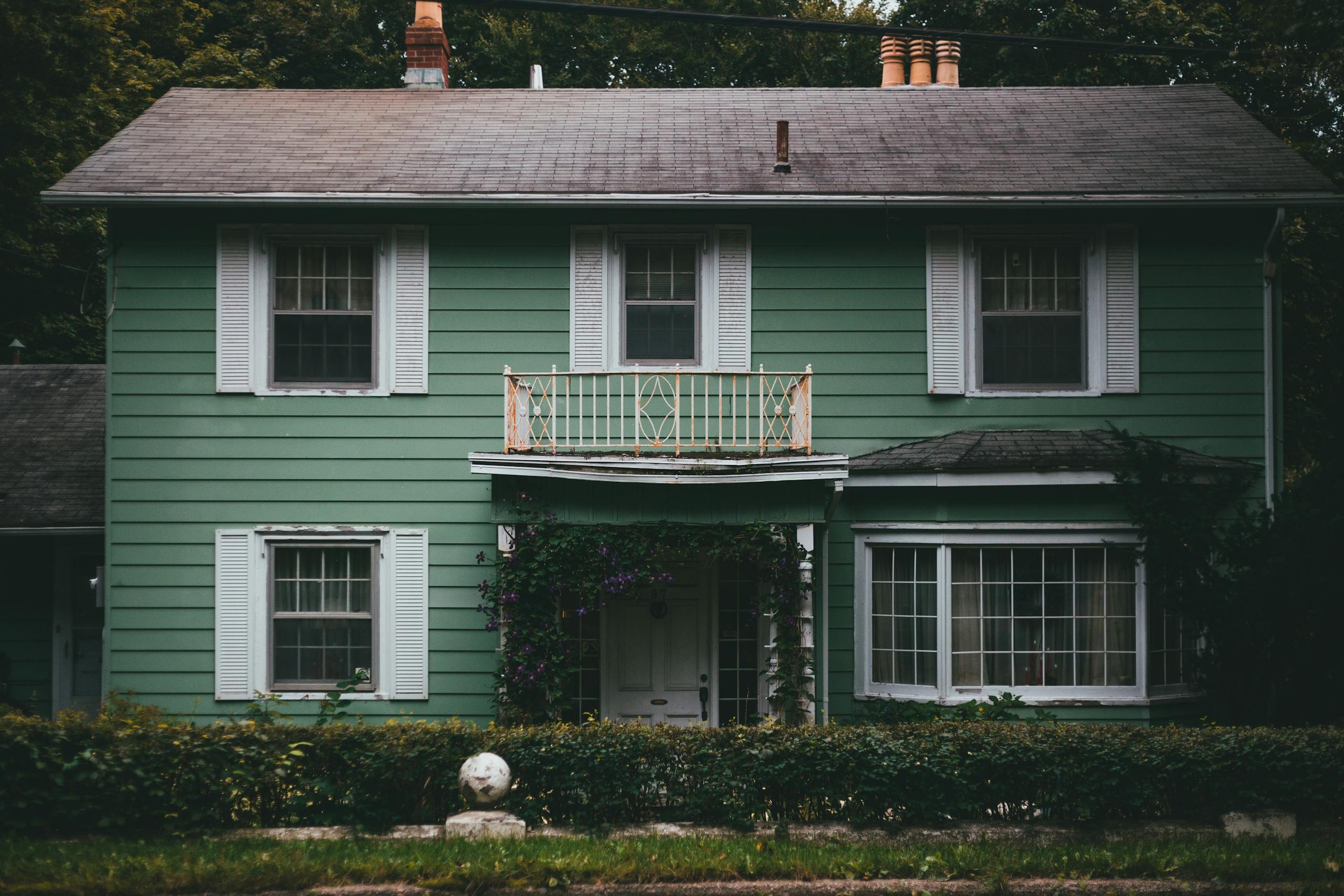
The 44-Year-Old Home: What America’s Aging Housing Stock Really Means for Owners
The median age of an owner-occupied home in the United States is now 44 years. That single statistic, published by the Harvard Joint Center for Housing Studies, contains within it an enormous amount of financial consequence that most homeowners have not fully reckoned with. A home built in 1980 or 1981 — the median vintage — is approaching the end of the useful life of virtually every major system it was built with. The roof, the HVAC, the water heater, the electrical panel, the plumbing, the windows: the typical lifespans of these systems range from 15 to 30 years. In a home that is 44 years old, most of them have already been replaced once and are approaching replacement again — or were never replaced at all.
This is not a minor background concern. It is the defining home ownership reality of the current decade, and it falls disproportionately on homeowners over 50, who are far more likely than younger buyers to have been in their homes long enough to be facing this wave of deferred and upcoming maintenance simultaneously.
What 44 Years of Age Actually Means System by System
Understanding the maintenance implications of an aging home requires thinking about the lifespan of its major components. A standard asphalt shingle roof lasts 20–30 years; in a 44-year-old home that hasn’t been re-roofed, replacement is not upcoming — it is overdue. A gas furnace lasts 15–20 years; the average central air conditioning system lasts 15–20 years. A water heater lasts 8–12 years. Galvanized steel plumbing pipes — common in homes built before the mid-1980s — have a practical lifespan of 40–70 years and begin to restrict water flow, corrode, and fail as they approach that range. Aluminum wiring, installed in many homes from the mid-1960s through the mid-1970s, is a documented fire hazard that requires either replacement or remediation.
The convergence problem is what makes the 44-year median home so financially significant: homeowners are not typically facing one major replacement in isolation but a cluster of aging systems reaching end of life in roughly the same period. The roof that needs replacing this year sits above the HVAC system that will need replacement in three years, in a house whose electrical panel hasn’t been touched since 1985. Managing this thoughtfully requires a planned approach; encountering it reactively — replacing systems only when they fail — produces a chaotic and significantly more expensive experience.
The Geography of Aging Housing
The aging housing stock is not uniformly distributed. The Northeast and Midwest contain the oldest housing in the country — median home ages in cities like Buffalo, Cleveland, Detroit, and Providence exceed 60 years, with substantial stocks of homes from the early 20th century. These homes carry maintenance challenges that extend beyond aging systems into genuinely historic structural concerns: slate roofs, knob-and-tube wiring, stone foundations, and horsehair plaster walls. Sun Belt markets — Phoenix, Las Vegas, parts of Florida — have younger housing stock on average, but the rapid growth of these markets over the past 20 years means that large portions of their 1990s and early 2000s housing is now reaching the 20–30 year mark where its own first wave of major system replacements is due.
The Deferred Maintenance Backlog
The National Association of Realtors estimates that the deferred maintenance backlog across American owner-occupied housing is in the trillions of dollars. Deferred maintenance — work that needs to be done but has been postponed — is particularly concentrated in homes owned by lower- and middle-income homeowners who lack the financial resources to address maintenance on a timely schedule, and among older homeowners who may have been in their homes for 20–30 years without undertaking significant capital reinvestment.
The financial consequences of deferred maintenance are nonlinear. A small leak not addressed promptly becomes water damage that rots subflooring and grows mold; what would have cost $200 to fix now costs $8,000. An aging electrical panel that isn’t replaced before it fails creates a fire risk; the replacement after an incident costs multiples of a preventive upgrade. The compound interest of deferred maintenance runs in the wrong direction — the longer it’s deferred, the more expensive it becomes.
What This Means for Homeowners Over 50
For homeowners over 50 — the demographic most likely to own older homes and to have been in their current home for 15 or more years — the aging housing stock challenge is both a financial planning question and a lifestyle question. Financially, the realistic annual maintenance and capital improvement budget for a home over 40 years old is 2–4% of the home’s value — not the frequently cited 1% rule, which significantly underestimates the cost of older homes. On a $350,000 home, that represents $7,000–$14,000 per year: a budget line that many homeowners over 50 have neither planned for nor set aside.
The lifestyle question is whether continued investment in an aging home is the best use of those resources — whether renovation, modification, downsizing, or relocation better serves the life you’re building in this chapter. There is no universal answer, but the question deserves deliberate engagement rather than the default of continuing to maintain whatever you happen to own without asking whether it’s actually serving you.
Related Articles
- Roof Replacement: When to Do It, What It Costs, and How to Avoid Getting Burned
- Electrical and HVAC Systems in Aging Homes: What to Watch For and When to Upgrade
- Plumbing in Older Homes: What Every 50+ Homeowner Should Know Before Problems Strike
- Beyond Downsizing: Right-Sizing Your Home for the Life You Actually Want
[…] The 44-Year-Old Home: What America’s Aging Housing Stock Really Means for Owners […]
[…] The 44-Year-Old Home: What America’s Aging Housing Stock Really Means for Owners […]
[…] The 44-Year-Old Home: What America’s Aging Housing Stock Really Means for Owners […]