





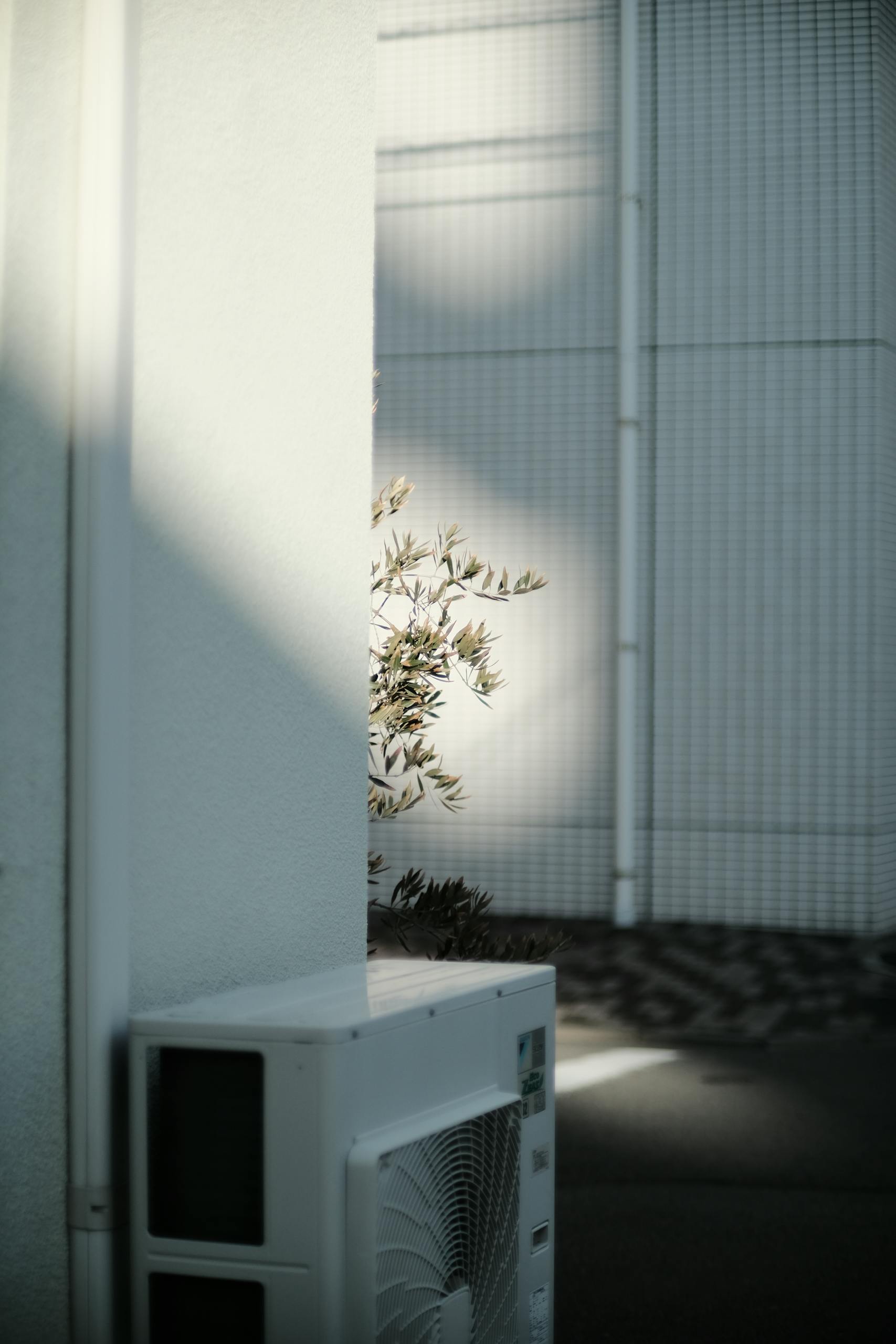
Electrical and HVAC Systems in Aging Homes: What to Watch For and When to Upgrade
The electrical and HVAC systems in an older home are among the most consequential — and most frequently ignored until they fail — components of a home’s infrastructure. Unlike a worn carpet or dated kitchen, a deteriorating electrical panel or a failing HVAC system doesn’t announce its condition visually. It operates until it doesn’t, and the failure can range from an inconvenience to a safety emergency. Understanding the warning signs and the replacement timelines for these systems allows homeowners to make proactive, planned decisions rather than reactive, pressured ones.
Electrical Systems: The Hidden Hazards of Aging Wiring
The age of a home’s electrical system matters in ways that vary significantly by era of construction. Homes built before the 1960s may have knob-and-tube wiring — a system of single, uninsulated conductors separated by ceramic knobs and tubes, without a ground wire. Knob-and-tube wiring in original condition, in a dry environment, is not immediately dangerous — but it is not compatible with modern electrical loads, cannot be covered with insulation without creating fire hazard, and is rejected by most insurers. Replacement cost: $8,000–$25,000 depending on home size.
Aluminum branch circuit wiring — installed in many homes built between 1965 and 1973 as a cost-saving measure during a period of high copper prices — is a documented fire hazard. Aluminum wiring expands and contracts with temperature changes more than copper, loosening connections over time and creating arcing risk at outlets, switches, and fixtures. The remediation options are: full replacement with copper ($10,000–$30,000 for most homes), or remediation with aluminum-compatible connectors (CO/ALR devices) at each connection point, inspected and performed by a licensed electrician ($1,000–$4,000).
The electrical panel itself has a lifespan of 20–40 years depending on brand and service conditions. Several specific panel brands installed widely in the 1950s–1990s have documented safety issues: Federal Pacific Electric (FPE) Stab-Lok panels and Zinsco panels are known to have breakers that fail to trip under overload conditions — a serious fire risk. If your home has one of these panel brands, evaluation and replacement is a legitimate safety priority, not merely a deferred maintenance item. A licensed electrician can identify your panel brand and condition.
Warning signs that warrant immediate electrical evaluation: frequently tripping breakers, flickering lights, burning smell from outlets or panel, outlets that are warm to the touch, two-pronged ungrounded outlets throughout the home, and insufficient panel amperage for modern loads (60-amp panels, common in older homes, are inadequate for contemporary electrical demands).
HVAC Systems: Understanding When to Replace
Gas furnaces have a practical lifespan of 15–25 years; central air conditioning systems, 15–20 years; heat pumps, 15–20 years; boilers, 20–35 years. The variance within these ranges depends on maintenance history, equipment quality, and usage patterns. An annually serviced furnace from a quality brand can easily reach 25 years; a neglected low-end unit may fail at 12.
The warning signs of an HVAC system approaching end of life include: increasing repair frequency (if you’ve had the unit serviced for repairs more than once in the past two years, the end is near); uneven heating or cooling throughout the house; humidity control problems; unusual noises (banging, rattling, squealing); and notably increased energy bills without a corresponding change in weather or usage. A furnace that is producing carbon monoxide — detectable through a CO detector’s alarm, through symptoms of CO exposure (headaches, dizziness), or through an HVAC technician’s combustion analysis — requires immediate attention regardless of age.
The efficiency argument for proactive replacement is real. A 1990s vintage furnace likely has an AFUE (Annual Fuel Utilization Efficiency) of 70–80% — meaning 20–30% of the fuel it burns is wasted. Modern high-efficiency furnaces operate at 96–98% AFUE. The annual fuel savings can be $200–$600 depending on climate, home size, and local gas prices — a material but not sufficient argument for early replacement. The more compelling argument for planned replacement is the choice of timing and contractor that comes with proactive decision-making vs. the emergency situation created by a furnace failure on a cold January night.
[…] Electrical and HVAC Systems in Aging Homes: What to Watch For and When to Upgrade […]
[…] Electrical and HVAC Systems in Aging Homes: What to Watch For and When to Upgrade […]