





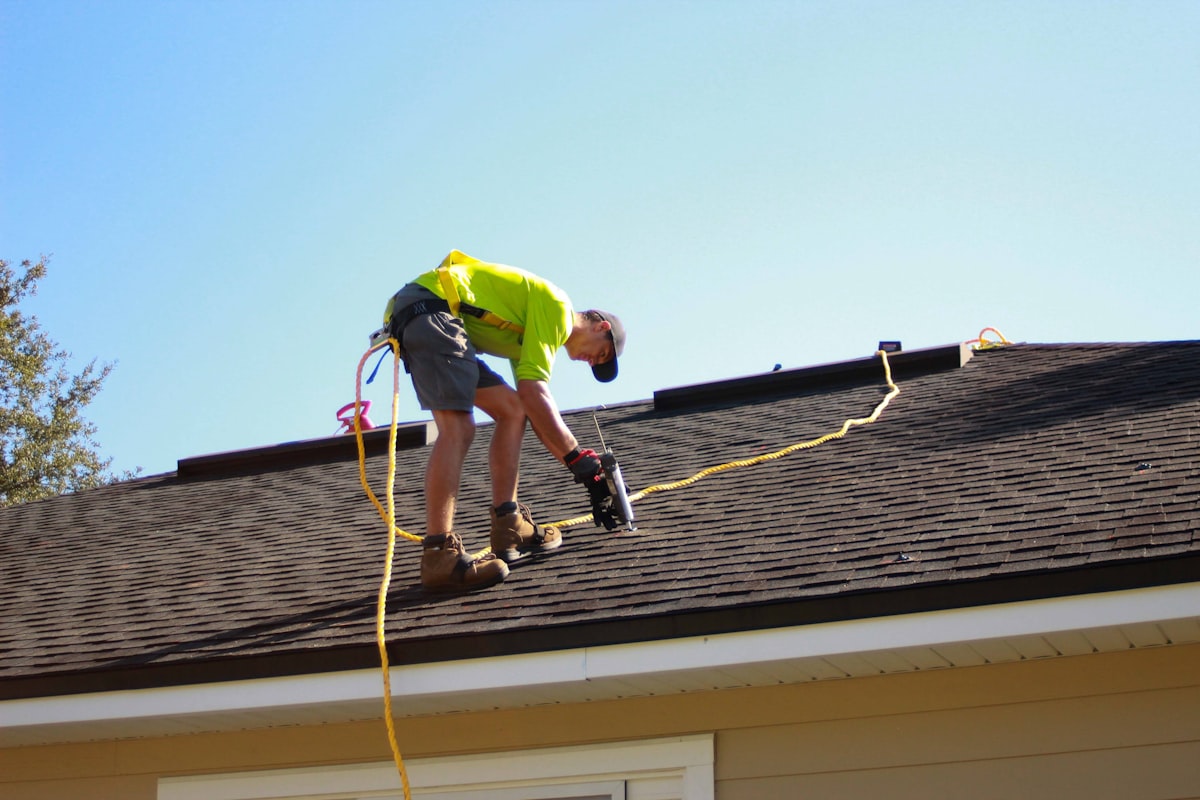
Roof Replacement: When to Do It, What It Costs, and How to Avoid Getting Burned
The roof is the most expensive single-component replacement most homeowners will face — and one of the most likely to ambush them. Unlike a water heater that announces its failure dramatically, or a furnace that begins declining visibly, a roof degrades slowly and invisibly, shedding years of service life without obvious interior signs until the deterioration is advanced enough to cause leaks. By the time water stains appear on a ceiling, the roof has usually been compromised for some time.
For owners of homes that are 20, 30, or 40 years old — and the median American home is now 44 years old — the roof question is not hypothetical. Most asphalt shingle roofs, which cover roughly 80% of American homes, have a functional lifespan of 20–30 years under normal conditions. If a home is approaching or has passed that threshold with its original roof, the question is not whether replacement will be needed but when — and whether to plan for it strategically or wait for the problem to force the decision.
The True Signs That Replacement Is Overdue
Age alone is a useful indicator but not sufficient for a replacement decision. The actual condition of the roof matters, and a professional inspection — $150–$350 from a qualified roofing contractor or home inspector — provides a more reliable basis for timing than age estimates alone.
Signs that experienced inspectors look for: granule loss from asphalt shingles (the granules that protect the underlying mat from UV degradation wash off as shingles age — significant granule accumulation in gutters or at downspout exits is a reliable indicator of advanced wear); curling or cupping at shingle edges, which indicates that the shingle material is drying out and losing flexibility; visible cracking or brittleness; missing shingles; and flashing condition around chimneys, vents, and valleys, where most roof leaks originate. A roof may look acceptable from the street while the flashing around a chimney has been compromised for years and is actively admitting water with every rain.
In attics, inspectors look for daylight visible through the roof deck, signs of past or active water infiltration (staining, rot, mold in the sheathing or framing), and the condition of insulation — wet insulation that has dried and recompacted is a telltale sign of chronic minor leaking that may not have been noticed at the ceiling level below.
What Replacement Actually Costs
A full roof replacement on a typical 2,000–2,500 square foot house runs $10,000–$20,000 for standard architectural asphalt shingles in most US markets, with significant regional variation. The cost drivers are roof complexity (the number of valleys, penetrations, and different planes increases labor cost substantially), the number of existing shingle layers that must be torn off and disposed of, the condition of the underlying roof deck (if sheathing is rotted or damaged, it must be replaced before new shingles are installed, adding cost), and the specific product selected.
Premium shingle products — impact-resistant grades that qualify for insurance discounts in hail-prone areas, Class A fire-rated products for wildfire-risk regions, designer shingles that mimic slate or cedar shake — carry significant price premiums over standard architectural shingles but can offer insurance savings and longer manufacturer warranties (typically 30–50 years versus 25–30 for standard products) that affect the long-term cost calculation. In areas where homeowners’ insurance premiums for older roofs have become painful — and they have, in many markets — an impact-resistant or Class 4 hail-rated shingle can reduce annual premiums enough to meaningfully offset the additional upfront cost over time.
Contractor Selection: The Single Most Important Decision
Roofing is one of the residential contracting categories most prone to consumer fraud and substandard work, for a simple reason: most homeowners can’t see whether the work was done correctly. Proper installation of flashing, underlayment, ventilation, and starter strips is as important as the shingles themselves, but these details are invisible once the job is finished. A roof that looks perfect from the street but was installed without proper flashing at the valleys may leak within two years.
The most important protection is choosing a licensed, insured contractor with verifiable local references — not the lowest bidder who appears after a storm and offers to work with your insurance company. Storm-chasing roofing contractors — operations that move from market to market following hail and wind events — are the source of a disproportionate share of roofing fraud complaints. A local contractor with an established business, physical address, verifiable insurance certificate, and references you can actually call is worth a significant premium over an unknown bidder, even if the number is higher.
Get three written bids that specify the same product line and scope of work, and ask each contractor for their manufacturer’s certification status — roofing manufacturers like GAF, Owens Corning, and CertainTeed offer enhanced warranty programs through certified installers that are only available through contractors who have met installation training requirements.
Related Articles
- Plumbing in Older Homes: What Every 50+ Homeowner Should Know Before Problems Strike
- The 44-Year-Old Home: What America’s Aging Housing Stock Really Means for Owners
- Condo vs. House in Your 50s and 60s: Which Actually Makes More Sense Now?
- Electrical and HVAC Systems in Aging Homes: What to Watch For and When to Upgrade