





Energy Efficiency Upgrades That Actually Pay Off in an Older Home
Energy efficiency upgrades are marketed aggressively and evaluated poorly by most homeowners. The decision is typically made on the basis of contractor sales pitches, vague appeals to environmental benefit, and optimistic payback period claims that assume utility rates, usage patterns, and equipment performance that may not apply to your specific situation. The result is that some homeowners invest in upgrades that deliver excellent returns while others spend significant money on improvements that pay back over 20 years — long after the equipment needs replacement.
Here is a realistic, evidence-based assessment of which energy efficiency investments are worth making in an older home, and which are not.
High ROI: Air Sealing and Insulation
The single highest-return energy efficiency investment in most older homes is air sealing and insulation — specifically, sealing the leaks in the building envelope (the boundary between conditioned and unconditioned space) and ensuring the attic has adequate insulation levels. This is unsexy, unglamorous work that doesn’t photograph well for social media. It also typically delivers payback periods of 3–7 years and makes every other energy system in the house more efficient.
Older homes lose enormous amounts of conditioned air through gaps around electrical outlets, plumbing penetrations, attic hatches, and the junction between walls and attic floor. A professional energy audit ($200–$500, often subsidized by your utility company) identifies these losses with a blower door test and infrared imaging. The remediation — caulking, weatherstripping, foam sealing, and insulation upgrades — typically costs $1,500–$5,000 and reduces heating and cooling costs by 15–30%.
High ROI: Heat Pump Water Heaters
Heat pump water heaters are one of the most financially compelling efficiency upgrades currently available. They use 60–70% less electricity than traditional electric resistance water heaters by moving heat from the surrounding air rather than generating heat directly. Installed cost runs $1,500–$4,000; the federal Inflation Reduction Act provides a 30% tax credit (up to $600) for qualifying installations. Payback periods of 3–5 years are typical for homes replacing electric resistance water heaters, with models lasting 10–15 years.
Good ROI in the Right Circumstances: Heat Pump HVAC
Modern heat pump systems — including the cold-climate heat pumps that now operate efficiently at temperatures below 0°F — are significantly more efficient than gas furnaces and traditional central air conditioning. For homes in moderate to warm climates replacing older equipment, the economics are favorable. For homes in cold climates replacing high-efficiency gas furnaces, the economics are more complex and depend on local electricity and gas prices. The 30% federal tax credit (up to $2,000) under the Inflation Reduction Act improves the math in all markets.
The important caveat: heat pump efficiency depends heavily on proper sizing and installation. An improperly sized or poorly installed heat pump will underperform and disappoint. Hire a contractor with documented heat pump installation experience and require a Manual J load calculation to verify proper sizing.
Moderate ROI: LED Lighting and Smart Thermostats
LED lighting conversion and smart thermostat installation are low-cost, quick-payback upgrades that are worth doing but don’t move the needle significantly on a whole-house energy basis. LED conversions of remaining incandescent and CFL fixtures typically cost $200–$500 and pay back within 1–2 years. A Nest or Ecobee smart thermostat ($150–$300 installed) typically saves $100–$200 per year on heating and cooling — a 1–2 year payback.
Lower ROI: Solar Panels (in Most Cases)
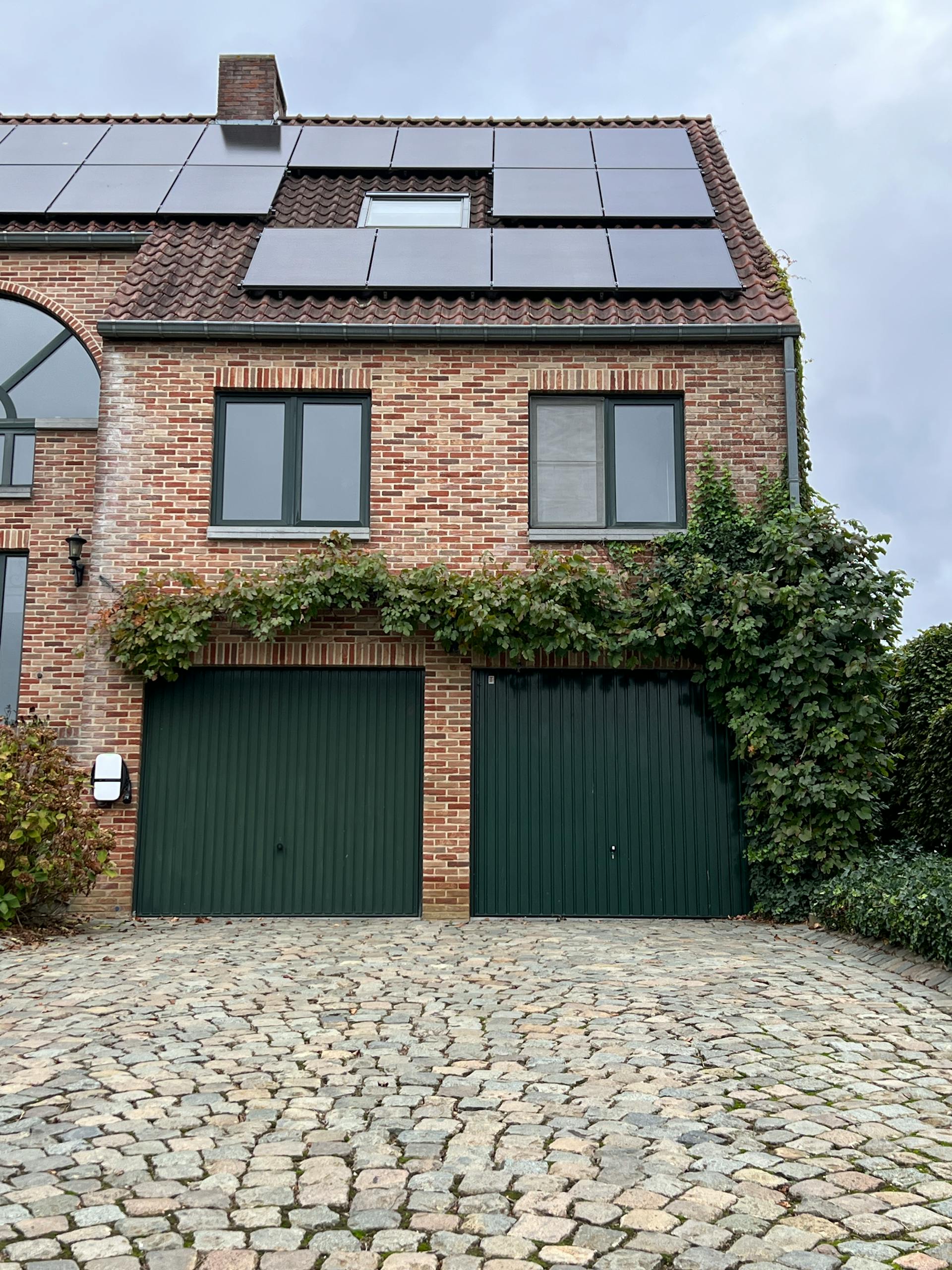
Rooftop solar is heavily marketed and not universally a good investment. The economics depend on: local electricity rates (high rates make solar more attractive), solar resource (sun hours per day), available incentives (the 30% federal tax credit significantly improves the math), roof condition (solar panels should not be installed on a roof within 5 years of needing replacement), and shading. In states with high electricity rates and good solar resources (California, Hawaii, Massachusetts, New York), solar can be an excellent investment with payback periods of 7–12 years. In states with low electricity rates or limited incentives, paybacks of 15–20+ years are common. The key question: how long do you intend to be in the home?
Lower ROI: Window Replacement for Energy Purposes
New windows are frequently sold on the basis of energy savings that rarely justify the cost. A whole-house window replacement in a 2,000 square foot home costs $15,000–$40,000. The energy savings from replacing single-pane with double-pane windows typically run $200–$500 per year — implying payback periods of 30–80 years. New windows may be worth replacing for other reasons (structural failure, air infiltration, condensation between panes, comfort, aesthetics) but energy savings alone rarely justify the cost. If energy performance is the primary goal, add interior window insulation film ($5–$15 per window) as an interim measure and direct the window budget to air sealing and insulation instead.
[…] Energy Efficiency Upgrades That Actually Pay Off in an Older Home […]
[…] Smart Home Essentials for the Second ActThe tech that actually works, and the gadgets you can safely ignore. […]