





Repair vs. Replace: Making Smart Home System Decisions After 50
One of the most consequential — and most frequently made poorly — decisions in home maintenance is whether to repair an aging system or replace it. The pressure in the moment of a failure is almost always toward the cheaper option: fix it, get it working, and deal with the replacement question later. This approach is often right. It is also, in specific circumstances, exactly the wrong decision — committing money to a system that is going to need full replacement within 12–18 months anyway, spending repair dollars that don’t extend useful life meaningfully, and forgoing the energy efficiency benefits of a modern replacement system.
Making this decision well requires a framework, not just a gut feeling.
The 50% Rule of Thumb
The most widely used heuristic in home repair decision-making is the 50% rule: if the cost of the repair exceeds 50% of the cost of replacement, replace rather than repair. This rule has the virtue of simplicity and reasonable accuracy in most cases. A furnace repair quote of $1,800 on a system that would cost $4,000 to replace points toward replacement, particularly if the system is 16 years old. A $400 repair on the same system in its 8th year points toward repair.
The 50% rule becomes more useful when combined with age: the older the system, the lower the repair-to-replacement threshold at which replacement makes sense. A repair representing 30% of replacement cost on a 20-year-old HVAC system is a more questionable investment than the same repair on a 7-year-old system, because the expected remaining useful life of the older system is so much shorter.
System-Specific Decision Frameworks
HVAC: The industry rule of thumb is to multiply the system’s age by the repair cost; if the result exceeds $5,000, replace. A 15-year-old system with a $400 repair quote: 15 × $400 = $6,000 → replace. A 7-year-old system with the same quote: 7 × $400 = $2,800 → repair. This formula is a starting point, not a verdict, but it incorporates age weighting that the simple 50% rule misses. Also factor in: SEER rating (modern systems at SEER 18–20 use 20–40% less energy than older SEER 10 systems; the energy savings from replacement have real financial value) and R-22 refrigerant (systems using the now-phased-out R-22 refrigerant are significantly more expensive to repair and should be replaced rather than repaired in virtually all circumstances).
Roof: A roof repair makes sense for isolated damage (a few missing shingles, a flashing failure, localized storm damage) on a roof with significant remaining life. When a roof is within 5 years of its end of life, a repair that costs more than $500–$1,000 is typically poor value — you’re extending a system that is going to need full replacement shortly regardless. An important nuance: a roof inspection by a reputable roofer (not a storm chaser following a hail event) will tell you the realistic remaining life of your current roof and whether repair or replacement is the appropriate decision.
Water heater: Water heaters are a case where replacement almost always makes more financial sense than major repair. A traditional tank water heater costs $1,200–$2,000 installed; any repair exceeding $500–$600 on a unit over 8 years old is rarely justified. Heat pump water heaters ($1,500–$4,000 installed) use 60–70% less electricity than traditional electric resistance heaters; the energy savings typically justify the premium over a 3–5 year payback period, and a federal tax credit of 30% (up to $600 under the Inflation Reduction Act) further improves the economics.
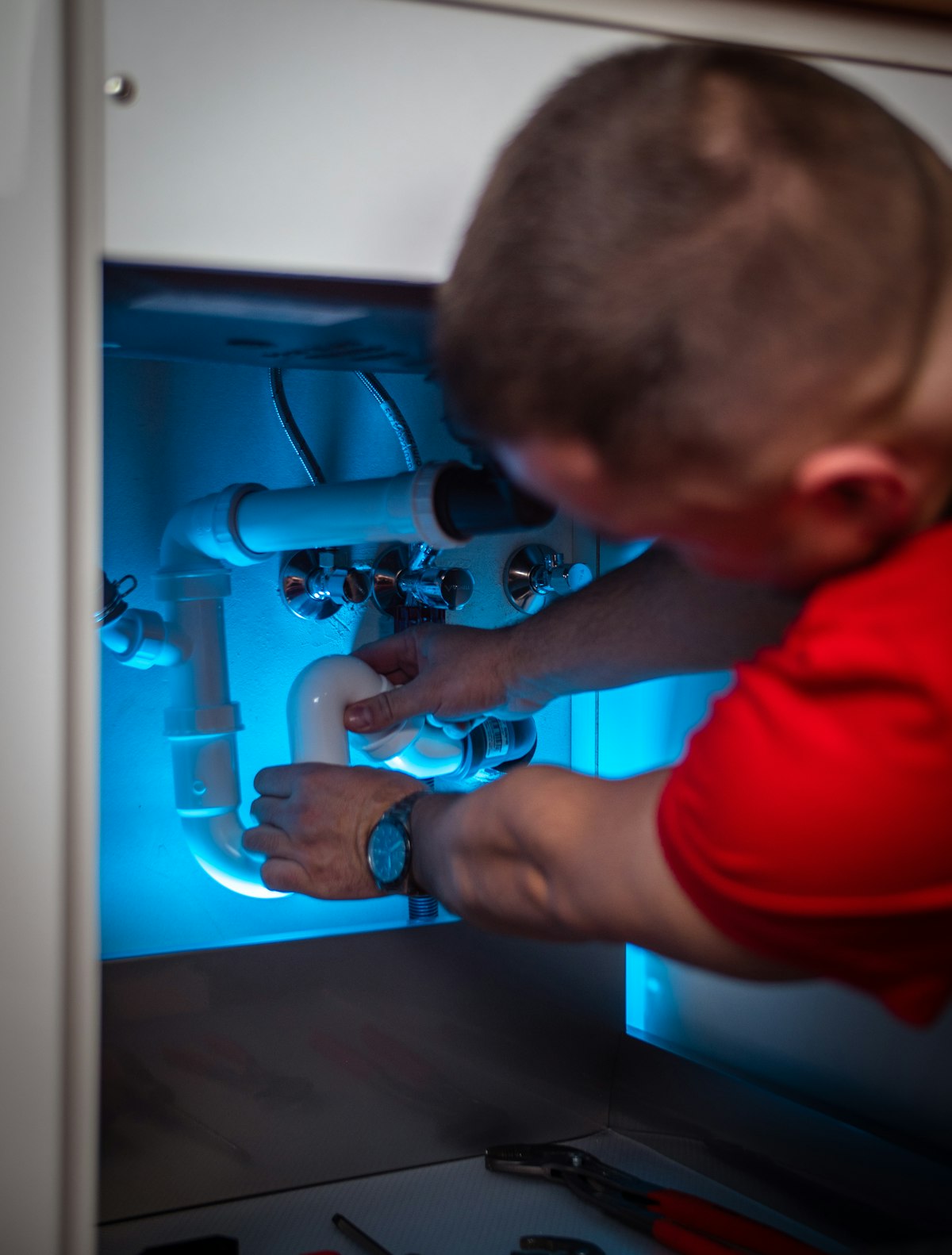
Plumbing: Isolated plumbing repairs (a leaking faucet, a failed shutoff valve, a running toilet) are straightforward repair scenarios. The repair vs. replace calculus becomes more complex when the pipes themselves are aging — galvanized steel pipes corroding from the inside, polybutylene pipes (installed in many homes built 1978–1995 and prone to failure), or original copper pipes with widespread pinhole leaks. Whole-house repiping is a significant investment ($8,000–$20,000) but one that eliminates ongoing repair costs and the risk of water damage from pipe failures.
The Hidden Cost of Repeated Repairs
One of the most common financial mistakes in home maintenance is the “death by a thousand repairs” pattern: repeatedly repairing a system rather than replacing it, spending money each time without meaningfully extending the system’s life, while also enduring the disruption of recurrent failures. The total cost of three repair visits to a failing HVAC system over 18 months often exceeds or approaches the cost of replacement — without the benefit of a new system with a 15-20 year useful life and modern energy efficiency. Tracking cumulative repair costs on aging systems helps identify when the replacement threshold has been crossed.
[…] Repair vs. Replace: Making Smart Home System Decisions After 50 […]