





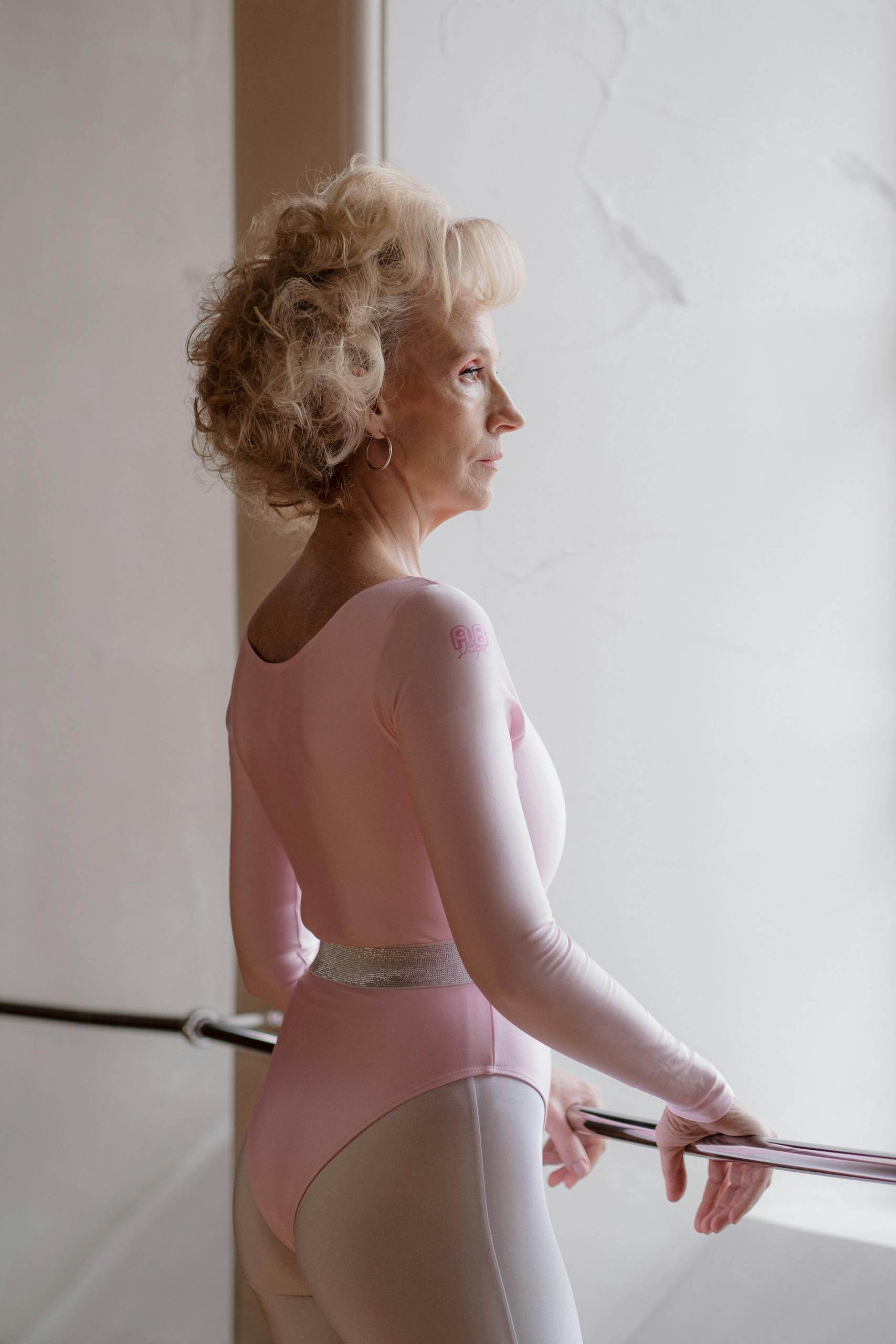
Dance Classes for Older Adults: From Ballroom to Ballet, Movement Is Medicine
When people talk about what they miss most as they age, movement is almost always somewhere on the list. Dance answers that question differently from most forms of movement. It does not ask you to measure your speed or track your distance. It asks you to listen to music and let your body respond. And for many older adults, that invitation — to move for the joy of it, in community, with music — unlocks something that exercise alone cannot reach.
What the Research Says About Dance and Aging
The New England Journal of Medicine published a landmark study in 2003 that tracked leisure activities and dementia risk among adults over 75. Dancing was the only physical activity associated with a reduced risk of dementia — a finding that has been replicated and extended in multiple subsequent studies. Researchers believe this is because dance, unlike repetitive physical exercise, requires constant decision-making: responding to a partner, following a rhythm, remembering sequences, adjusting to changes in tempo or direction.
A systematic review published in the British Journal of Sports Medicine found that dance significantly improves balance in older adults and reduces fall risk — an effect stronger for dance than for conventional balance training. Dance is also strongly associated with reductions in depression and anxiety. The combination of music, movement, social interaction, and present-moment attention produces a powerful mood-lifting effect.
Styles of Dance for Older Adults
Ballroom Dancing
Ballroom encompasses foxtrot, waltz, quickstep, tango, and more. It is one of the most popular forms of dance among older adults because it is social, elegant, and taught systematically — you can begin with no experience and develop genuine skill over time. Long-married couples often describe ballroom dancing as transformative for their relationship. For those who are widowed or single, ballroom dance communities are famously welcoming and often become close social circles.
Line Dancing
Line dancing — performed in lines or rows, with everyone doing the same choreography simultaneously — requires no partner and no prior experience. It is accessible to a very wide range of mobility levels and can be performed seated in some formats. Country line dancing has a large and enthusiastic community of older adult practitioners, often taught at senior centers and community centers.
Swing and Latin
Swing (East Coast Swing, West Coast Swing, Lindy Hop) and Latin styles (salsa, merengue, cha-cha) are energetic, musical, and deeply joyful. Many studios offer beginner classes specifically for older adults that focus on fundamental patterns and musicality rather than athleticism.
Folk and Cultural Dance
Folk dance encompasses an extraordinary diversity of traditions: Irish ceili, Greek and Israeli circle dancing, Scottish country dance, Appalachian clogging, English Morris, Scandinavian polska, Cajun two-step, and hundreds more. Most folk dance traditions are community-oriented by design — dances for everyone, not performances by the skilled. The social events (ceilis, barn dances, folk weekends) are genuinely joyful.
Ballet and Contemporary Dance
A growing number of studios offer ballet barre classes specifically designed for older adult beginners. These classes use the barre for support, focus on alignment, flexibility, and controlled movement, and make no assumptions about prior training. The benefits extend beyond fitness: ballet develops proprioception, improves posture, and cultivates a particular quality of mindful attention to movement.
Seated and Adaptive Dance
For older adults with significant mobility limitations, wheelchair users, or those with balance concerns, seated and adaptive dance programs offer fully legitimate dance engagement. The Dance for Parkinson’s program (developed at the Mark Morris Dance Group in Brooklyn) is among the most research-supported examples. Participants show improvements in balance, gait, tremor control, and quality of life. The program is offered free of charge at many locations — find a licensed program at danceforpd.org.
What to Know Before Your First Class
- Shoes matter: Dance shoes with suede or leather soles allow controlled sliding, important for safe pivoting and turning. Rubber-soled athletic shoes grip too hard and can cause knee and ankle injuries. A beginner pair costs $30–$60 and makes an enormous difference.
- Arrive early: Introduce yourself to the instructor before class starts. Tell them it’s your first time. Good dance instructors will modify their approach accordingly.
- Don’t worry about getting it right immediately: The goal of your first session is to feel the music, watch the pattern, and enjoy yourself. Everything else comes later.
- Expect to feel foolish briefly: This passes. Almost everyone feels awkward in their first few dance classes. The people who stayed past that initial discomfort are now the ones smiling at you from across the dance floor.
Finding Classes
- Senior centers: Many offer free or subsidized dance classes as part of regular programming.
- Community arts centers: Often offer affordable adult dance classes across multiple styles.
- YMCA and recreation centers: Commonly offer group fitness classes with dance components, including Zumba Gold (a lower-intensity version of Zumba designed for older adults).
- Community organizations: Greek cultural organizations, Irish cultural centers, Jewish community centers, and similar organizations often offer folk dance programs.
There is an old West African proverb: “When you dance, your purpose is not to get to a certain place on the floor. It’s to enjoy each step along the way.” The floor is waiting.
Related Articles
- Friendship Reimagined: Building Deep Connections in the Second Half of Life
- Music and the Aging Brain: The Science and Joy of Musical Engagement in Later Life
- Creative Writing Beyond Memoir: Poetry, Short Fiction, and Personal Essay for Older Adults
- The Fear of Marriage When You Have Assets: Protecting Yourself Without Losing Love
[…] Dance Classes for Older Adults: From Ballroom to Ballet, Movement Is Medicine […]
[…] Dance Classes for Older Adults: From Ballroom to Ballet, Movement Is Medicine […]
[…] Dance Classes for Older Adults: From Ballroom to Ballet, Movement Is Medicine […]