





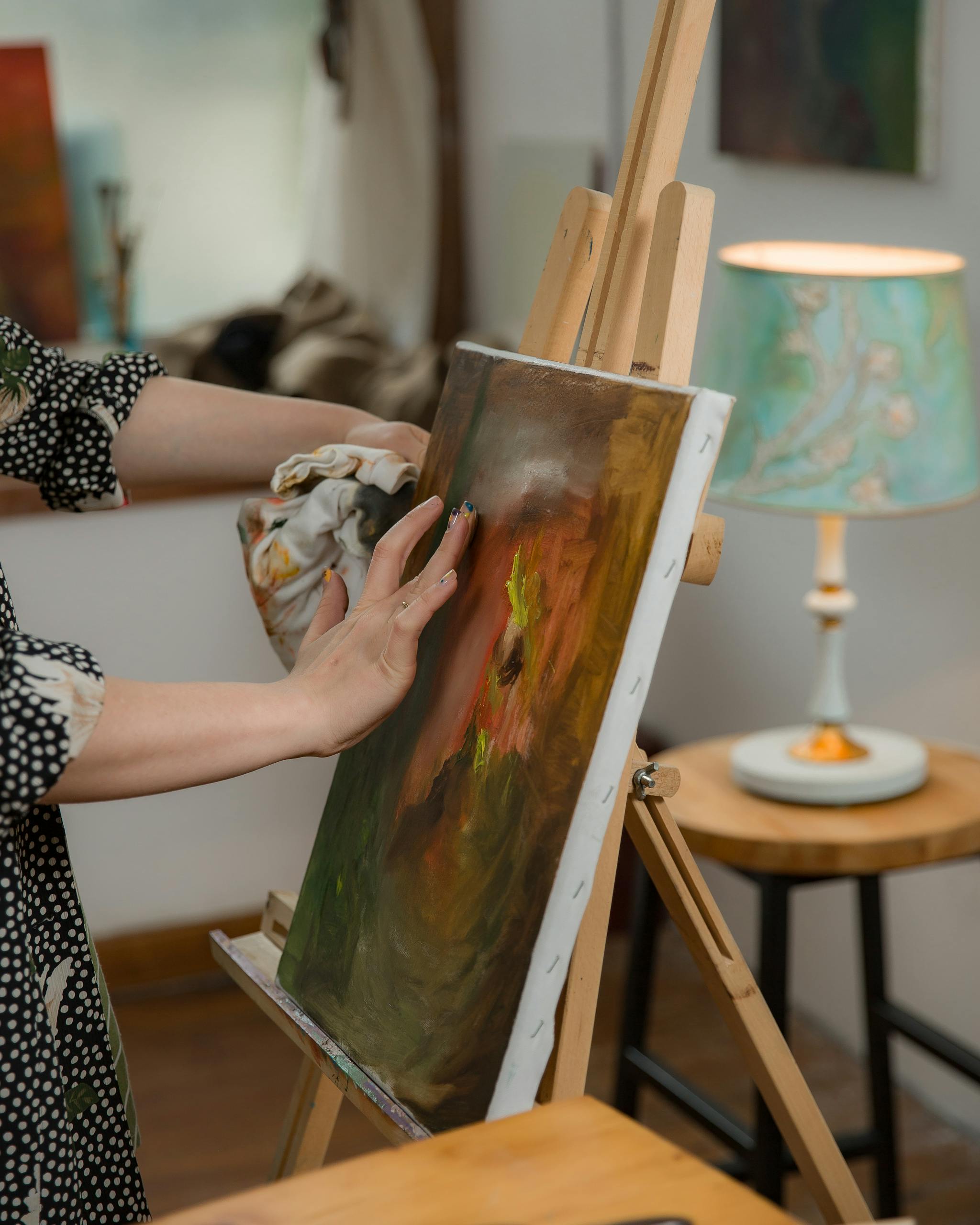
How to Start Painting in Retirement: A Beginner’s Guide for Seasoned Artists
Retirement is many things — relief, possibility, transition. For a growing number of older adults, it is also the moment they finally pick up a paintbrush. Maybe you sketched as a child and never continued. Maybe you always admired paintings in museums and quietly wondered if you could make something like that. Maybe someone handed you a box of watercolors at a party and something lit up.
Whatever brought you here: welcome. You are not too old. You are not too late. And you do not need to be “artistic” to begin.
Why Painting Is One of the Best Things You Can Do in Later Life
It is absorptive. Painting demands your full attention. When you are mixing color or trying to capture the curve of a bowl of fruit, there is no room for worry, regret, or to-do lists. Psychologists call this “flow” — the state of complete absorption in a challenging task. Regular access to flow states is associated with lower anxiety, better mood, and a stronger sense of meaning.
It is progressive. Unlike many activities, painting rewards sustained practice. You will notice yourself improving month by month, year by year. That arc of growth — seeing your work get better — is deeply satisfying at any age.
It is social if you want it to be. Classes, open studios, plein air groups, and art clubs offer community. But painting is also a perfectly good solitary activity for the days when you need quiet.
The research supports it. Studies in Germany found that visual art creation reduced stress reactivity in older adults and increased resilience. Regular art-making has also been linked to better fine motor control, improved focus, and — for some participants — slower cognitive decline.
Choosing Your First Medium
The most common question beginners ask is: What should I paint with? The honest answer is that there is no single right answer — but there are better starting points for most people.
Watercolor
Watercolor is transparent, luminous, and endlessly forgiving if you embrace its unpredictability. It is also low-cost: a basic set of watercolor pans, a few brushes, and a pad of watercolor paper will get you started for well under $50.
The challenge with watercolor is that it requires you to think ahead — you cannot paint light over dark. But this challenge is also what makes it interesting, and many older adult beginners find watercolor’s spontaneous quality freeing rather than frustrating.
Best for: Those who enjoy looseness, nature subjects (landscapes, flowers, seascapes), and working on a small scale.
Acrylics
Acrylic paint is water-soluble, dries quickly, and can be applied in thin, translucent layers or thick, textured ones. It is versatile, durable, and cleans up easily with soap and water. Acrylics are widely considered the most beginner-friendly paint medium because mistakes can be painted over easily once the paint dries.
Best for: Those who want a forgiving, flexible medium. Excellent for bold colors, textured work, and larger canvases.
Oil Paint
Oil paint is the classic medium — rich, slow-drying, and capable of extraordinary subtlety. Because it dries slowly, you have time to blend, adjust, and rework. Many painters find oils the most intuitive medium once they get past the initial learning curve.
Best for: Those who want to work carefully and methodically, enjoy portraiture or still life, and don’t mind a slightly longer setup and cleanup.
Gouache
Gouache (pronounced “gwash”) is an opaque, water-soluble paint that behaves somewhat like a cross between watercolor and acrylic. It has been used for centuries in illustration and is currently having a major revival in fine art.
Best for: Those who like bold, flat colors and graphic compositions. Also excellent for card-making and journal illustration.
What to Buy (Without Overspending)
A common beginner mistake is buying too much too soon. Here is a sensible starter list for acrylics that will not break the bank:
- Paint: A set of 12 basic acrylic colors (brands like Liquitex Basics or Golden Open are solid). You need red, blue, yellow, white, black, and a handful of earth tones — not 40 colors.
- Brushes: Three to five brushes in varying sizes. A flat brush, a round brush, and a fan brush will cover most needs. Spend moderate money on brushes — cheap ones shed bristles and frustrate beginners.
- Surface: Canvas boards (the flat, rigid kind) are cheaper than stretched canvases and stack easily. Start with a few 9×12 or 11×14 boards.
- Palette: A basic plastic palette or a sheet of wax paper works fine.
Total estimated cost: $40–$80 to get started. As you develop your practice, you will naturally discover which tools matter and which are marketing noise.
Finding a Class
Painting alongside others is genuinely different from painting alone. A good teacher will see what you cannot see in your own work. Other students will inspire, challenge, and encourage you. Classes also provide accountability: you show up because it is Tuesday and class is at 10 a.m.
- Local arts centers and community art schools: Most mid-sized cities have at least one nonprofit arts center offering classes for adult beginners. These are usually affordable ($10–$20 per class) and cater specifically to non-professional artists.
- Senior centers: Many offer free or subsidized painting classes, sometimes taught by professional artists. These groups tend to be warm, unhurried, and designed for older adult learners.
- Community colleges: Continuing education programs often include painting courses at very low cost, open to all ages and experience levels.
- Online platforms: YouTube offers thousands of free painting tutorials. Skillshare and Domestika offer affordable structured courses you can pause, rewind, and work at your own pace.
- Plein air groups: If you enjoy working outdoors, plein air (outdoor painting) groups meet regularly in parks, at scenic overlooks, and along waterfronts. These groups are almost always informal and welcoming to beginners.
Dealing With the Inner Critic
Here is something every beginning painter encounters: the voice that says your work is bad, that you have no talent, that you are fooling yourself. This voice is not unique to you. Every artist hears it, at every level of skill. A few ways to quiet it:
- Paint for process, not product. The goal of a painting session is not to produce a masterpiece. The goal is to show up, pay attention, and practice. Finished paintings are a side effect, not the point.
- Stop comparing your beginnings to other people’s middles. When you admire a skilled painter’s work, you are seeing the result of years or decades of practice.
- Paint badly on purpose. Give yourself a session where the explicit goal is to make a terrible painting. This removes the pressure and often produces some of your most interesting results.
- Keep your early work. Looking back at your first paintings six months later is one of the most encouraging things a new painter can experience.
A Few Painters Who Started Late
Grandma Moses began painting in earnest at 78, after arthritis made embroidery too painful. She became one of America’s most celebrated folk artists. Harry Lieberman took up painting at 80 and produced over 1,000 works in the following decades. Your timeline is your own. The canvas does not care when you arrived.
Next Steps
- Choose a medium (watercolor, acrylic, or oil) that appeals to you
- Buy a starter set — keep it simple and inexpensive
- Find one class, group, or online tutorial to try this month
- Set aside one regular time each week to paint
- Give yourself six months before you judge your progress
The first painting will be imperfect. The tenth will be better. The fiftieth will surprise you.
Related Articles
- Retirement Planning in Your 20s, 30s, and 40s: What You Should Be Doing Now
- Arts and Culture for Seniors: Your Complete Guide to a Richer, More Creative Life
- Anger and Resentment in Midlife: How to Process and Release What You’re Carrying
- Writing Your Memoir: A Guide for Seniors Ready to Tell Their Story