Cultural Immersion Travel: How to Go Beyond the Tourist Trail
There is a specific quality of travel experience that is difficult to describe in advance and impossible to forget after: the moment when the surface of a foreign culture gives way to something more real underneath — when you stop being a visitor observing from the outside and start, however partially and temporarily, to understand how people actually live. This is cultural immersion, and it is not available at tourist sites.
It is available through deliberate choices about how to travel: where to stay, what to do, who to seek out, and — perhaps most importantly — what to slow down enough to notice.
The Difference Between Tourism and Immersion
Tourism and immersion are not simply matters of budget or duration, though both help. They are fundamentally different orientations to the travel experience. Tourism is extractive: it approaches a destination as a source of experiences to be collected, photographed, and reported back. Immersion is participatory: it approaches a destination as a community to be understood, a way of life to be temporarily entered, a set of people worth engaging with on their own terms.
The tourist asks: “What are the best places to see here?” The immersive traveler asks: “What is this place actually like? How do people here spend their time? What do they care about? What do they find funny, or beautiful, or worth preserving?”
The answers to these questions are not available in guidebooks. They are available through extended time, genuine curiosity, and the willingness to follow interesting threads wherever they lead.
Accommodation That Creates Contact
Where you stay significantly shapes what kind of cultural contact is possible. A hotel in the tourist district insulates you from local life; a rented apartment in a residential neighborhood inserts you directly into it. The difference between buying breakfast at a hotel buffet and buying it from the woman at the corner bakery who has been serving the same neighborhood for thirty years is not just a matter of food quality — it’s the difference between consuming a city and beginning to know one.
For deeper immersion: homestay accommodations (booking through Homestay.com or local recommendations) place you in actual family homes, with all the awkwardness and genuine connection that implies. Language schools in many destinations offer accommodation with local families as a standard option. Agriturismos in Italy, chambres d’hôtes in France, casas particulares in Cuba — these are locally owned, small-scale accommodation options that put you in direct contact with local people rather than international hospitality professionals.
Language as a Portal
Even basic proficiency in the local language transforms the quality of cultural access available to you. Most cultural transmission happens in language — in conversation, in humor, in the texture of what people talk about and how they talk about it — and it is largely inaccessible through translation or gesture alone. You don’t need fluency to experience this shift; you need enough of the language to have real conversations about real things, however haltingly.
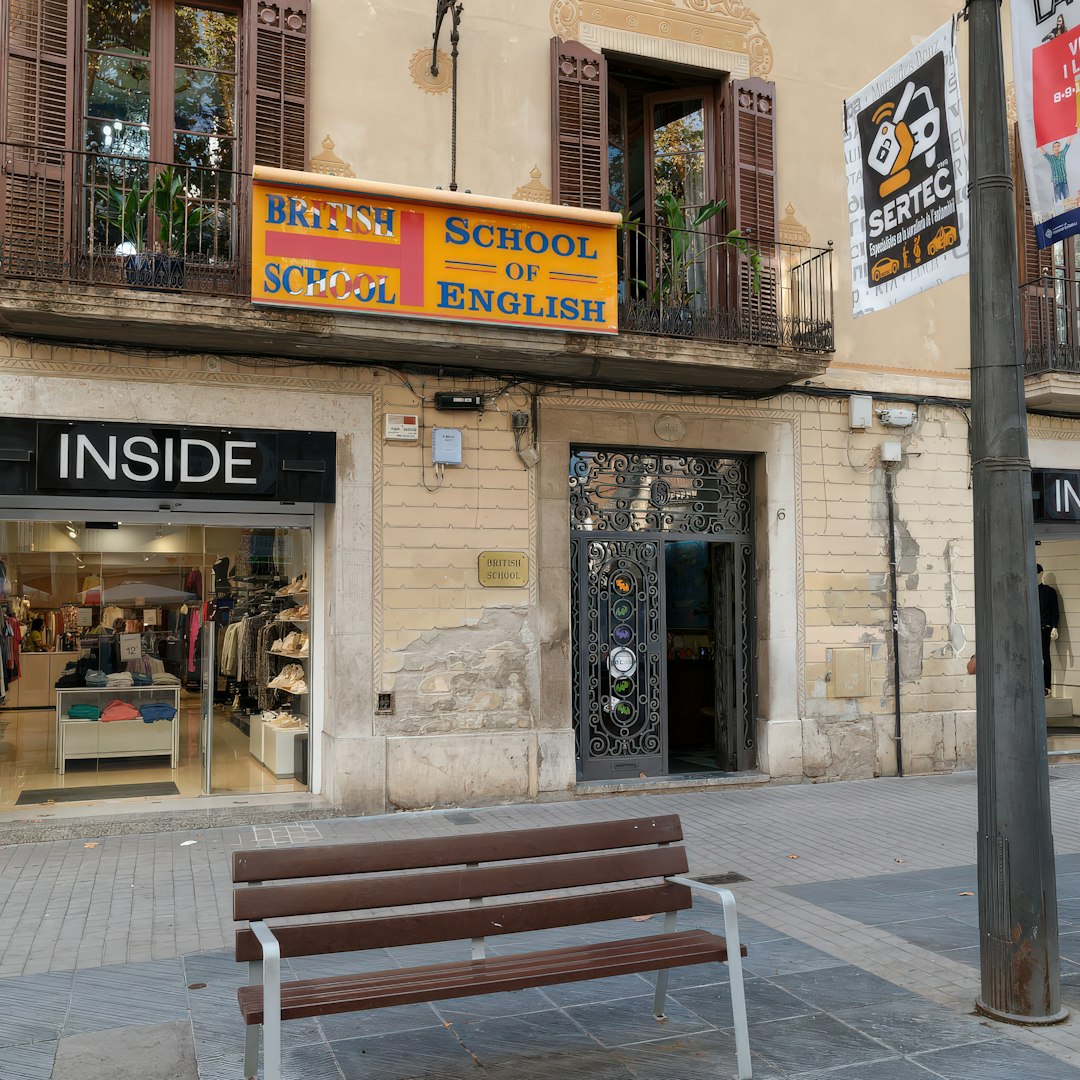
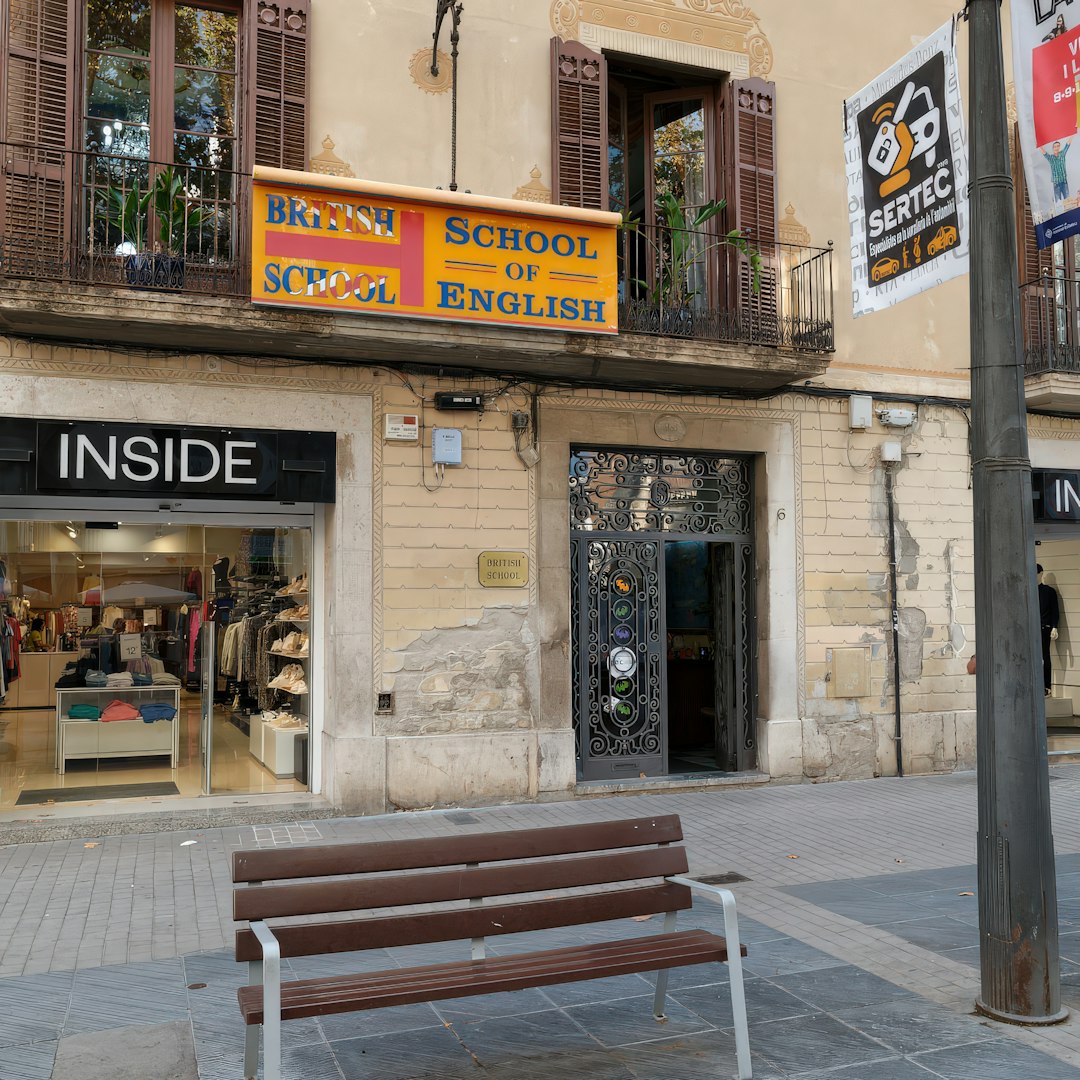
Taking a language class in your destination city serves multiple immersion functions simultaneously: you develop functional language skills, you establish a regular structured commitment that creates a social anchor, and you are immediately embedded in a community of people with shared interest in the local culture.
Structured Immersion Experiences Worth Seeking
A short list of experience categories that consistently deliver genuine cultural access rather than curated tourist presentation: cooking classes taught by local home cooks (not hotel chefs); market tours with a local guide who can explain what you’re looking at and buy ingredients to cook; craft workshops — pottery, weaving, woodworking — with local artisans who teach their traditional techniques; local sports attendance (a local football match in any city in the world provides direct access to how people express collective identity and joy); neighborhood walking tours led by local residents rather than professional tour guides; and volunteer commitments of any kind that put you in regular contact with local community members around a shared task.
The Patience Immersion Requires
The most honest thing to say about cultural immersion is that it takes longer than a week. The first week in any new culture is dominated by surface-level adjustment: navigating the practical logistics, orienting to the geography, and processing the sensory novelty. The genuine texture of a place — the rhythms, the humor, the unspoken rules, the specific quality of daily life — becomes available only after the novelty has faded and the ordinary has become, briefly, your ordinary too.
This is the argument for staying longer: not that you’ll exhaust a place in a week, but that you’ll only begin to really see it after a week has passed. The two-week trip that stays in one place gives you more genuine cultural access than the two-week trip that moves through five countries. The month-long stay gives you more than both.
Related Articles
- Theater and Live Performance: Why Nothing Else Quite Replaces Being in the Room
- The Cultural Adaptation Curve: What No One Tells You About Living Abroad Long-Term
- The Gift of Cultural Friendship: Why Connecting Across Cultures Changes You
- Dating Again After 50: How to Re-enter the Relational World With Clarity and Confidence

7 Responses
[…] Cultural Immersion Travel: How to Go Beyond the Tourist Trail […]
[…] Cultural Immersion Travel: How to Go Beyond the Tourist Trail […]
[…] Cultural Immersion Travel: How to Go Beyond the Tourist Trail […]
[…] Cultural Immersion Travel: How to Go Beyond the Tourist Trail […]
[…] Cultural Immersion Travel: How to Go Beyond the Tourist Trail […]
[…] Cultural Immersion Travel: How to Go Beyond the Tourist Trail […]
[…] Cultural Immersion Travel: How to Go Beyond the Tourist Trail […]