





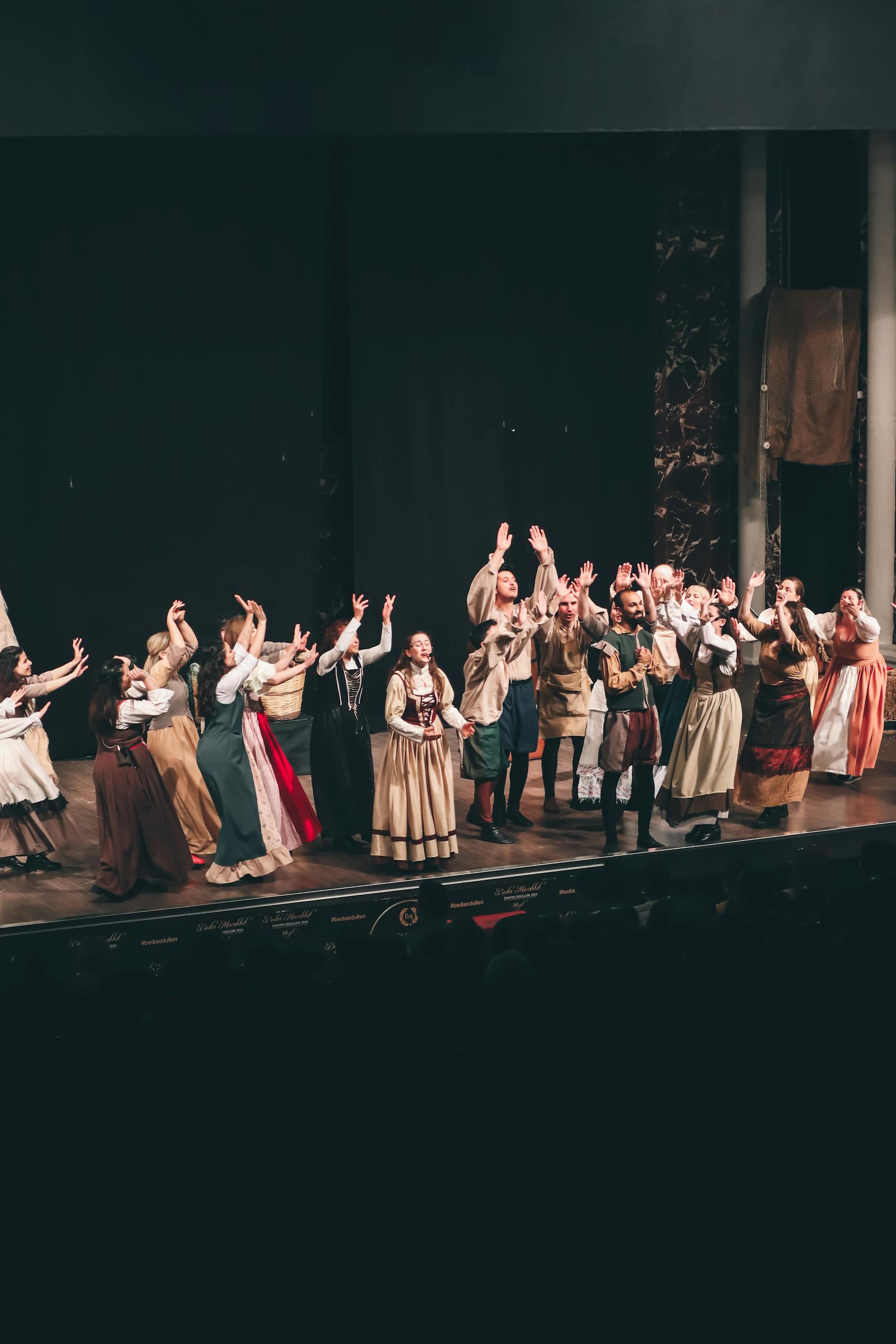
Theater and Live Performance: Why Nothing Else Quite Replaces Being in the Room
There is something that happens in a theater that cannot be reproduced, streamed, or approximated — a quality of experience so specific to live performance in a shared space that the people who have it regularly and the people who never have it are, in a meaningful sense, having different lives. This is not sentimentality or the bias of theater lovers toward their preferred form. It reflects something real about what live performance does that recorded media cannot: it puts you in the presence of other human beings doing something risky, unrepeatable, and alive, in real time, with consequences that feel genuine precisely because they are not controlled in advance.
The theater subscription that seemed like a luxury in the years when schedules were impossible and babysitters had to be arranged is, in the post-50 years, one of the most available and underused sources of regular cultural sustenance and social pleasure. And the range of what counts as theater — from Broadway touring productions to regional theaters presenting world premieres, from Shakespeare in city parks to immersive theater companies reinventing the relationship between audience and performer — is wider than most people who have been away from it for a decade realize.
The Varieties of Theater Worth Knowing
Broadway and touring Broadway productions — the large-scale commercial productions that dominate most people’s idea of what theater is — are one end of a very wide spectrum. They are expensive, typically spectacular in production values, and often adapted from films or built around familiar properties. They are entertaining and sometimes genuinely moving, but they represent neither the full range of what theater is nor its most artistically adventurous edge.
Regional nonprofit theater — the system of hundreds of nonprofit theaters across the country that present seasons of plays ranging from classical revivals to world premieres — is where much of the most interesting theatrical work in America is being made. Regional theaters like the Steppenwolf in Chicago, the Oregon Shakespeare Festival in Ashland, La Jolla Playhouse, and the Guthrie in Minneapolis have premiere records that rival Broadway and produce work that is more formally adventurous and culturally ambitious than the commercial theater. Subscription tickets at regional theaters are typically $30–$80 per performance — significantly less than Broadway — and subscriber relationships provide the first access to the most in-demand productions.
Smaller theater companies — black box theaters, fringe productions, experimental and immersive work — provide the most direct encounter with theater as a living, developing art form rather than a polished entertainment product. The production that is trying something that might not fully work, made by people who have staked real personal and financial risk on its success, has an energy that larger institutional productions often can’t match. Every major city has a small theater ecosystem worth exploring, and the price points are typically modest enough that experimentation is low-risk.
Dance: The Most Underattended Performing Art
Dance — ballet, modern, contemporary, and the full range of non-Western performance traditions — is among the most underattended of the performing arts despite being, for many people who encounter it seriously, one of the most powerful. The perceptual barrier to dance is real: without some basic understanding of what a dancer is doing technically and why certain things are remarkable, the uninitiated viewer can be left with appreciation for the obvious athleticism and not much access to the aesthetic and expressive content. This barrier is more surmountable than it appears, and a single conversation with someone who knows dance, or an hour of reading about a specific company before attending a performance, typically provides enough orientation that the experience opens up significantly.
Major ballet and modern dance companies most cities have several worthy of attendance; the American Ballet Theatre, New York City Ballet, Alvin Ailey American Dance Theater, and dozens of regional companies present seasons that offer entry points at every level of prior knowledge. Contemporary dance — the non-ballet work being made by choreographers working in the idiom of the present — is especially worth seeking out, as it is among the most formally alive and culturally urgent performance work being made in any medium.
Making Theater-Going a Practice
The difference between people who go to the theater regularly and people who go occasionally is almost entirely structural: the regulars have subscriptions and standing dates; the occasional attendees rely on impulse and convenience, which consistently yield less than intention and planning. A theater subscription — even a small one, four performances a year — commits you to a practice and puts specific dates on the calendar months in advance, which is how theater-going actually gets done against the competing claims of a busy life.
The conversation after a performance — the dinner or the walk home where you and whoever accompanied you process what you just experienced — is part of the experience itself, and not a minor part. Developing a regular theater companion or a small group that attends together and discusses what they’ve seen multiplies the value of each individual performance significantly. Theater seen together, talked about, argued over, and remembered in shared reference is theater that becomes part of the texture of a friendship or a marriage in ways that the solo streaming experience, however excellent, rarely does.