





How to Stay Fit and Healthy While Traveling After 50
The common narrative about travel and health is one of negotiated sacrifice: you accept that you’ll eat more, move less, sleep irregularly, and return home needing recovery. This narrative is neither inevitable nor accurate for travelers who approach the physical dimension of travel as deliberately as they approach the itinerary. Staying fit and healthy while traveling after 50 is not a matter of heroic discipline — it’s a matter of building straightforward systems that keep your physical baseline intact while you’re away from home.
Movement: The Easiest Health Win in Travel
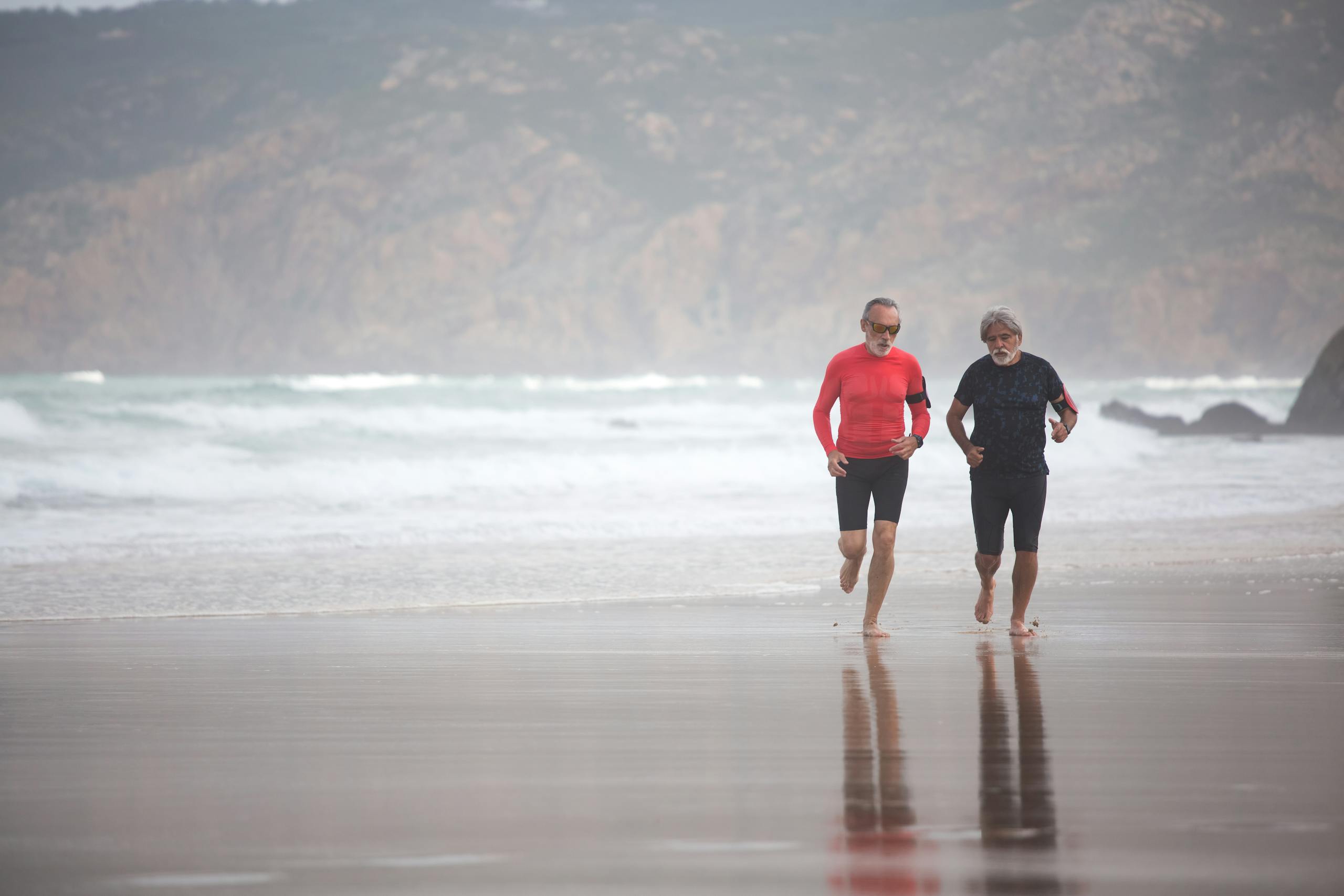
The irony of travel fitness is that the activity most conducive to health — walking — is the primary mode of exploration in most destination cities. A day of genuine sightseeing in Florence, Tokyo, or Buenos Aires involves 8–15,000 steps without any deliberate exercise programming. The walker who spends six hours exploring a city on foot has had an excellent cardiovascular day by any standard.
The challenge arises on travel days — airports, long drives, train journeys — when movement is severely restricted for hours at a stretch. For over-50 travelers, prolonged sitting creates both deep vein thrombosis risk (particularly on long-haul flights) and the stiffness and discomfort that makes the first day of a new destination less enjoyable than it should be. Compression socks on all flights over 4 hours, deliberate movement breaks every 90 minutes during travel, and a short walk or stretch immediately after arriving at accommodation address this directly.
Resistance Training on the Road
Cardio fitness is relatively easy to maintain through walking in most travel contexts. Resistance training — which becomes increasingly important for maintaining muscle mass, bone density, and metabolic health after 50 — requires more deliberate effort. Three approaches that work for different traveler types:
A bodyweight routine (push-ups, squats, lunges, planks, hip bridges) requires no equipment, takes 20–30 minutes, and can be done in any accommodation with enough floor space. For travelers who have an established strength practice, this maintains functional capacity well enough for trips of 2–3 weeks. The Nike Training Club app provides free bodyweight routines at various difficulty levels.
Resistance bands (a set weighs under 500 grams and fits in any bag) expand the range of resistance exercises available and allow sufficient progressive challenge for more advanced travelers. TRX suspension trainers, which attach to any door, provide a more complete resistance training system for serious travelers.
Hotel gym usage is worth building into your travel schedule if your accommodation has one. Even a basic hotel gym provides enough equipment for a 30-minute resistance session that maintains your training baseline. A 5–7am gym session before the day begins has the additional advantage of avoiding the disruption that mid-day or evening gym plans suffer when itinerary flexibility erodes them.
Eating Well Without Obsessing Over It
Travel eating presents two competing considerations: the genuine pleasure and cultural value of eating local food without restriction, and the reality that restaurant-heavy eating (particularly in cultures where portion sizes are large and vegetables are an afterthought) can significantly shift your nutritional intake over a two-week trip. The approach that works for most travelers: eat with genuine curiosity and without guilt, but anchor at least one meal per day — typically breakfast — with protein, vegetables, and sustained energy, rather than the pastry and café options that travel mornings often default to.
Self-catered accommodation solves much of this: a few items from a local market (eggs, yogurt, fruit, local bread) and a functioning kitchen give you control over at least one meal per day without sacrificing the restaurant experience for the others.
Sleep Across Time Zones
Sleep quality is the most significant health variable that travel disrupts — and the most important to protect, since virtually every other health function (immune function, cognitive performance, emotional regulation, physical recovery) depends on it. The jet lag strategies that most reliably work: arrive on the local schedule as quickly as possible (stay awake until local bedtime on arrival day even if exhausted); expose yourself to morning natural light on arrival day (light is the primary signal that resets the circadian clock); and use melatonin (0.5mg, not the 5–10mg doses typically sold in US pharmacies) to support sleep timing in the first 2–3 nights.
Alcohol, which many travelers use as a sleep aid, impairs sleep quality and accelerates dehydration — two effects that compound the negative impacts of jet lag. The evening glass of wine at dinner is a pleasure worth keeping; using alcohol as a sleep aid is worth avoiding.