





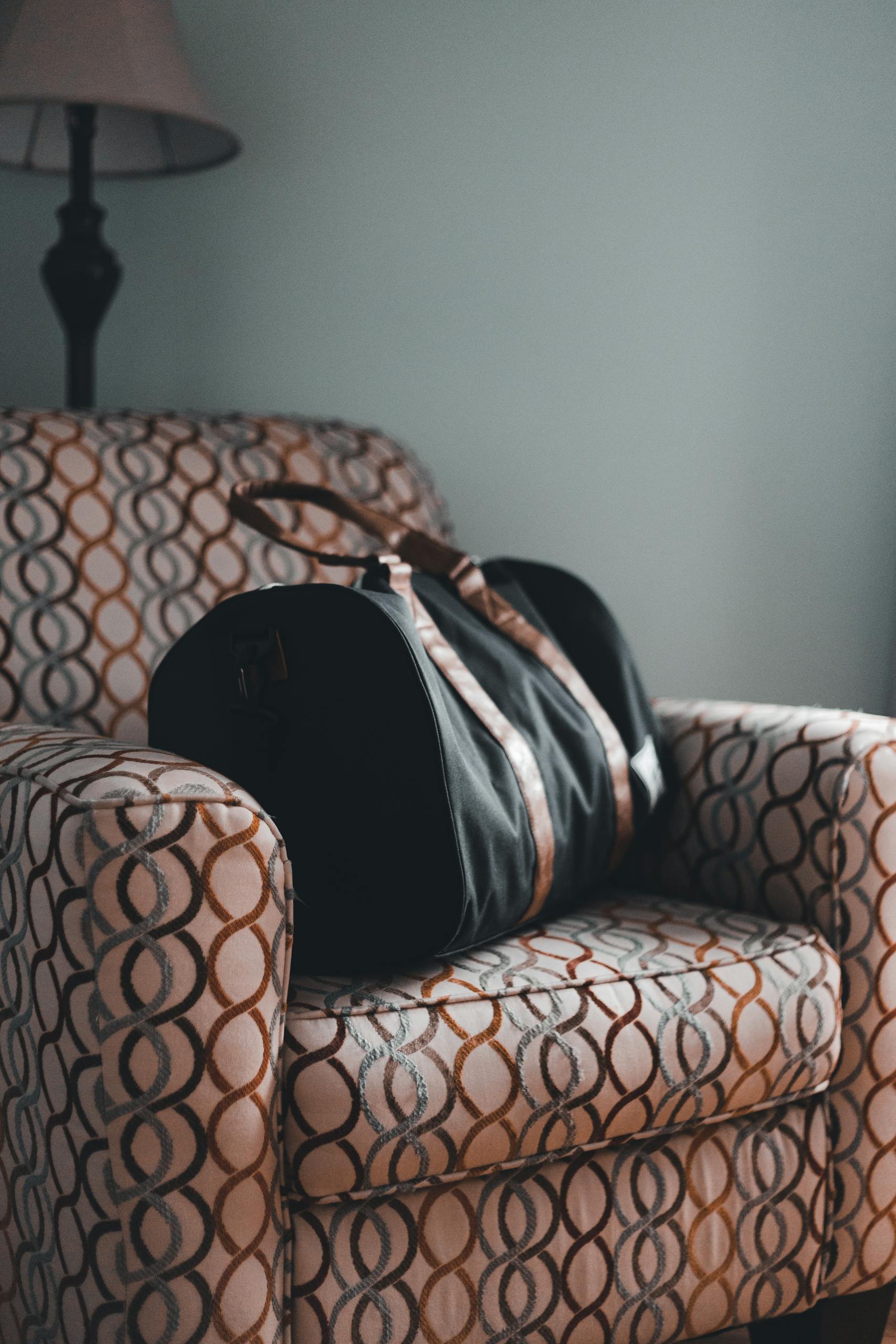
Pack Once, Go Anytime: The Always-Ready Overnight Bag System
The always-ready overnight bag is one of those ideas that sounds simple until you actually build one — and then it transforms how you live. The principle is straightforward: keep a bag permanently packed with everything you need for one to two nights away, stored and ready to go at all times. When the impulse strikes to get away for a night — or when an opportunity arises with little notice — you add a change of clothes, grab the bag, and leave. No packing. No searching for toiletries. No mental checklist. You are simply ready.
When you return, you do one thing: replenish. You replace whatever you used — the toothpaste that got low, the contact lens solution that ran out, the phone charger you borrowed for home use — and the bag goes back to its place, ready for next time. The system maintains itself with ten minutes of attention after each trip.
This is not complicated. But it requires an initial investment of thought and money — buying the duplicates that make the system work — and the discipline to actually replenish rather than cannibalize the bag for everyday use. Those who commit to it describe it as genuinely life-changing for their travel frequency.
Building the Bag: The Core Philosophy
The overnight bag works because it contains duplicates of your essentials — not the originals pulled from your bathroom and bedroom, but a second set purchased specifically for the bag and never used for anything else. This is the non-negotiable foundation of the system. The moment you start pulling items from the bag for home use (“I’ll just borrow the travel toothpaste until I buy more”), the system begins to degrade.
Think of the bag as its own small household — a compressed version of the things you need to function comfortably for a night or two, living permanently in the bag rather than in your home. When you buy toiletries, you buy for the bag as well as for home. When a product in the bag runs low, replenishing it is as automatic as replenishing the same product at home.
The Complete Overnight Bag List
Toiletries and personal care:
- Toothbrush (a dedicated travel one, ideally with a case) and travel-size toothpaste
- Deodorant — a full-size spare, not a travel-size that runs out after two uses
- Shampoo and conditioner (2-in-1 or separate, in leak-proof travel bottles you keep filled)
- Body wash or a travel-size bar soap
- Face wash, moisturizer, and any skincare products you use daily — in travel sizes kept permanently in the bag
- Razor and shaving cream or, if you use an electric razor, the travel version or the charger
- Hairbrush or comb
- Hair dryer (many accommodations provide one, but a compact travel dryer weighing under a pound is worth having if you depend on it)
- Feminine hygiene products as needed
- Sunscreen — a travel size, replenished when it runs low
- Lip balm
- Nail file
Medications and health:
- A small pill organizer stocked with a two-day supply of your regular medications — replenished after every trip and checked monthly even if no trips occur
- Over-the-counter essentials: pain reliever (ibuprofen or acetaminophen), antihistamine, antacid, anti-diarrheal, and any remedy you regularly reach for
- A few bandages and antiseptic wipes
- Any prescription topical treatments, eye drops, or specialty items specific to your health needs
- If you wear glasses: a spare pair or at minimum a current prescription written out, plus your glasses case and cleaning cloth. Contact lens wearers: a backup case, solution, and a small supply of daily lenses
Tech and connectivity:
- Phone charger — buy a dedicated one for the bag and leave it there. This single item is the most commonly forgotten item in short-trip packing.
- A small portable battery pack (power bank), charged and kept in the bag
- Earbuds or headphones, travel size
- Any other device chargers you consistently need (tablet, hearing aid, CPAP travel adapter)
- A universal adapter if you occasionally travel to different regions
Comfort and convenience:
- A sleep mask — invaluable in unfamiliar rooms with different light conditions
- Earplugs — hotel corridors, street noise, and unfamiliar sounds disrupt sleep for many people
- A small flashlight or your phone’s flashlight accessed easily
- A reusable shopping bag, folded flat — endlessly useful
- A small amount of cash in small bills, kept in the bag’s inside pocket and replenished after use
- A pen and a small notepad
- A spare set of keys if you regularly lock up at home
What the bag does NOT contain: clothing (added fresh for each trip), perishables, your primary wallet and ID (taken from wherever you normally keep them), and your current reading material. The bag handles everything that is the same on every trip; the small additions handle what is specific to this one.
Choosing the Right Bag
The bag itself matters. It should be large enough to hold everything above plus two days of clothing without being jammed, but small enough to function as a carry-on if needed and to store without dominating a closet. A soft-sided duffle of approximately 30–40 liters is the sweet spot for most people. A few features worth prioritizing: multiple pockets (so the toiletry kit, medications, and tech accessories are organized separately), a waterproof or water-resistant base, comfortable carrying handles and ideally a shoulder strap, and a distinctive appearance or luggage tag so it is immediately identifiable.
Many experienced short-trip travelers use a packing cube system inside the bag: one cube for toiletries, one for medications and health items, one for tech. Packing cubes are inexpensive ($15–$30 for a set), keep the bag organized without any effort, and make replenishing easy — you see exactly what is in each cube and what needs replacing.
The Replenishment Ritual
Within 24 hours of returning from any trip, do one thing: replenish the bag. Replace anything used, wash anything that needs washing, recharge the power bank, top up the medication organizer. This takes ten minutes. It is the entire maintenance cost of the system.
The people whose overnight bag systems fail almost always fail at this step. They return from a trip tired, leave the bag in the corner for a few days, and find that by the time the next opportunity arises, the bag is depleted and the packing step has crept back in. The ritual of replenishment, done immediately and consistently, is what makes the system permanent rather than occasional.
Once the bag is built and the replenishment habit is established, you have removed the single largest barrier to spontaneous short travel. The trip becomes as easy as deciding to go — which, it turns out, is the only kind of easy that matters.
Now the only question is where to go. For inspiration on day trips and overnights near you, tripsnearby.com is a useful starting point — browse destinations within your reach and start building the list of places your newly ready bag is waiting to take you.
[…] Pack Once, Go Anytime: The Always-Ready Overnight Bag System […]