





River Cruising vs. Ocean Cruising: Which Is Right for You?
Cruising has undergone a significant reputational rehabilitation among experienced travelers over the past decade. The image of the mega-ship floating city — all-you-can-eat buffets, casinos, and 5,000-passenger crowds — remains accurate for a segment of the cruise market. But it describes neither river cruising nor the premium ocean cruise lines that have attracted a very different traveler with a very different set of priorities. Understanding the genuine differences between the categories helps you decide whether any form of cruising belongs in your travel repertoire, and if so, which.
River Cruising: What It Actually Is
River cruising bears almost no resemblance to ocean cruising beyond the fact that both involve a boat. The ships are small (typically 100–200 passengers) — small enough to navigate European rivers and canals, dock in the center of historic cities, and provide a genuinely intimate, quiet onboard experience. The passenger demographics skew older and culturally engaged. The programming is centered on history, art, and culture rather than entertainment. And the onboard environment — without ocean swell, without casino noise, without the logistical complexity of managing thousands of passengers — is genuinely peaceful.
The European river cruise is the category’s flagship offering: a week to three weeks on the Rhine, Danube, Rhône, Seine, or Douro, docking daily in historic cities and towns, exploring with guided tours or independently (most river cruise lines allow passengers to explore on their own), and returning each evening to a comfortable cabin with a water view. The onboard experience is secondary to the shore experience; the ship is a comfortable mobile hotel rather than a destination in itself.
Ocean Cruising at the Premium Level
The major distinction in ocean cruising is between mass-market and premium/ultra-luxury. Mass-market lines (Carnival, Royal Caribbean, Norwegian) optimize for entertainment and volume; premium and ultra-luxury lines (Viking Ocean, Oceania, Azamara, Seabourn, Silversea) optimize for destination engagement and culinary and cultural quality. The latter category competes directly with river cruising for the culturally engaged older traveler.
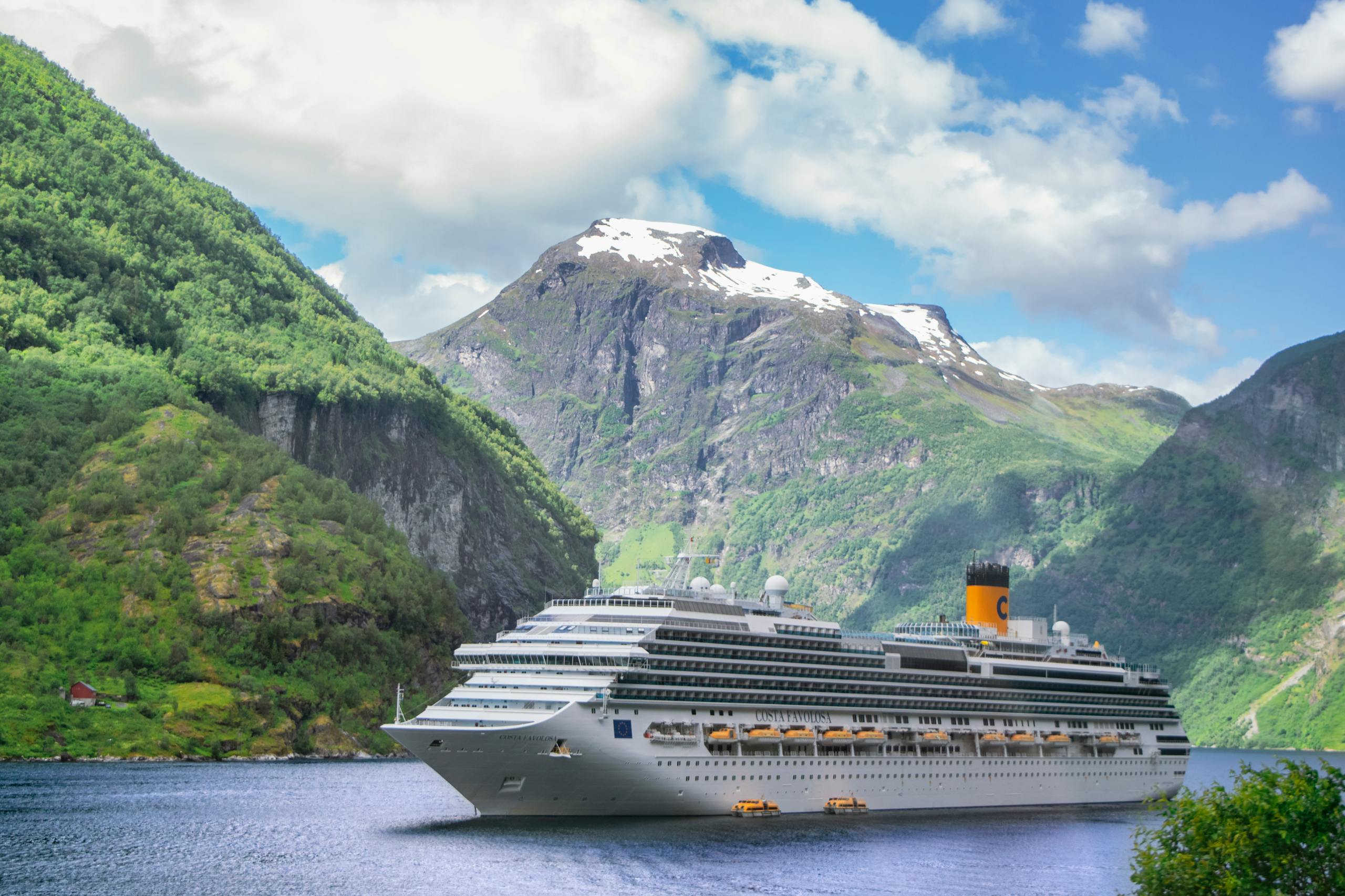
Premium ocean cruising offers geographic range that river cruising cannot match: Antarctica, the Norwegian fjords, the Greek islands, Japan’s inland sea, Southeast Asia’s coastlines. It allows access to destinations that are genuinely difficult or expensive to reach any other way, with the logistics entirely managed. For travelers who value ease of logistics alongside destination variety, premium ocean cruising provides a compelling combination.
Key Differences to Weigh
Motion sickness: River cruising has essentially no motion sickness risk; even people who have struggled on ocean voyages find river cruising completely comfortable. Ocean cruising, even on modern stabilized ships, involves some degree of swell in open water. For travelers with sensitivity to motion, this is a significant practical consideration.
Destination density: River cruising visits more ports more often — often docking in a new town every morning. Ocean cruises on longer voyages have more sea days (days between ports). Travelers who want constant new destinations will prefer river; those who enjoy the onboard experience and don’t mind sea days may prefer ocean.
Cost: Both categories are more expensive than independent travel to the same destinations. River cruising is expensive per day (typically $350–$600/person/day for mainstream lines, significantly more for luxury) but includes almost everything. Premium ocean cruising varies widely by line and itinerary. The comparison that matters is not the daily rate but the total cost including flights, hotels, meals, and activities for an equivalent independent itinerary — which is often surprisingly close.
Social experience: Both categories tend to attract similar demographics — educated, well-traveled, culturally engaged adults over 50. The social environment on a 150-passenger river ship is more intimate and community-building than on a 700-passenger ocean ship; you tend to know most of the other passengers by the end of a week.
Who Should Try River Cruising
River cruising is well-suited to: first-time or inexperienced solo European travelers who want the logistics handled; couples where one partner is less comfortable with independent travel planning; anyone who wants to see multiple European countries in two weeks without managing hotels, trains, and transfers independently; and travelers who want a high-quality, culturally rich experience without the complexity of independent travel.
It is not ideal for: adventurous independent travelers who find organized tours constraining; travelers on tight budgets; those who want significant onboard amenities (pools, multiple restaurants, entertainment); or people who have already independently explored European river destinations in depth.
Related Articles
- Roth IRA vs. Traditional IRA: Which Is Right for You?
- Adult Stepchildren: Why This Is the Hardest Relationship in Any Blended Family — and How to Navigate It
- International Travel Over 50: Pacing, Comfort, and the Right Trip Shape
- Cultural Travel After 50: How to Experience a Place Through Its Art, History, and Living Traditions
[…] River Cruising vs. Ocean Cruising: Which Is Right for You? […]