





Road Trips After 50: How to Plan the Perfect American Drive
The American road trip is one of the great travel experiences available to anyone — and it is, in specific ways, better in your 50s and beyond than at any earlier stage of life. You have the time to actually take the scenic route. You have the financial resources to stay somewhere comfortable at the end of a long day rather than the cheapest thing on the map. You have accumulated enough context about American history, geography, and culture to understand what you’re seeing rather than simply passing through it. And you are no longer in any particular hurry.
The Three Types of American Road Trips
Before planning, it’s worth clarifying what kind of road trip you’re actually doing, because the planning requirements are different for each.
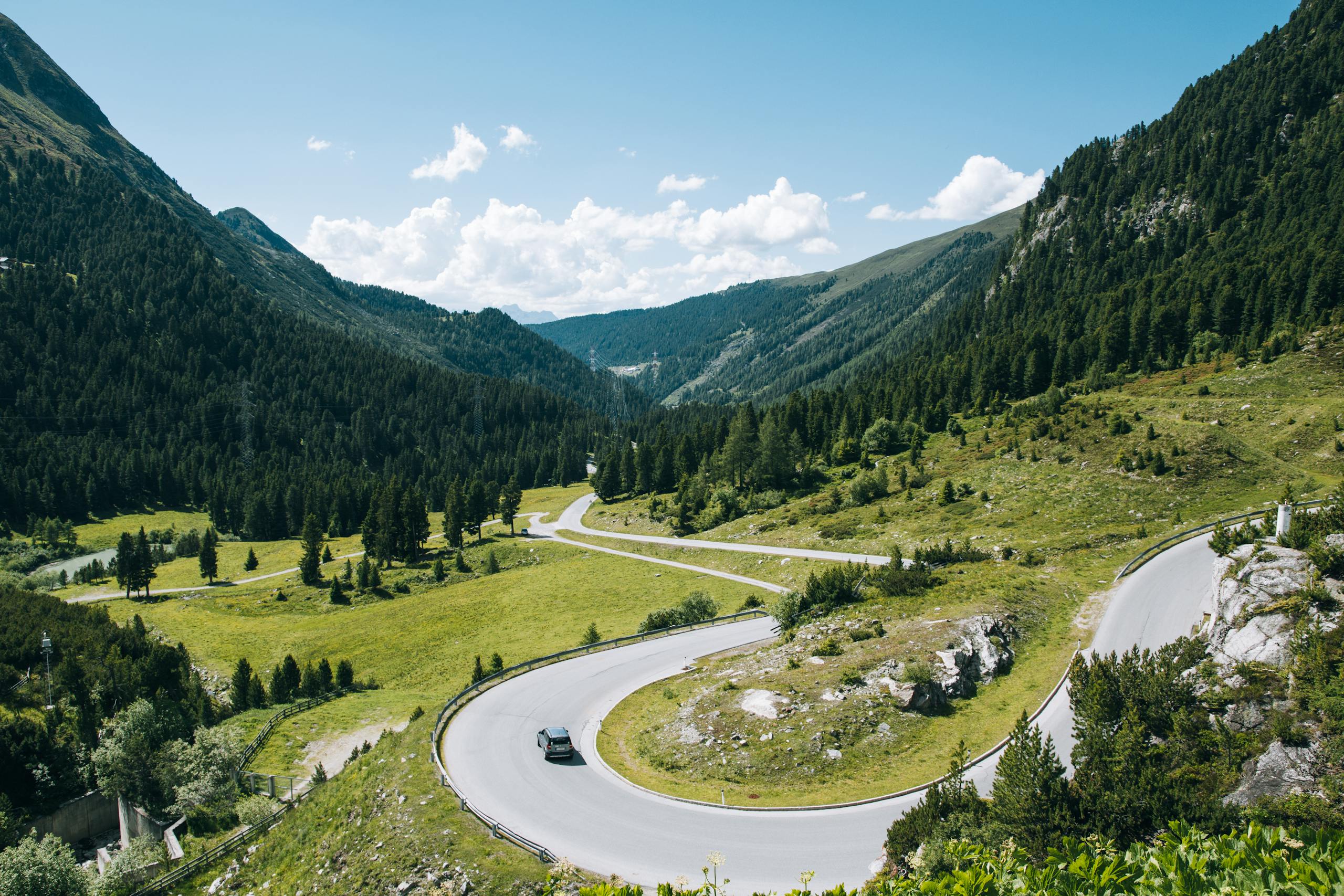
The scenic drive is organized around the landscape itself — the national parks, the coastal highways, the mountain passes. Think Pacific Coast Highway, the Blue Ridge Parkway, Going-to-the-Sun Road in Glacier National Park, or the Grand Circle through Utah’s canyon country. These trips are primarily about the visual and natural experience, and their pacing is determined by the landscape rather than a destination.
The cultural route is organized around places and experiences rather than scenery — a route through the American South tracing the Civil Rights movement, a drive through the Mississippi Delta following the origins of blues music, a Southwest journey through Indigenous cultural sites and Spanish colonial architecture. These trips require more research and more time at each stop, but they produce the deepest engagement with American history and culture.
The destination-based drive treats the car trip as the path between fixed endpoints — spending 3 weeks driving from New York to New Orleans with a specific itinerary of stops. This is the most common type of road trip and the one with the most planning flexibility.
Planning Essentials
The non-negotiables for planning a comfortable over-50 road trip: limit driving days to 4–6 hours of actual driving (not total elapsed time), with earlier starts to avoid afternoon fatigue and weekend traffic. Build genuine rest days into the itinerary — one full non-driving day for every 3–4 driving days — rather than filling every day with movement. Prioritize your accommodation choices: a comfortable bed and good shower after a long driving day matters more than it did at 25. And plan the logistics of national park visits in advance; peak-season reservations for popular parks like Yellowstone, Grand Teton, and Yosemite need to be made months ahead.
The Best Road Trips for Over-50 Travelers
Pacific Coast Highway (California): The PCH from San Francisco to Los Angeles — or better, the full route from the Oregon border to San Diego — is among the most beautiful drives in the world. The Big Sur stretch, with its dramatic cliffs and crashing Pacific, is the showpiece; Carmel, Cambria, and Santa Barbara provide excellent stopping points. Two weeks minimum to do it properly.
The Grand Circle (Utah/Arizona): Zion, Bryce Canyon, Capitol Reef, Canyonlands, Arches, Monument Valley, and the North Rim of the Grand Canyon within a single driving loop. The concentration of extraordinary landscape in this region is unmatched anywhere in the US. The best time is May or September-October; summer heat in the canyon country can be extreme and physically demanding.
Blue Ridge Parkway (Virginia/North Carolina): The most-visited unit in the National Park System — 469 miles of ridgeline driving through the southern Appalachians, without a single stoplight. Peak fall foliage (mid-October) is extraordinary; the spring wildflower season (April-May) rivals it. The towns along the route — Asheville, Boone, Floyd — provide excellent food and accommodation at reasonable prices.
Vehicle Considerations
The vehicle you drive matters more for comfort on extended road trips than most people account for in their planning. A comfortable seat with good lumbar support becomes genuinely important after 300 miles a day. Adaptive cruise control and lane departure warning reduce fatigue significantly on long highway stretches. A reliable navigation system that includes current traffic and road condition data (Google Maps or Waze on a mounted phone) is more useful than a dedicated GPS device. And for trips through remote terrain — the American Southwest, the Montana-Wyoming backcountry — additional water, a basic roadside emergency kit, and a downloaded offline map for areas without cell service are worth having.
[…] Road Trips After 50: How to Plan the Perfect American Drive […]