





The Perfect Day Trip Bag: Grab It, Go, and Never Wish You Had Packed Differently
The day trip bag is different from the overnight bag. It is smaller, lighter, and focused on a different set of needs: keeping you comfortable, fueled, and spontaneity-ready for a day of exploring without the weight of accommodation requirements. Done well, it is the bag you reach for without thinking — the one hanging by the door that you grab when you leave the house for anything more than a quick errand, because you know it has everything you might need.
Like the overnight bag, the day trip bag works best as a permanent system rather than something assembled fresh for each outing. The base kit — everything that is always in the bag — requires no preparation. The additions for a specific trip (a particular snack, a specific destination’s requirements) are minimal. The result is a bag you can pick up and walk out the door with in under two minutes, confident that you are equipped for whatever the day offers.
The Core of the Day Bag: Hydration First
The single most important item in any day bag is water. This is not a minor practical point. Dehydration is one of the most common causes of fatigue, headache, difficulty concentrating, and diminished mood — and adults over 50 are specifically more vulnerable to dehydration than younger people, both because the sensation of thirst becomes less reliable with age and because many medications increase fluid loss. A day of exploring a city, walking through a market, or hiking a trail without adequate hydration is a day of steadily declining energy and pleasure.
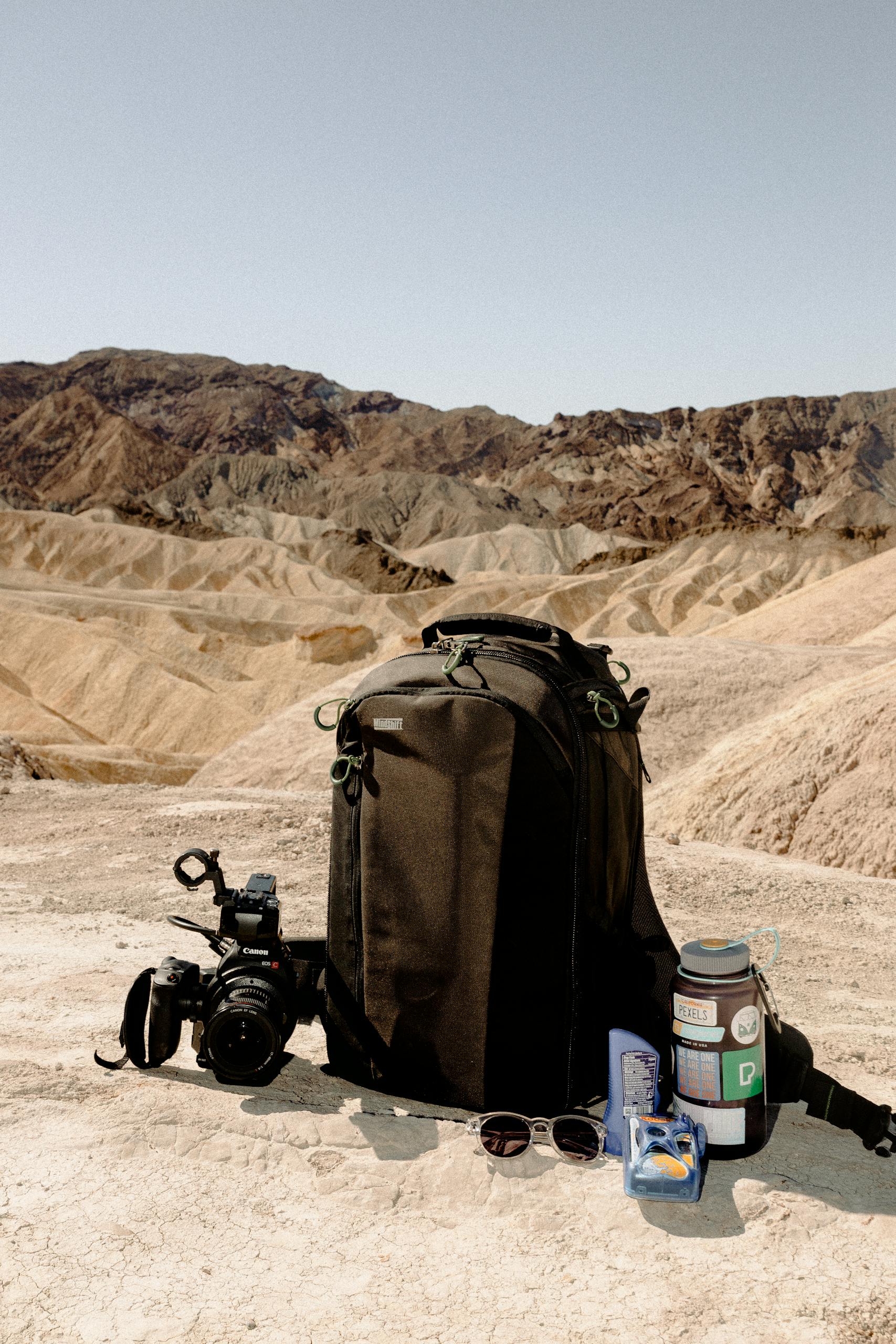
The solution is a quality reusable water bottle that lives in the day bag. Not a plastic bottle from the convenience store but a proper insulated bottle — stainless steel or insulated plastic — that keeps water cold for hours, holds at least 20 ounces (ideally 32 ounces), and is easy to refill. Bottles from brands like Hydro Flask, Stanley, and Nalgene are durable enough to last years. The bottle sits in the bag’s water bottle pocket (or a side pocket), always there, refilled before every departure.
A note on hydration strategy for day trips: drink water consistently throughout the day rather than waiting until you feel thirsty. By the time thirst registers consciously, mild dehydration has already set in. A habit of taking a few sips every thirty to forty-five minutes — particularly on warm days or during physical activity — maintains energy and focus in a way that reactive drinking does not.
Snacks: The Architecture of Sustained Energy
The other foundational element of the day bag is food. Not a full meal, but a thoughtful selection of snacks that sustain energy, prevent the blood sugar crashes that produce irritability and fatigue, and remove the dependency on whatever happens to be available when hunger strikes.
The best day trip snacks share several characteristics: they are calorie-dense but not heavy, they do not require refrigeration, they do not crumble or melt messily, and they provide a mix of protein, healthy fat, and complex carbohydrates rather than a burst of simple sugar followed by a crash. Some reliably excellent options:
- Nuts and nut mixes: Almonds, cashews, walnuts, and mixed nuts are among the most nutritionally efficient snacks available — rich in protein, healthy fat, magnesium, and vitamin E. A small resealable bag of nuts weighs almost nothing and sustains energy for hours. Buy in bulk and keep a portion in the bag, refreshed every few days.
- Nut butter packets: Single-serving packets of almond or peanut butter (widely available from brands like Justin’s) are portable, filling, and versatile. Eaten alone or with an apple, they provide protein and fat that anchor blood sugar for hours.
- Whole food bars: Larabar, RXBar, Kind bars, and similar whole-ingredient bars provide sustained energy without the sugar spike of conventional granola bars. Keep two or three in the bag as backup fuel.
- Dried fruit: Apricots, figs, raisins, and cranberries are concentrated sources of fiber and natural sugar, best combined with nuts to slow absorption.
- Dark chocolate: A few squares of 70%+ dark chocolate provide antioxidants, a modest caffeine lift, and the specific pleasure of something that feels indulgent but is actually a reasonably healthy snack.
- Fresh fruit for the departure: An apple, a banana, or a small container of grapes added to the bag on the morning of a trip provides fresh hydration and fiber. These do not live permanently in the bag but are easy additions at departure.
The permanent snack inventory in the bag — nuts, bars, dried fruit — should be refreshed every week or two regardless of whether a trip has occurred. Stale nuts and expired bars are both unpleasant and wasteful. A quick check when you replenish the water bottle is all the maintenance required.
Comfort and Practical Essentials
Sunscreen: A travel-size sunscreen, kept in the bag and replaced when it runs low. Photoaging and skin cancer risk are real concerns for older adults, and applying sunscreen at home before a day trip does not account for the hours of intermittent sun exposure that accumulate during a day of exploring.
Lip balm with SPF: One of the most overlooked sun protection items and one of the most useful comfort items on a dry or windy day.
A compact foldable umbrella: Invaluable for the day that starts clear and turns rainy by noon, or for the blazing midday sun that makes shade suddenly urgent. A compact umbrella weighing under 12 ounces takes up almost no space and eliminates the category of miserable, weather-ruined outings entirely.
A light packable layer: A thin windbreaker or a lightweight long-sleeve shirt that folds into its own pocket. Temperatures in a city vary more than expected, and air conditioning in restaurants and shops can be aggressive in summer. The layer that lets you be comfortable everywhere goes a long way toward making a day of exploration pleasant rather than effortful.
Sunglasses and a hat: These may live permanently in the bag or be added at departure depending on your preference. Both are genuinely protective (UV exposure accumulates cumulatively over a lifetime) and both make outdoor exploration dramatically more comfortable on bright days.
Pain reliever: Two ibuprofen or acetaminophen in a small travel pill case. The headache or sore feet that develop at hour six of a city walk should not cut a day short when the remedy weighs half an ounce.
A small first aid kit: A couple of bandages, an antiseptic wipe or two, a blister pad. Blisters in particular — the silent saboteur of walking-intensive day trips — are entirely manageable with a blister pad applied early and entirely ruinous if ignored. Moleskin blister pads or Compeed blister plasters are compact enough to forget they are there until the moment they become invaluable.
Phone charger and small power bank: Your phone is your map, your camera, your communication device, and your research tool on a day trip. A dead phone at 3 p.m. turns a pleasant adventure into a navigation problem. A small power bank (10,000 mAh is compact enough for a day bag and large enough to fully charge most smartphones twice) removes this concern entirely.
A small amount of cash: Many local shops, farmers market vendors, and small-town restaurants still prefer or require cash. A small envelope with $40–$60 in mixed denominations, kept in the bag’s inside pocket, handles these moments without the detour to an ATM.
The Bag Itself
A day bag for this purpose should be a compact daypack or a crossbody bag of 15–25 liters — large enough to hold a water bottle, a small umbrella, a packable layer, and the various smaller items, but small enough to feel comfortable over a day of walking. Backpack-style distributes weight better for long walking days. Crossbody or sling-style allows easier access and a lower profile in urban environments. Both are valid; your walking patterns and comfort preference should guide the choice.
Look for a bag with an external water bottle pocket (essential), a separate interior pocket for valuables and small items, and ideally some water resistance. Brands like Patagonia, Osprey, Bellroy, and REI’s house brand all offer excellent day packs in this range at various price points.
The Five-Minute Morning Add
The day bag system requires one thing each morning of a trip: the five-minute add. Fill the water bottle. Grab a fresh piece of fruit from the kitchen. Check that the snacks are stocked. Put on sunscreen. Pick up your wallet, phone, and keys. These five minutes are the entire packing requirement for a day trip — and they are available because everything else is already done.
This is the gift of the ready system: not that it eliminates all preparation, but that it reduces preparation to a minimum that anyone can accomplish without effort. The barrier to going is as low as it can be. What’s left is simply the decision — and then the pleasure of the day itself. If the only thing you’re still missing is a destination, tripsnearby.com is a good place to find one.
[…] The Perfect Day Trip Bag: Grab It, Go, and Never Wish You Had Packed Differently […]