The Best European Cities for Travelers Over 50
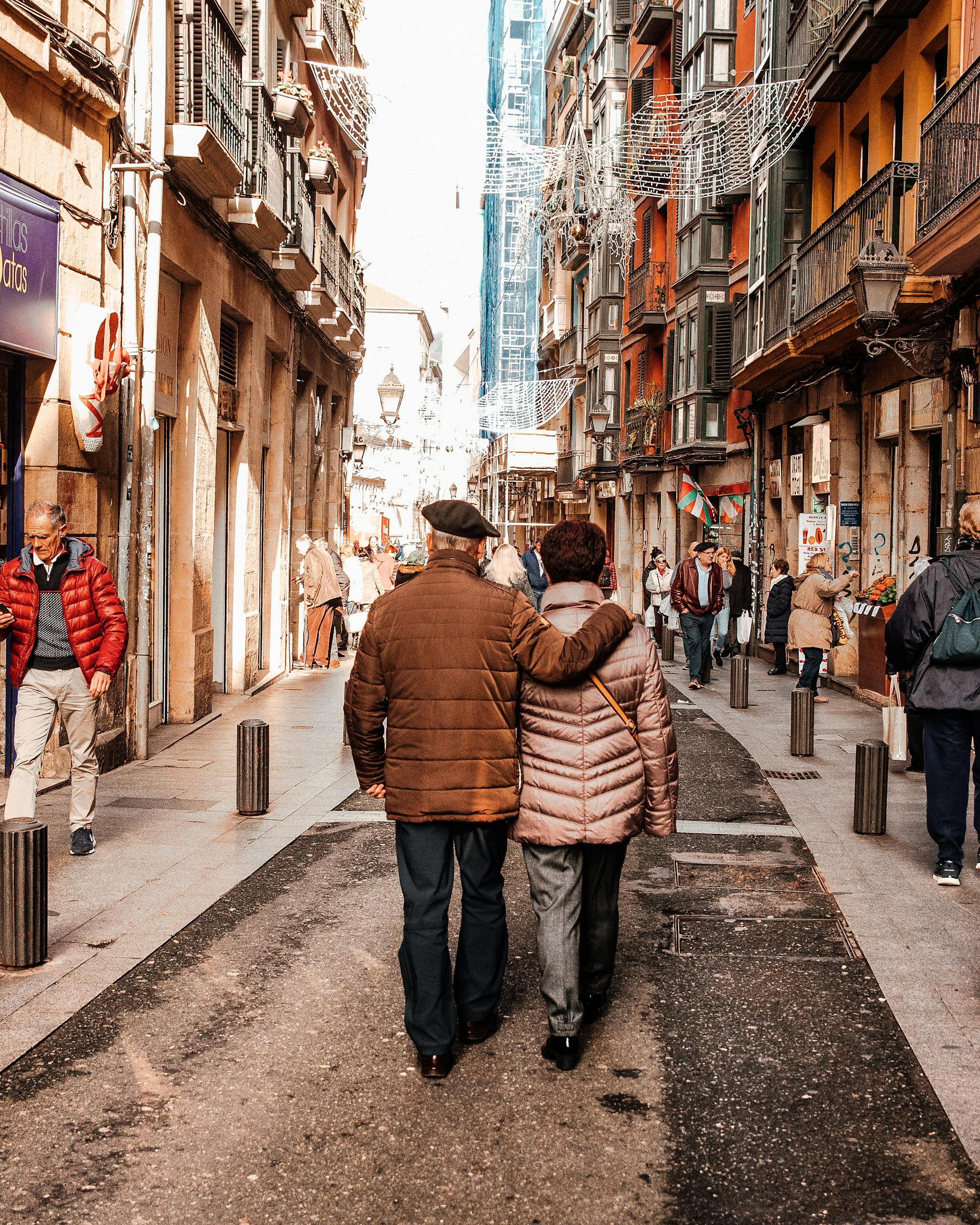
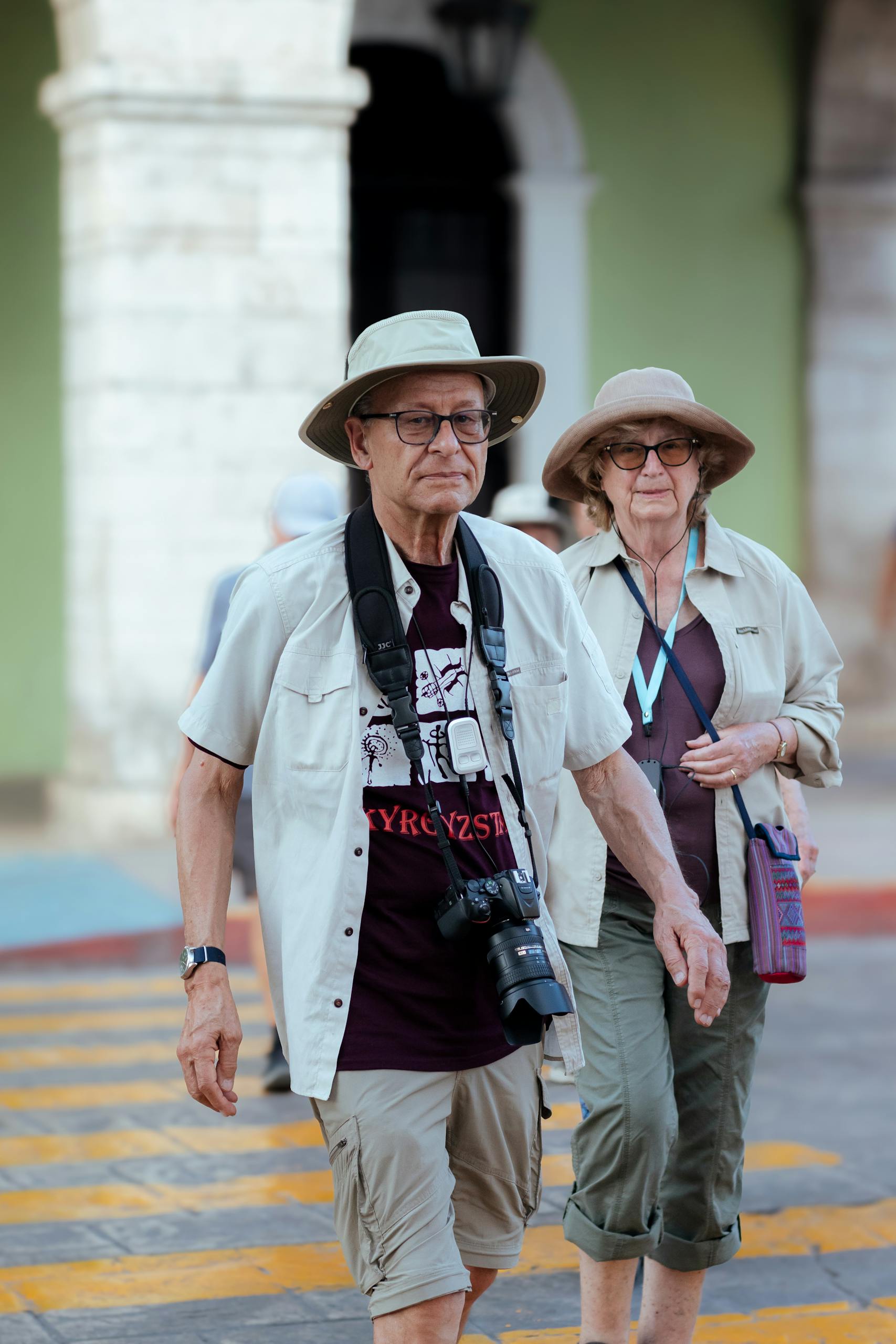
Europe rewards the traveler who brings patience, curiosity, and the willingness to go slowly — qualities that tend to develop with age rather than diminish. The over-50 traveler who has moved past the compulsion to check maximum attractions off a list and toward the pleasure of understanding a place deeply is positioned to get more from a European city than almost anyone else. Here are the cities that deliver most reliably for this kind of travel.
Lisbon, Portugal
Lisbon has emerged over the past decade as one of the most beloved cities in Europe for international visitors and long-stay residents alike, and the reasons are legible on arrival. The city is extraordinarily walkable (with the caveat that its famous hills require functional knees), soaked in a particular quality of golden light in the late afternoon, and populated by a culture that is genuinely warm toward visitors rather than merely tolerant of them. The food scene — centered on excellent seafood, simple grilled dishes, and a pastry culture that rivals any in the world — is exceptional value by Western European standards. English is spoken almost universally in the areas tourists and expats inhabit. And the city’s particular emotional character — a beautiful melancholy called saudade that infuses the music, the architecture, and the temperament of its people — rewards slow engagement in a way that fast tourism simply cannot access.
Barcelona, Spain
Barcelona is one of the few cities in the world that justifies every superlative thrown at it. Gaudí’s architecture is not merely interesting but genuinely visionary — the Sagrada Família and Park Güell are among the most remarkable human-made structures in existence. The Eixample neighborhood’s grid of modernist buildings, the Gothic Quarter’s medieval streets, and the Barceloneta beach combine in a city that feels like it was designed for pleasure. The food culture — from the city’s world-class restaurants to the simple pleasure of pintxos at a bar in the Gràcia neighborhood — is among the finest in Europe. The one caveat for travelers: summer heat and peak-season crowds require either early morning starts, afternoon retreats, or a visit in the shoulder seasons (May, September-October).
Florence, Italy
Florence rewards slow travel more than almost any other city in Europe. Its scale is intimate (you can walk the historic center in 20 minutes), its art density is extraordinary (the Uffizi alone contains more significant work than most national museums), and its food culture — the simplest, most ingredient-focused cooking in Italy — is both affordable and sublime. The city is worth at least a week to any visitor who is serious about its art, and three days is not enough to do more than skim the surface. Base yourself in or near the Oltrarno neighborhood, which has the character of a real neighborhood rather than a tourist precinct.
Amsterdam, Netherlands
Amsterdam is the most bicycle-friendly city in the world, and for travelers with good knees, a rented bicycle transforms the city from a walkable destination into something more expansive and exhilarating — the canal rings, the Jordaan neighborhood, the museum district, and the quieter northern neighborhoods all accessible in a way that taxi and walking don’t replicate. The Rijksmuseum and the Van Gogh Museum are among the best art museums in the world and are navigable without crowds if you book early morning entry in advance. Dutch directness — the culture’s characteristic bluntness — can read as unfriendliness to American visitors who misread it, but it is actually one of the most refreshing cultural qualities Europe has to offer once you’ve calibrated to it.
Prague, Czech Republic
Prague is the best-preserved Gothic and Baroque city in Europe — it escaped the World War II bombing that transformed most Central European cities — and the result is a skyline of spires and a streetscape of medieval stone that is genuinely unlike anywhere else on the continent. The city is significantly less expensive than Western European capitals, and the food and wine culture has improved dramatically over the past two decades. The main challenge is crowds: the historic center in summer is overwhelmed with tourists, and the experience of the city is dramatically better in the shoulder seasons or if you’re willing to explore the residential neighborhoods beyond the main tourist circuits.
A Note on Slower vs. Faster Europe
The greatest mistake most first-time European travelers make — and one that the over-50 traveler who has done this journey before can correct — is trying to cover too much ground. A week in Lisbon is a better trip than one day in Lisbon, one day in Porto, one day in Seville, and three days in Madrid. The depth of engagement with a single city — finding a neighborhood you love, returning to the same restaurant twice, taking the time to understand a single museum’s collection rather than grazing across three — produces the kind of meaningful travel memory that a thousand Instagram-optimized city hops cannot.