Home Insurance for Older Homes: Rising Costs and Coverage Gaps You Need to Know
Home insurance costs have risen dramatically in recent years — the national average premium has increased more than 30% since 2020, with far steeper increases in high-risk states. But older homes face a specific set of insurance challenges beyond the general market trend: age-related surcharges, coverage exclusions tied to outdated materials and systems, and in some markets, difficulty obtaining coverage at all. Understanding these dynamics is increasingly important for the over-50 homeowner who has watched their insurance costs rise while their coverage confidence has remained unchanged.
Why Older Homes Cost More to Insure
Insurers price policies based on the expected cost of claims. Older homes generate more claims, more expensive claims, and more uncertain claims than newer homes — for reasons directly tied to their age and construction.
Knob-and-tube and aluminum wiring are fire hazards that many insurers refuse to cover or surcharge significantly. A home with original knob-and-tube wiring (common in homes built before the 1940s) may be ineligible for coverage from standard insurers and require surplus lines coverage at substantially higher premiums. Galvanized steel plumbing pipes corrode and fail, generating water damage claims; homes with original galvanized plumbing often face surcharges or coverage restrictions on water damage. Original oil tanks — both above-ground and buried — are environmental liability risks that many insurers exclude from coverage or refuse to insure at all.
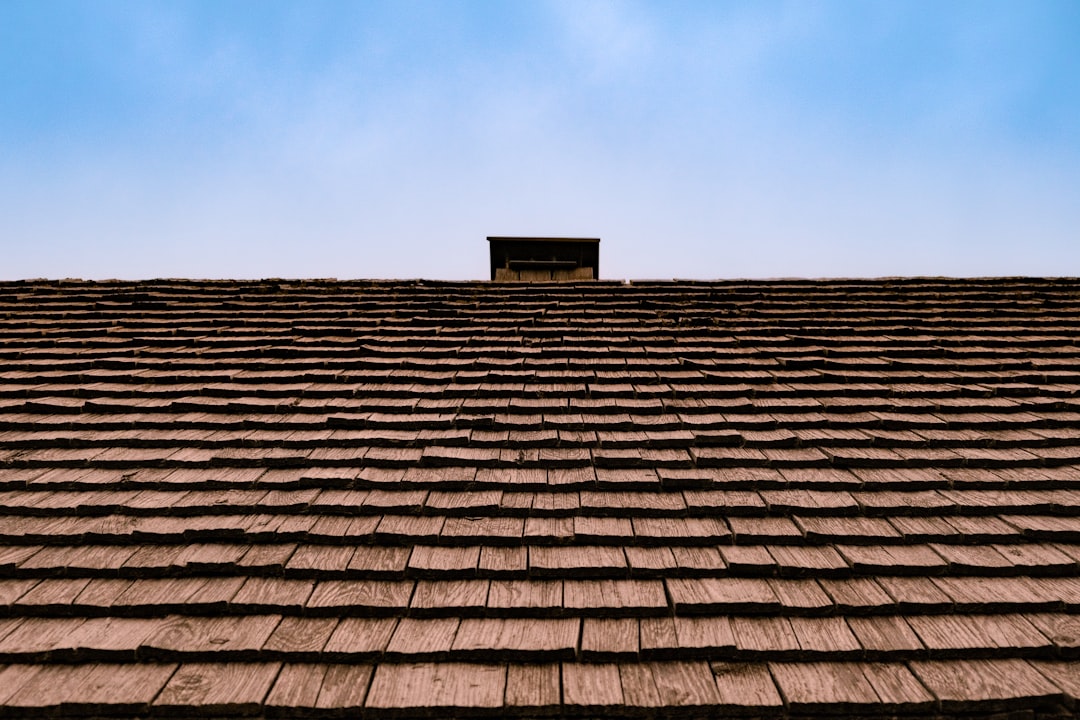
Roof age is one of the most significant insurance pricing factors. Many insurers will not cover roofs over 20 years old for replacement cost value, offering only actual cash value instead — which, for a 25-year-old roof, may be a fraction of the cost of replacement. Some insurers in high-risk states will not insure homes with roofs over 15 years old at any price.
The Replacement Cost vs. Actual Cash Value Distinction
This distinction is the most consequential in home insurance and the most widely misunderstood. Replacement cost value (RCV) coverage pays the cost of rebuilding or replacing your home and possessions at current prices, without depreciation. Actual cash value (ACV) coverage pays the depreciated value of what was destroyed — what it was worth immediately before the loss, accounting for age and condition.
The difference can be enormous. A 25-year-old roof that costs $15,000 to replace has an actual cash value of perhaps $3,000–$5,000 (accounting for depreciation). If your policy pays ACV on the roof, you receive $3,000–$5,000 and must fund the remaining $10,000–$12,000 yourself. This gap is a genuine financial risk that many homeowners don’t discover until they file a claim.
Review your policy carefully to understand whether your home’s structure and key components are covered at RCV or ACV. Pay particular attention to the roof: many insurers have moved to ACV coverage for roofs in recent policy renewals, often with minimal notice to policyholders.
Coverage Gaps Common in Older Home Policies
Beyond the RCV/ACV distinction, older home insurance policies frequently contain gaps that leave significant exposures uninsured. Water backup coverage — damage from a sewer or drain backup — is excluded from standard homeowner’s policies and available only as an endorsement. In a home with aging plumbing and older municipal infrastructure, this is a real risk worth the $50–$100 annual premium for the endorsement. Service line coverage protects the utility lines running from the street to your house — water, sewer, gas, electrical — which are the homeowner’s responsibility and can cost $5,000–$15,000 to repair or replace. This coverage is increasingly available as an affordable endorsement and is particularly valuable for older homes with original underground utilities.
What to Do If Your Premiums Are Rising or You’re Being Non-Renewed
The combination of market-wide insurance cost increases and older home surcharges has made coverage unaffordable or unavailable for some homeowners. If your premiums have risen significantly, start with an independent insurance agent who can shop multiple carriers — the price variation between insurers for the same property can be substantial. Making specific improvements that reduce insurer risk — updating electrical, replacing the roof, repiping — can significantly improve your insurability and reduce premiums.
If you are being non-renewed by your current insurer, act immediately. The options narrow as your renewal date approaches, and state-assigned risk pools (the insurer of last resort) are significantly more expensive than standard market coverage. An independent agent can help navigate options including surplus lines carriers, state programs, and mitigation steps that may make your home more attractive to standard market insurers.

1 Response
[…] Home Insurance for Older Homes: Rising Costs and Coverage Gaps You Need to Know […]