





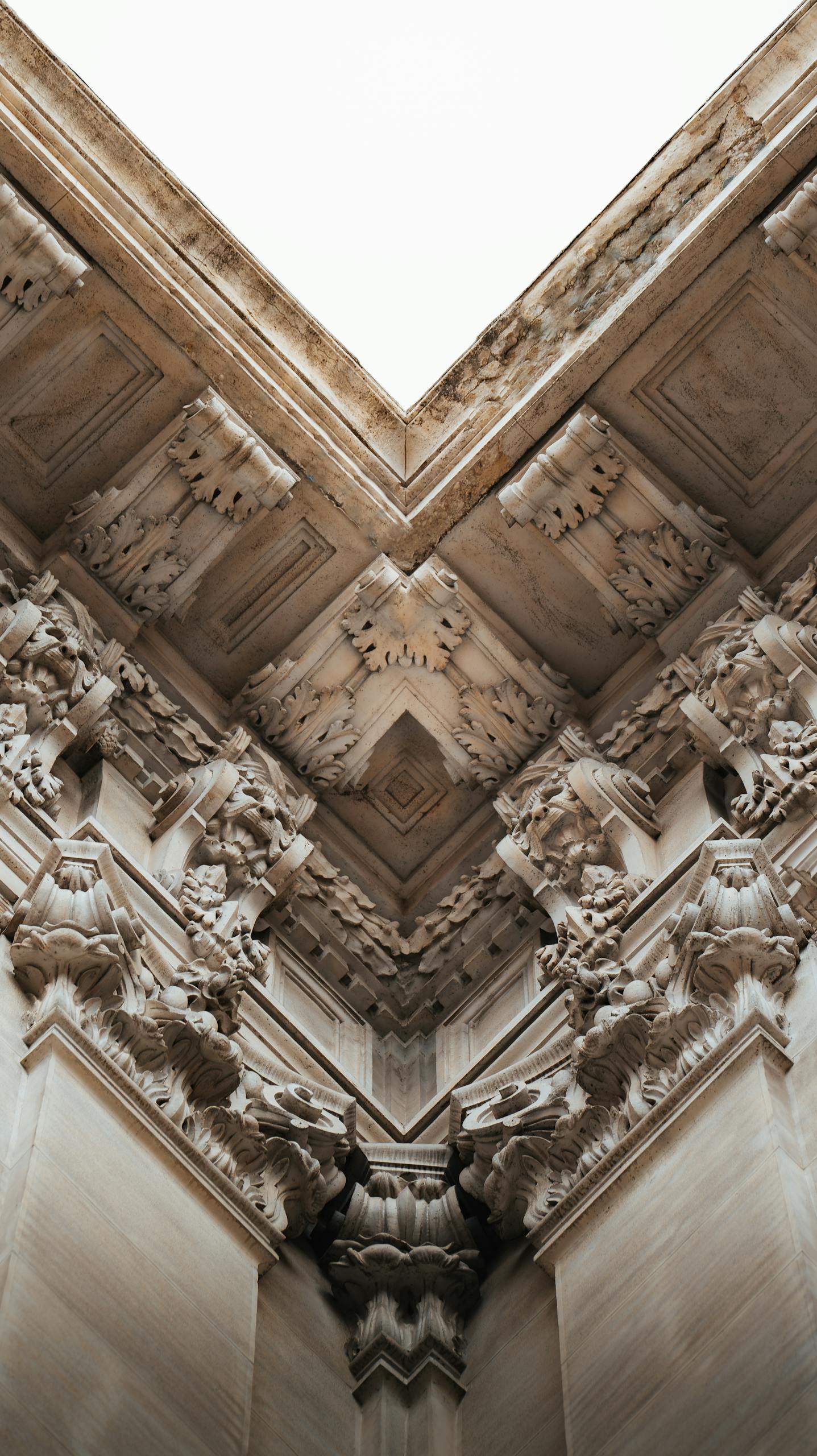
Learning to Read Architecture: How to See the Built World Around You
Architecture is the art form that surrounds everyone constantly and is actively perceived by almost no one. We move through buildings every day — offices, homes, churches, museums, train stations, shopping streets — and notice them, if at all, in the most superficial way: attractive or not, convenient or not, worth photographing or not. The idea that buildings can be read — that they communicate meaning, express values, embody history, and reward sustained attention in the same way that a painting or a piece of music does — is not widely understood, and the people who understand it are permanently in possession of a source of pleasure and insight that the built world provides in unlimited supply.
Learning to read architecture does not require technical training or academic study. It requires developing a vocabulary of questions and a habit of looking that transforms the built environment from background into foreground — from the space through which you move to the subject of genuine inquiry. This is a learnable shift, and once it happens, it doesn’t reverse. The person who has learned to read buildings cannot stop reading them any more than the literate person can stop reading words.
The Basic Questions
The questions that unlock architectural reading are simple and applicable to any building: What problem is this building solving? What was the purpose it was built for, and how does its form reflect and enable that purpose? What materials was it built from, and what do those materials communicate about the values and resources of the time and place that produced it? What relationship does it have with the ground, the street, the sky, and the other buildings around it? What is the experience of moving through it — from outside to inside, from public to private — and how was that experience designed?
These questions apply equally to a Gothic cathedral and a mid-century office building, to a Palladian country house and a modern airport terminal. They are not questions that require prior knowledge to ask; they are questions that prior knowledge helps you answer more richly. Asking them with genuine curiosity, even without the ability to answer them technically, produces a quality of attention that transforms the experience of any building.
Architectural Periods and Styles: A Practical Orientation
Having a framework for the major periods and styles of architectural history — knowing roughly when Gothic cathedrals were built and why, what the Baroque period was responding to in Renaissance classicism, what modernism rejected and why — allows the observer to place specific buildings in their historical and cultural context, which deepens what can be read in them considerably.
This is not the project of a semester course; a single good introductory text — Spiro Kostof’s A History of Architecture, or the more accessible Why Architecture Matters by Paul Goldberger — provides enough orientation to transform every building visit for years. A single afternoon reading about the period of architecture you’ll encounter in a city you’re about to visit produces a different trip than arriving unprepared.
A practical entry point into architectural history that doesn’t require reading: the American Institute of Architects has organized architecture tours in hundreds of US cities that are led by volunteer architects and provide oriented engagement with the architectural significance of local buildings. These free or low-cost tours are available in most major cities and provide both the knowledge and the companionship of learning alongside others who are engaged in the same inquiry.
Cities as Architectural Texts
Cities are the most complex and rewarding architectural texts available — layered documents in which different periods, different values, different technologies, and different ideas about how human beings should live together are all present simultaneously, each period’s buildings commenting on and responding to what came before. Learning to read a city — to understand the sequence of development that produced the streets and buildings you’re walking through — is one of the most satisfying forms of historical engagement available.
The skill of reading urban layers: what is the oldest building in this block, and what was this street designed for? Where did the grid break or change, and why? What era produced this building type, and what does its presence here tell you about when this neighborhood was developed and for whom? These questions are answerable with modest preparation and turn an ordinary city walk into an act of historical reading.
Developing an Architectural Eye Through Practice
The practice that most efficiently develops architectural awareness: draw buildings. Not with any pretension to artistic skill, but with the specific goal of looking closely enough to represent what you see — the proportions of openings to wall surface, the relationship of base to middle to top, the way a cornice projects and a column stands. The act of drawing forces the hand to go where the eye has actually looked, and the errors in your drawing tell you where your attention was insufficient. Many architecture schools use freehand drawing — not computer drafting — as the primary tool for developing visual literacy in their students, for exactly this reason.
Related Articles
- Learning to See Architecture: How the Built World Becomes a Source of Lasting Pleasure
- The Psychology of Letting Go: Releasing Identity Tied to Work and Old Roles
- Cultural Travel After 50: How to Experience a Place Through Its Art, History, and Living Traditions
- The Art of Collecting: Building a Personal Art Collection on Any Budget