





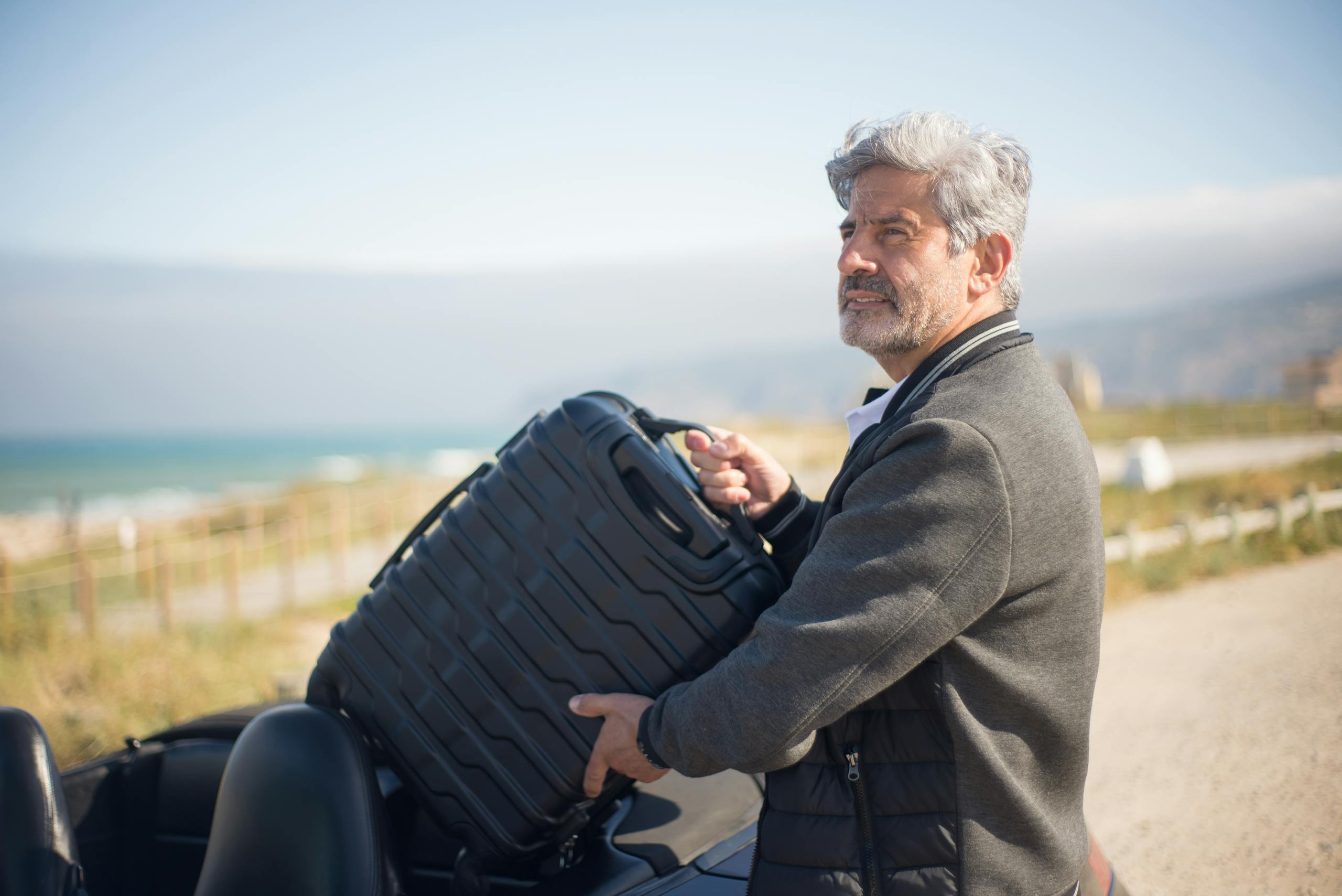
How to Pack Light for Long-Term Travel After 50
The most experienced long-term travelers carry the least luggage. This is not a coincidence. The ability to move through airports, train stations, cobblestone streets, and narrow hotel stairwells without checking a bag or managing a heavy rolling case produces a quality-of-life improvement that is difficult to appreciate until you’ve experienced it — and impossible to ignore once you have.
Packing light is also a learnable skill, not a talent. The principles are straightforward; the difficulty is the psychological resistance to leaving things behind that you’re unlikely to use but feel anxious about not having.
The Fundamental Principle: Outfits, Not Items
The mistake most over-packers make is thinking in items rather than outfits. “I’ll need shoes for walking, shoes for dinners, shoes for the beach, and backup shoes” produces four pairs of shoes. “I need footwear that works for walking, dinners, and casual environments” produces one pair of versatile, comfortable, presentable shoes — possibly supplemented by sandals or flip-flops.
The same logic applies to clothing: think in terms of complete, interchangeable outfits rather than individual pieces. Five tops, three bottoms, and two layers that all work together in every combination gives you far more functional outfit variety than fifteen items that only work in specific combinations. Dark, neutral colors (navy, black, grey, olive) mix more easily than brighter ones; wrinkle-resistant fabrics (merino wool, technical synthetics, some linens) look better after days in a bag than cotton.
The One-Bag Framework for Two Weeks or More
The one-bag movement — travelers who complete trips of any duration with only a single carry-on-sized bag — has developed detailed, well-tested packing systems over the past decade. The essential framework: a 26–40 liter backpack or carry-on bag (for under-seat or overhead carry-on storage); 4–5 tops; 2–3 bottoms; 1–2 layers (a merino cardigan or packable down jacket); 7 days of underwear and socks in quick-dry fabrics; 1 pair of versatile shoes; and toiletries in 100ml or smaller containers.
The technologies that enable this framework: merino wool clothing (naturally odor-resistant, temperature-regulating, and wrinkle-resistant, making daily wear and occasional sink-washing practical); quick-dry synthetic underwear and socks (dry overnight after washing, eliminating the need to carry a week’s supply); and packing cubes (which compress and organize clothing efficiently and transform a chaotic bag into a manageable one).
Specific Considerations for Over-50 Travelers
Comfort and medical necessities deserve particular attention in packing decisions for older travelers. Support insoles, compression socks (which reduce deep vein thrombosis risk on long flights and swelling during extended walking), any required medications (always in carry-on), and a small first-aid kit (plasters, anti-inflammatory, antidiarrheal, rehydration sachets) are worth the space they occupy. A lightweight travel pillow and eye mask dramatically improve sleep quality on overnight flights.
For travelers with specific medical equipment needs (CPAP machines, for example), the carry-on is non-negotiable: medical equipment must never be checked, as it can be damaged or lost. Most CPAP devices are now travel-compatible with international voltage and include a travel bag; confirm compatibility before departure and carry a doctor’s note for customs if traveling to countries with stricter medical device regulations.
What People Consistently Regret Packing
The items most experienced travelers wish they’d left at home: more than one pair of dress shoes, full-sized toiletries (available to buy anywhere in the world), books (heavy and available as ebooks), excessive “just in case” clothing for scenarios that don’t materialize, and multiple electronic devices that duplicate functionality. The rule of thumb: if you’re asking yourself “might I need this?”, the answer is almost always no. Pack the things you’re confident you’ll use, not the things you’re anxious about not having.
The Laundry Strategy
The mindset shift that makes one-bag packing genuinely sustainable for long-term travel is treating laundry as part of the travel routine rather than an inconvenience. In most destinations, laundry services (drop your bag in the morning, pick it up folded in the afternoon) cost $5–$15 and are available within a short walk of any hotel or apartment. Sink-washing quick-dry items overnight requires no facilities and no expense. A two-week trip requires no more than a week’s worth of clothing with one mid-trip laundry session; a month-long trip requires no more than a week’s worth of clothing with weekly laundry.