





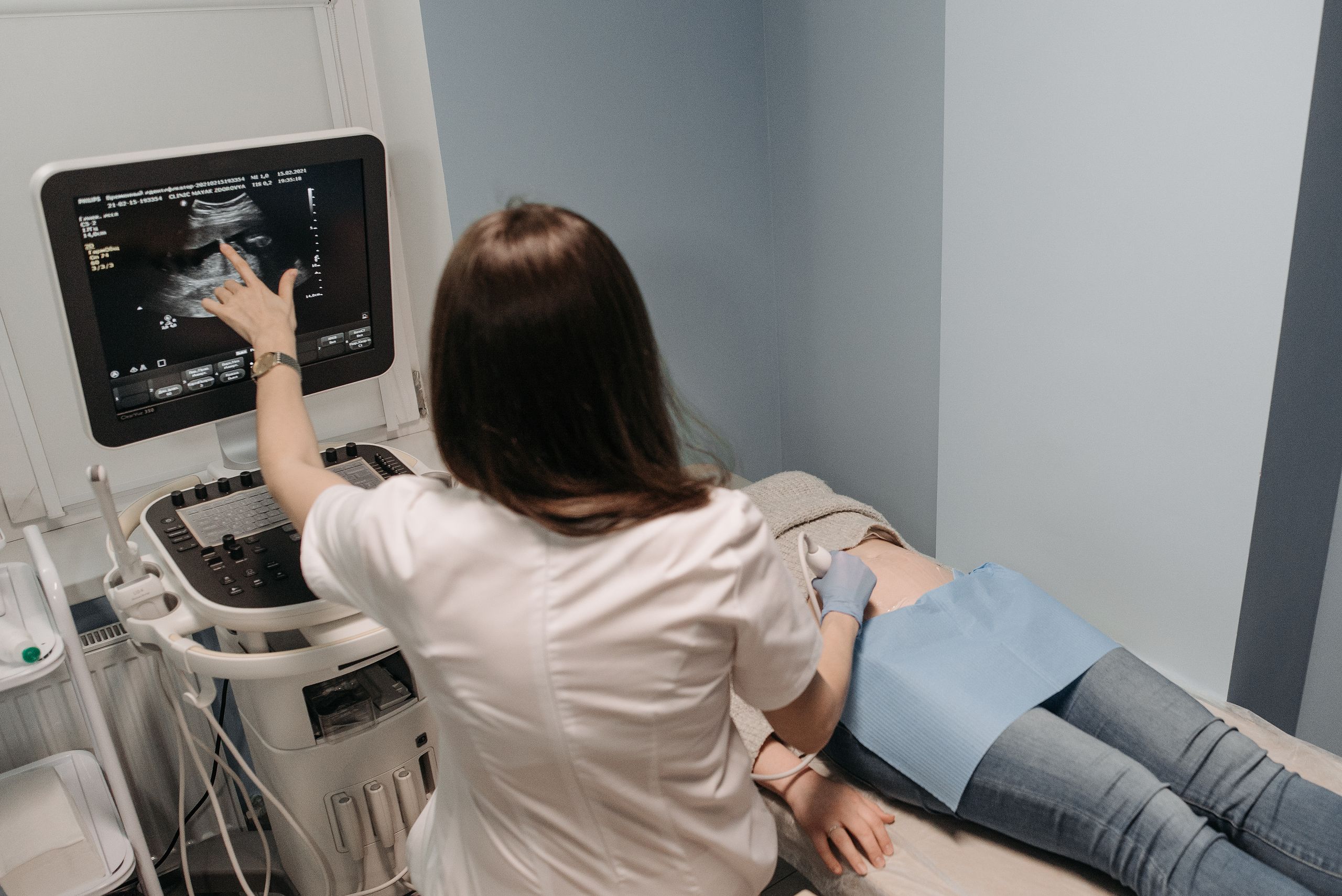
Essential Health Screenings for Seniors : Complete Preventive Care. What it means
Turning 50 is a critical milestone for preventive healthcare. Health screenings after 50 can detect serious conditions—heart disease, diabetes, osteoporosis, and cancers—early, when treatment is most effective and survival rates are highest. Many dangerous conditions develop silently without symptoms, making routine screening essential. Preventive health is one of the highest-return investments adults over 50 can make, often preventing years of costly treatment and protecting your independence and quality of life.
Why Health Screenings After Age 50 Are Non-Negotiable
Healthcare research consistently demonstrates that early detection through preventive screenings can add years to your life and life to your years. The difference between detecting a condition at stage one versus stage three can mean treatment options, recovery outcomes, and long-term independence.
Beyond disease prevention, routine screenings:
- Establish baseline health metrics you can track over time
- Catch emerging concerns before they become serious problems
- Allow you to make informed lifestyle changes based on actual health data
- Provide peace of mind and enable confident retirement planning
- Support active, engaged living for decades ahead
Annual wellness visits plus age-appropriate screenings based on your personal risk factors form the foundation of healthy aging.
10 Essential Health Screenings Adults Over 50 Need
Screening 1: Blood Pressure Checks — Your Cardiovascular Foundation
High blood pressure is called the “silent killer” because it develops without symptoms yet dramatically increases heart disease and stroke risk. Nearly half of American adults have high blood pressure, but most don’t know it.
Screening details:
- Frequency: At least yearly; more often if elevated
- Goal: Below 120/80 mmHg
- Why it matters: High BP is the leading preventable cause of death
Screening 2: Cholesterol Testing — Preventing Heart Attacks and Strokes
High cholesterol contributes to 1 in 5 heart attacks and strokes, but it develops silently without symptoms. Cholesterol testing measures multiple factors:
- LDL (“bad”) cholesterol — Damages artery walls; higher risk = more danger
- HDL (“good”) cholesterol — Protects arteries; higher is better
- Triglycerides — Blood fat that increases heart disease risk
Frequency: Every 4-6 years (or more if abnormal)
Screening 3: Diabetes Screening — Early Detection Prevents Complications
Type 2 diabetes affects 37 million Americans, with many undiagnosed for years. Undiagnosed diabetes damages eyes, kidneys, nerves, and circulation before symptoms appear.
Early symptoms often go unnoticed:
- Unusual fatigue and weakness
- Excessive thirst
- Frequent urination
- Blurred vision
Frequency: Every 3 years (or annually if risk factors present)
Screening 4-6: Cancer Screenings — Catch Cancer When Treatment Works Best
Colon Cancer Screening (All Adults 45-50+)
Colorectal cancer is highly treatable when caught early—97% survival when detected at stage 1, but only 14% at stage 4. Screening typically begins at age 45-50 through:
- Colonoscopy — Views entire colon; prevents cancer by removing polyps
- Stool DNA testing — Non-invasive, done at home
- Fecal immunochemical test (FIT) — Checks stool for blood
Frequency: Every 10 years if normal (colonoscopy standard)
Breast Cancer Screening (Women 40-50+)
Breast cancer detected through screening has 99% 5-year survival; 88% overall regardless of detection method. Women should discuss screening with healthcare providers:
- Typical frequency: Mammogram every 1-2 years starting age 40-50
- Why it matters: Early-stage breast cancer detected through mammography has excellent treatment outcomes
Prostate Cancer Screening (Men 50+)
Men age 50+ should discuss PSA testing with their physician. This is a conversation-based screening involving weighing benefits against potential false positives:
- Especially important for: African American men, men with family history
- Test: PSA blood test measures prostate-specific antigen
Screening 7: Bone Density Test — Preventing Life-Altering Fractures
Osteoporosis affects 10 million Americans, with many undiagnosed. A single hip fracture often triggers permanent loss of independence.
DEXA scans detect osteoporosis before fractures occur:
- Recommended for: Women age 65+, postmenopausal women, men at increased risk
- Why it matters: Early detection allows treatment to slow bone loss and prevent fractures
- Prevention impact: Treatment reduces fracture risk by 30-50%
Screening 8: Vision Examination — Maintaining Independence and Safety
Vision changes become common with age, yet many go undetected. Comprehensive eye exams detect:
- Cataracts — Clouding of the lens; affects 24 million Americans over 60
- Glaucoma — Silent vision loss; leading cause of blindness
- Macular degeneration — Central vision loss; most common cause of vision loss in seniors
- Diabetic eye disease — Complications from diabetes
Frequency: Every 1-2 years
Screening 9: Hearing Test — Protecting Against Isolation and Cognitive Decline
Untreated hearing loss affects 48 million Americans and is associated with isolation, depression, and cognitive decline. Yet only 1 in 5 who need hearing aids actually wear them.
Benefits of early detection:
- Modern hearing aids are smaller, more effective, and more affordable
- Early intervention prevents isolation and depression
- Supports cognitive health and independence
Frequency: Every few years or sooner if symptoms develop
Screening 10: Skin Cancer Screening — Early Detection Saves Lives
Skin cancer is the most common cancer in America, with 1 in 5 Americans developing it by age 70. Melanoma (the deadliest form) has 99% 5-year survival when caught early, but only 30% when advanced.
Watch for warning signs:
- New moles appearing
- Changes in existing spots (color, size, shape)
- Non-healing sores
- Itching, bleeding, or tenderness
Frequency: Annual dermatology exams recommended; self-check monthly
Recommended Vaccinations for Adults Over 50
Beyond screenings, these vaccinations protect against preventable diseases:
- Shingles vaccine (Shingrix) — Recommended starting age 50; prevents shingles and nerve pain
- Flu vaccine — Every year; adults over 65 should get high-dose or adjuvanted flu vaccine
- Pneumonia vaccine — Usually recommended starting age 65 or with risk factors
- COVID-19 boosters — Follow current CDC guidance; especially important for seniors
- Tetanus booster — Every ten years for protection against tetanus
- Tdap — If never received; protects against pertussis (whooping cough)
Lifestyle Factors That Extend Healthy Years Beyond Screenings
Physical Activity — The Most Powerful Medicine
Aim for 150 minutes of moderate exercise weekly plus strength training twice weekly. Physical activity:
- Reduces disease risk across all major conditions
- Maintains independence and functional ability
- Improves mood and supports cognitive function
- Strengthens bones and muscles
Options include: Walking, swimming, cycling, strength training, group fitness classes
Nutrition for Longevity
A Mediterranean-style diet supports both heart health and cognitive function. Focus on:
- Fruits and vegetables (at least 5 servings daily)
- Whole grains instead of refined grains
- Lean proteins (fish, poultry, legumes)
- Healthy fats (olive oil, nuts, avocados)
- Limited red meat, sugar, and processed foods
Sleep and Stress Management
Most adults need 7-9 hours of quality sleep nightly. Poor sleep increases disease risk and accelerates aging. Stress management through walking, meditation, social connections, and hobbies protects both mental and physical health.
Tobacco Avoidance
Quitting smoking at any age dramatically lowers risks for cancer, heart disease, stroke, and lung disease. It’s never too late to benefit—within one year, heart disease risk drops 50%.
Your Complete Health Screening Schedule After 50
Use this checklist to stay on top of preventive care:
Every Year:
- Blood pressure check
- Flu shot
- Wellness visit with primary care provider
- Weight and BMI review
- Skin cancer screening (self-assessment)
Every 2 Years:
- Mammogram (women)
- Eye examination
Every 3-5 Years:
- Cholesterol test
- Diabetes screening (blood glucose)
- Hearing test
Every 10 Years (or As Recommended):
- Colonoscopy (typically; other options available)
- Tetanus booster
As Recommended by Your Doctor:
- PSA test (men discuss with provider)
- Bone density scan (DEXA) — women 65+, men at risk
- Professional skin cancer screening
- Additional screenings based on family history
When to Schedule an Urgent Appointment Immediately
Don’t wait for routine screening. Contact your doctor immediately if you experience:
- Chest pain, pressure, or shortness of breath
- Unexplained weight loss
- Blood in stool or persistent digestive changes
- Unusual fatigue, weakness, or dizziness
- Sudden changes in vision or hearing
- Memory problems, confusion, or cognitive changes
- New lumps, unusual bleeding, or skin changes
- Persistent cough, fever, or night sweats
Final Thoughts: Prevention Is the Best Medicine for Healthy Aging
Healthy aging starts with prevention, not treatment. Routine screenings after age 50 catch potential problems early, when outcomes are best and treatment is most effective. By combining regular checkups, recommended vaccinations, healthy eating, and physical activity, you’re investing in decades of active, independent, engaged living.
Start today: Schedule your annual wellness visit and any overdue screenings. Then explore wellness resources for health optimization strategies tailored to active adults 50+.