





Chlorthalidone Recall: 3 Essential Steps to Check Your Blood Pressure Pills
A nationwide chlorthalidone recall is making headlines this week, and it matters to millions of older adults who manage high blood pressure. India-based Inventia Healthcare voluntarily recalled 13,567 bottles of 25 mg chlorthalidone tablets after the pills failed a key FDA quality test. The essential news: most bottles are fine, but you should check yours today.
Why the Chlorthalidone Recall Matters to You
Chlorthalidone is a water pill, or diuretic. It helps your kidneys flush extra salt and fluid, which lowers blood pressure. Doctors also use it to reduce swelling tied to heart, kidney, or liver disease.
High blood pressure is one of the most common conditions after 50. Roughly 7 in 10 adults age 60 and older live with it. That makes a recall of an inexpensive, widely prescribed generic especially relevant for our readers.
The problem is not contamination. The tablets failed a dissolution test, which measures how well a pill breaks down in your body. A pill that dissolves poorly may not deliver its full dose, so your blood pressure could be less controlled than you think.
Key Facts About the Recalled Blood Pressure Pills
- Product: Chlorthalidone Tablets, USP, 25 mg, 100-count bottles
- NDC number: 64980-599-01
- Lot number: RISA24002, expiration April 2027
- FDA classification: Class II, set on Sept. 17, 2026
A Class II recall means the product may cause temporary or medically reversible health effects, and the chance of serious harm is considered remote. Inventia started the recall on Sept. 3, and news outlets began reporting it widely on Sept. 28.
This is the second chlorthalidone recall from the same maker this year. In June, the company pulled roughly 11,460 bottles for a similar issue. Repeat recalls are a good reminder to check your bottle whenever a medication recall hits the news.
What This Means for You
If you take chlorthalidone, you do not need to panic. You do need to take three simple, proven steps this week.
Step 1: How do I know if my bottle is affected?
Look at the pharmacy label and the original manufacturer bottle if you have it. Check for the lot number RISA24002 and NDC 64980-599-01. Many pharmacies repackage pills, so the lot may not appear on your label. In that case, call your pharmacist and ask them to look up which manufacturer and lot they dispensed to you.
Step 2: Should I stop taking my blood pressure medication?
No. Do not stop on your own. Skipping a diuretic suddenly can let your blood pressure rise quickly. Ask your pharmacist for a replacement from an unaffected lot or a different maker. Your prescriber can also suggest an alternative if supply is tight. Mention any other drugs you take, since drug interactions are a growing concern for older adults.
Step 3: What warning signs should I watch for?
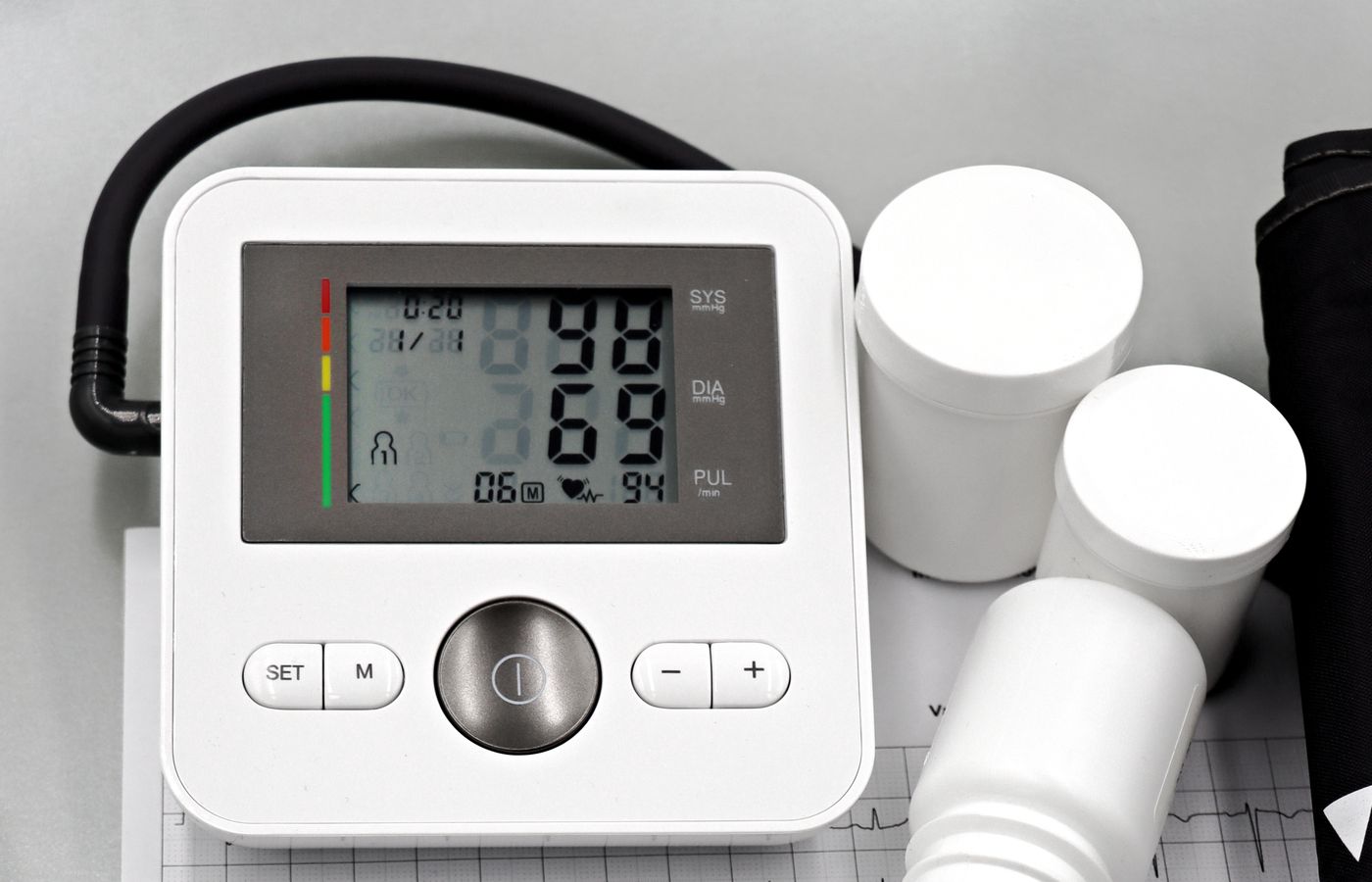
Check your blood pressure at home for the next few weeks if you have a cuff. Write down readings and bring them to your next visit. Call your doctor if readings run higher than usual, or if you notice new swelling in your ankles, shortness of breath, headaches, or dizziness. You can report problems to the FDA’s MedWatch program at 1-800-FDA-1088.
Looking Forward
Generic drugs save older adults billions of dollars each year, and most are safe and effective. Still, repeat recalls show why a quick label check belongs in your routine. Keep an up-to-date medication list, including lot numbers when possible, and review it with your doctor at each visit. Pair that habit with regular health screenings after 50 to stay ahead of blood pressure changes. A two-minute bottle check today is an easy way to protect your heart tomorrow.
Sources: FDA Enforcement Report (Recall D-0852-2026); WJXT News4JAX, Sept. 28, 2026.