





How to Reduce Inflammation Through Diet and Lifestyle
Inflammation is one of the most important health concepts of the past decade — and one of the most misunderstood. It’s not inherently bad. Acute inflammation is the body’s essential response to injury, infection, and cellular damage. The problem is chronic, low-grade inflammation — a persistent, simmering activation of inflammatory pathways that contributes to the development and progression of virtually every major chronic disease.
What Is Inflammation?
Inflammation is the immune system’s response to damage or perceived threat. When you sprain an ankle, the redness, swelling, heat, and pain are acute inflammation at work — protective, necessary, and temporary.
Chronic inflammation is different. It’s a low-grade immune activation that persists without an acute threat. Rather than repairing and resolving, it continues to generate inflammatory cytokines and reactive oxygen species that damage tissues over time.
Acute vs. Chronic Inflammation
Acute inflammation: Rapid onset, short duration (days to weeks), serves a protective purpose. Examples: a healing wound, fever during infection, muscle soreness after exercise.
Chronic inflammation: Slow onset, long duration (months to years), often produces no obvious symptoms until significant damage has occurred. Linked to: cardiovascular disease, type 2 diabetes, cancer, Alzheimer’s disease, autoimmune conditions, metabolic syndrome, and depression.
The conditions driving chronic inflammation include excess body fat (particularly visceral/abdominal fat), poor diet, sedentary lifestyle, chronic stress, insufficient sleep, smoking, and excessive alcohol consumption.
Top Anti-Inflammatory Foods
Fatty Fish
Salmon, sardines, mackerel, anchovies, and herring are rich in EPA and DHA omega-3 fatty acids — the most potent dietary anti-inflammatory agents available. These directly compete with omega-6 fatty acids in inflammatory pathways, reducing production of pro-inflammatory compounds. Aim for at least 2 servings per week.
Colorful Fruits and Vegetables
The pigments that give berries, tomatoes, leafy greens, and cruciferous vegetables their colors are polyphenols and other phytonutrients with anti-inflammatory properties. Blueberries and other dark berries are particularly well-studied. “Eat the rainbow” is a simple principle that maximizes the variety of anti-inflammatory compounds consumed.
Extra Virgin Olive Oil
A cornerstone of the Mediterranean diet, extra virgin olive oil contains oleocanthal — a compound that inhibits the same inflammatory enzymes as ibuprofen, with research suggesting anti-inflammatory effects at typical dietary doses. Use as your primary cooking fat and for salad dressings.
Nuts and Seeds
Walnuts (high in plant-based ALA omega-3s), almonds, flaxseeds, and chia seeds all have documented anti-inflammatory effects. Regular nut consumption is associated with lower inflammatory markers and reduced cardiovascular risk.
Turmeric and Ginger
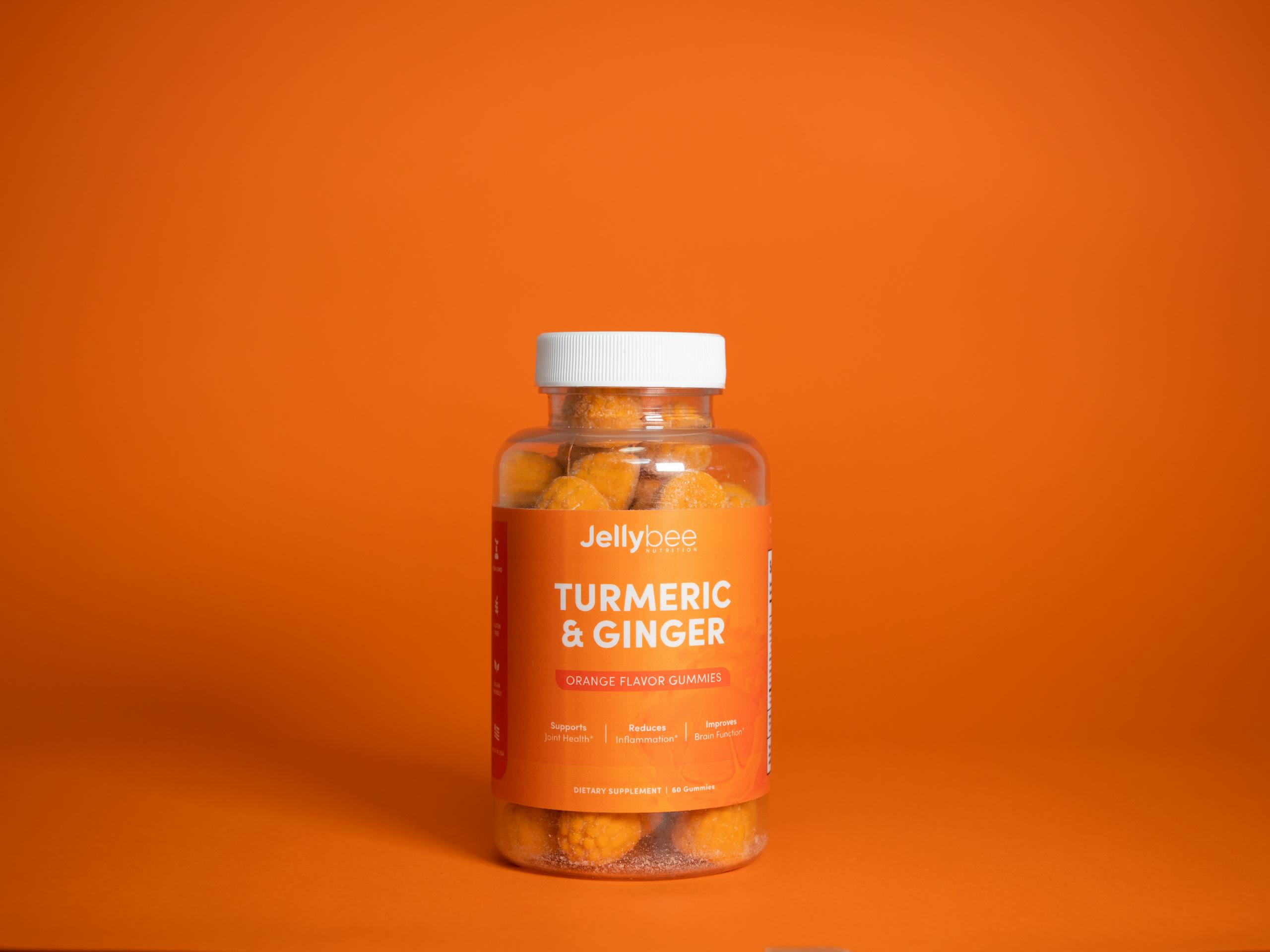
Curcumin (the active compound in turmeric) has been studied extensively for anti-inflammatory effects, particularly in joint inflammation. Absorption is significantly enhanced by black pepper (piperine). Ginger contains gingerols and shogaols with clinically demonstrated anti-inflammatory properties.
Green Tea
Rich in EGCG (epigallocatechin gallate) and other polyphenols with potent anti-inflammatory and antioxidant effects. Regular consumption is associated with reduced inflammatory markers, lower cardiovascular disease risk, and possible cancer-protective effects.
Foods That Drive Inflammation
- Ultra-processed foods: High-temperature processing and artificial additives promote oxidative stress and inflammation
- Refined carbohydrates and added sugars: Spike blood glucose and insulin, activate inflammatory pathways, and feed less desirable gut bacteria
- Vegetable/seed oils high in omega-6 (soybean, corn, sunflower oil): When consumed in excess, displace anti-inflammatory omega-3s in inflammatory pathways
- Trans fats: Directly increase inflammatory markers — largely removed from food supply but worth checking labels
- Excessive alcohol: Promotes gut permeability (“leaky gut”), allowing bacterial products to enter the bloodstream and activate inflammation
The Mediterranean Diet Connection
The Mediterranean dietary pattern — high in olive oil, vegetables, legumes, whole grains, fish, and moderate wine; low in red meat and processed foods — is the most extensively studied dietary pattern for anti-inflammatory effects. Multiple large trials show it significantly reduces markers of systemic inflammation and lowers risk of cardiovascular disease, type 2 diabetes, and neurodegenerative disease.
Exercise and Inflammation
Regular moderate exercise is anti-inflammatory in its cumulative effect — even though each individual session produces acute inflammatory signaling (which is part of the beneficial adaptation). Sedentary behavior, by contrast, is independently pro-inflammatory. Aim for at least 150 minutes of moderate aerobic activity per week.
Sleep and Stress as Inflammatory Triggers
Poor sleep (<6 hours per night) significantly raises levels of CRP (C-reactive protein) and other inflammatory markers. Chronic psychological stress activates the HPA axis and sympathetic nervous system in ways that directly promote systemic inflammation.
Anti-inflammatory living is holistic — what you eat matters enormously, but it doesn’t compensate for chronic sleep deprivation, perpetual stress, and a sedentary lifestyle.
[…] How to Reduce Inflammation Through Diet and Lifestyle […]
[…] How to Reduce Inflammation Through Diet and Lifestyle […]