





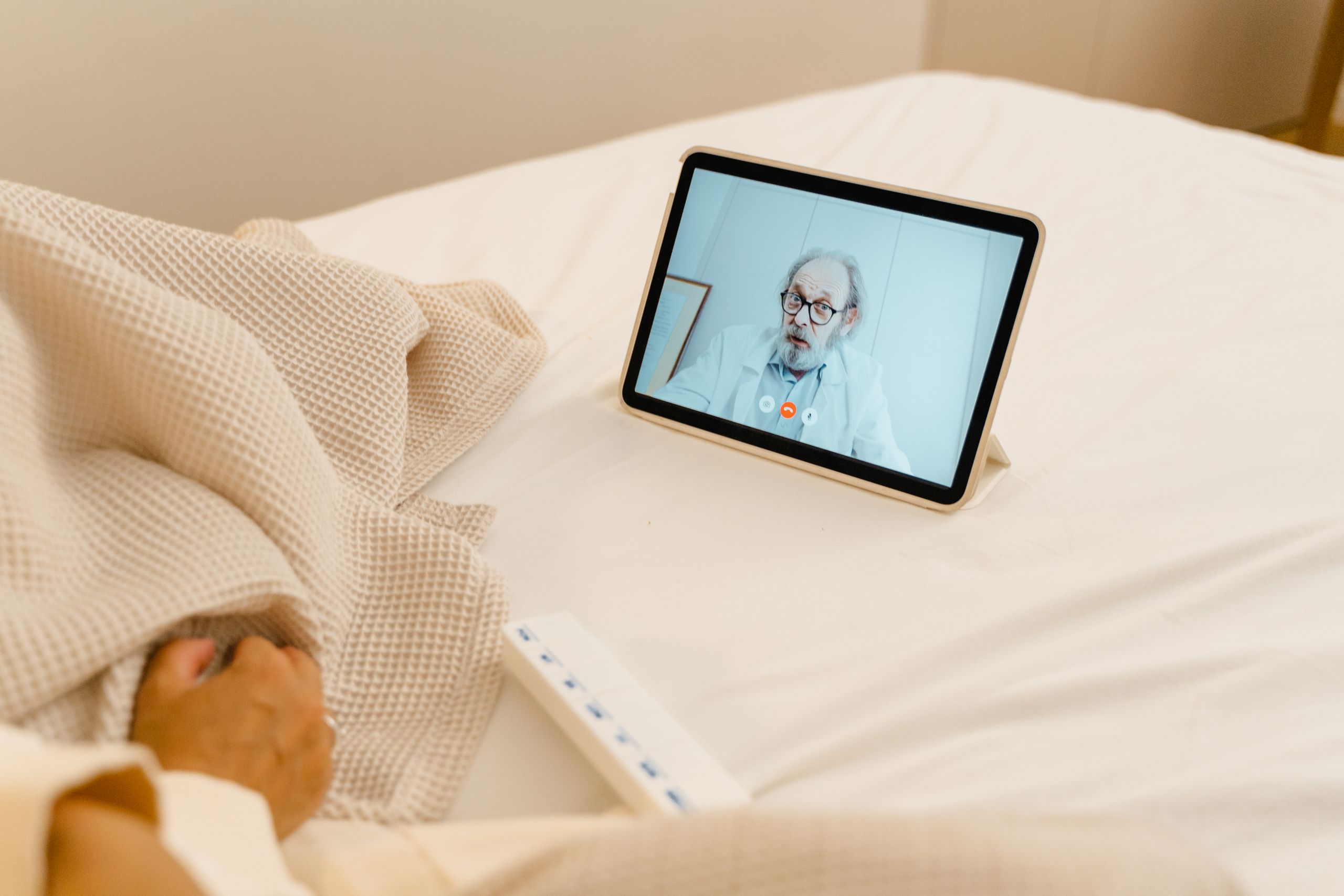
AI-Powered Home Health: Now Transforming Senior Care
Artificial intelligence is quietly revolutionizing how seniors receive healthcare and maintain independence at home. AI-powered home health services combine wearable devices, smart home sensors, and virtual health assistants to create a safety net that monitors your well-being 24/7—and the results are proving transformative. In 2026, Medicare has begun expanding coverage for select AI-powered remote monitoring devices, making this technology more accessible to seniors.
These systems work by continuously monitoring vital signs, activity levels, medication adherence, and patterns of daily living. If the AI detects concerning changes—such as irregular heart rhythms, unusual inactivity, or signs of confusion—it can alert healthcare providers and family members before a health crisis develops. For seniors living independently, this continuous monitoring provides peace of mind while reducing unnecessary hospital visits.
The impact on healthcare outcomes is measurable and significant. Recent data shows that AI monitoring reduces hospital readmissions among seniors by an average of 28%—a substantial improvement that translates to better health and lower costs. Virtual health assistants can remind you to take medications, help you manage chronic conditions, and even provide initial assessment of symptoms when you’re unsure whether to seek urgent care.
Benefits Beyond Health Monitoring
Beyond medical monitoring, AI-powered smart home systems are making homes safer and more convenient. Voice-activated assistants can help with medication reminders, fall detection systems can alert family members if you’ve had an accident, and smart lighting adjusts automatically to prevent trips and falls. These technologies work together to enable seniors to live more independently while staying connected to family and healthcare providers.
Important Safety Considerations
While AI-powered home health offers tremendous benefits, it’s important to use these tools wisely. Remember that AI should assist, not replace, your judgment. It can remind you to take medication, but it cannot verify that you actually took it. Never use AI as a substitute for medical or legal advice—always consult qualified professionals for important health decisions.
As AI becomes more sophisticated, scammers have found ways to exploit the technology. AI voice cloning and hyper-realistic phishing emails are new threats targeting seniors. Protect yourself by verifying unexpected communications through another method, never sharing sensitive personal information based on unsolicited contact, and using strong, unique passwords for all online accounts.
Getting Started with AI Home Health
If you’re considering AI-powered home health services, consult with your healthcare provider about which devices and monitoring systems make sense for your individual health needs. Ask about Medicare coverage options for remote monitoring devices, which may help offset costs. Start with one or two devices and expand gradually as you become more comfortable with the technology.
AI-powered home health represents an exciting frontier in aging well, combining safety, independence, and peace of mind for both seniors and their families.