





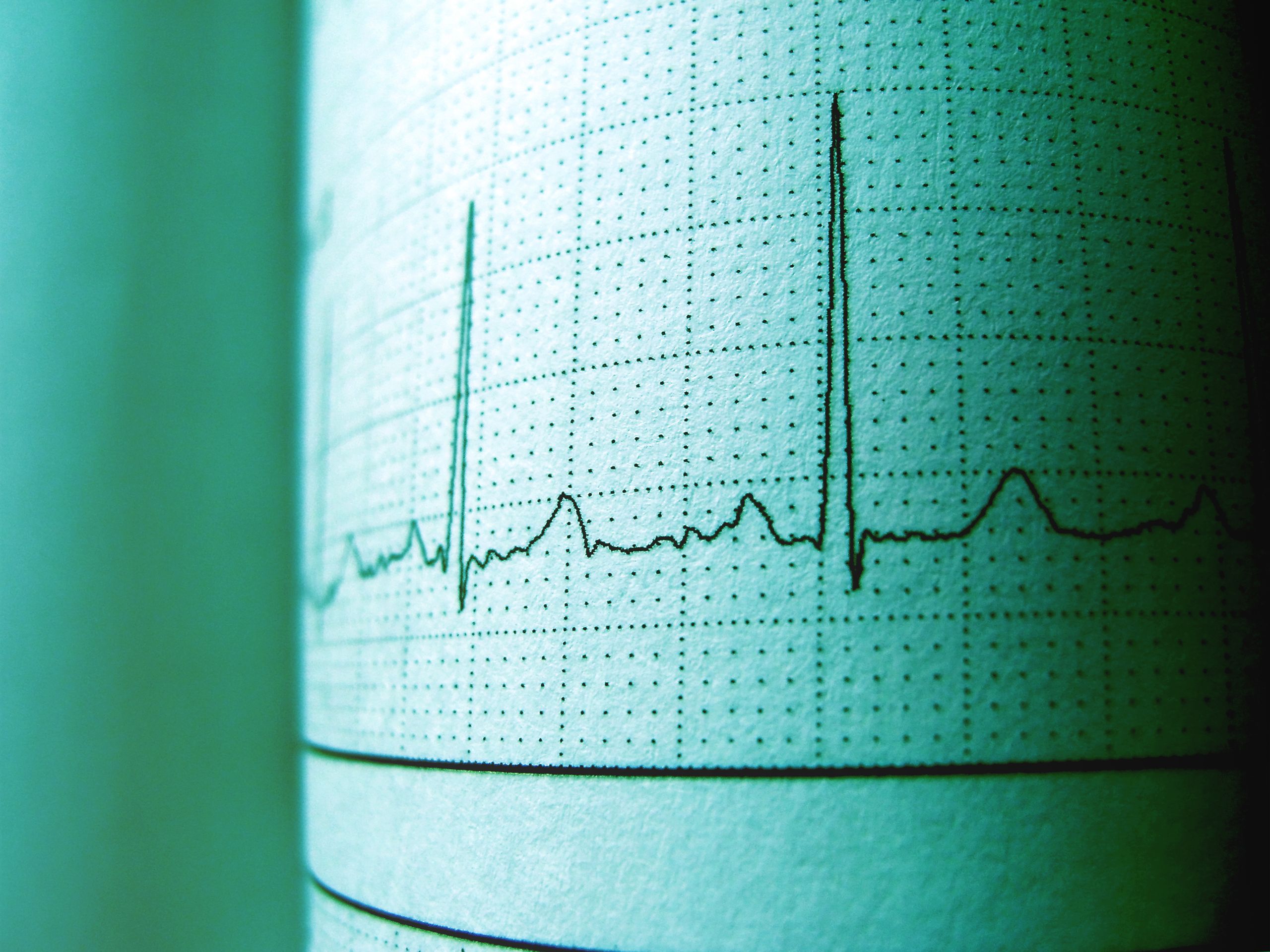
New AI Test Detects Hidden Heart Disease From One ECG
AI heart disease detection just took a major step forward. The FDA has cleared EchoNext, a new artificial intelligence tool that can identify structural heart disease from a routine 12-lead electrocardiogram, the same quick, painless test many people over 50 already receive at checkups. Discover how this breakthrough could catch hidden heart conditions years earlier, and what it means for your next visit to the doctor.
Why This Matters to You
Structural heart disease, meaning problems with your heart’s valves, chambers, or muscle, often develops silently for years before symptoms like fatigue or shortness of breath appear. By the time many adults over 50 notice something is wrong, the condition has often progressed.
AI heart disease detection tools like EchoNext are designed to catch subtle patterns in ECG data that even experienced clinicians can miss, flagging patients who need further testing, such as an echocardiogram, before a crisis occurs. This complements the routine screening covered in our preventive care guide for adults 50+.
Key Facts & Context
EchoNext received FDA clearance from Pathway Labs as a tool that analyzes routine 12-lead ECGs to flag structural heart disease. It joins a rapidly growing field: the FDA has now cleared more than 1,300 AI-enabled medical devices, covering everything from diagnostics to chronic disease management.
Because ECGs are inexpensive, fast, and already part of many routine checkups, tools like this don’t require new equipment or extra appointments, only new software analyzing data your doctor’s office may already collect, a shift we explored in our guide to understanding your annual physical.
What This Means for You
Should I ask my doctor about AI-assisted ECG screening?
At your next annual physical or cardiology visit, ask whether your provider’s ECG system includes AI-assisted analysis, and whether tools like EchoNext are part of their standard screening protocol.
Do I still need a routine ECG if I feel fine?
Because structural heart disease frequently causes no symptoms early on, a routine ECG remains one of the simplest ways to catch problems before they become serious, particularly for adults over 50 or those with a family history of heart disease.
How can I track changes in my heart health over time?
Ask for a copy of your ECG results and any AI-flagged findings each year, so you and your doctor can track subtle changes in your heart health over time rather than relying on memory alone.
Explore more: Principium Technology helps older adults navigate new health technologies with confidence. Visit principiumtechnology.com.
Looking Forward
AI heart disease detection is moving quickly from research labs into everyday checkups, and EchoNext’s clearance signals more tools like it are likely on the way. For adults over 50, the takeaway is simple: routine screenings you already have access to are becoming smarter, and asking your doctor the right question could make all the difference.
As more clinics adopt AI-assisted ECG analysis over the coming year, patients who understand how these tools work will be better positioned to ask informed questions and advocate for the screening that best fits their personal risk factors and family history.