Finding Your Community After 50: The Belonging That Sustains You Through Everything Else
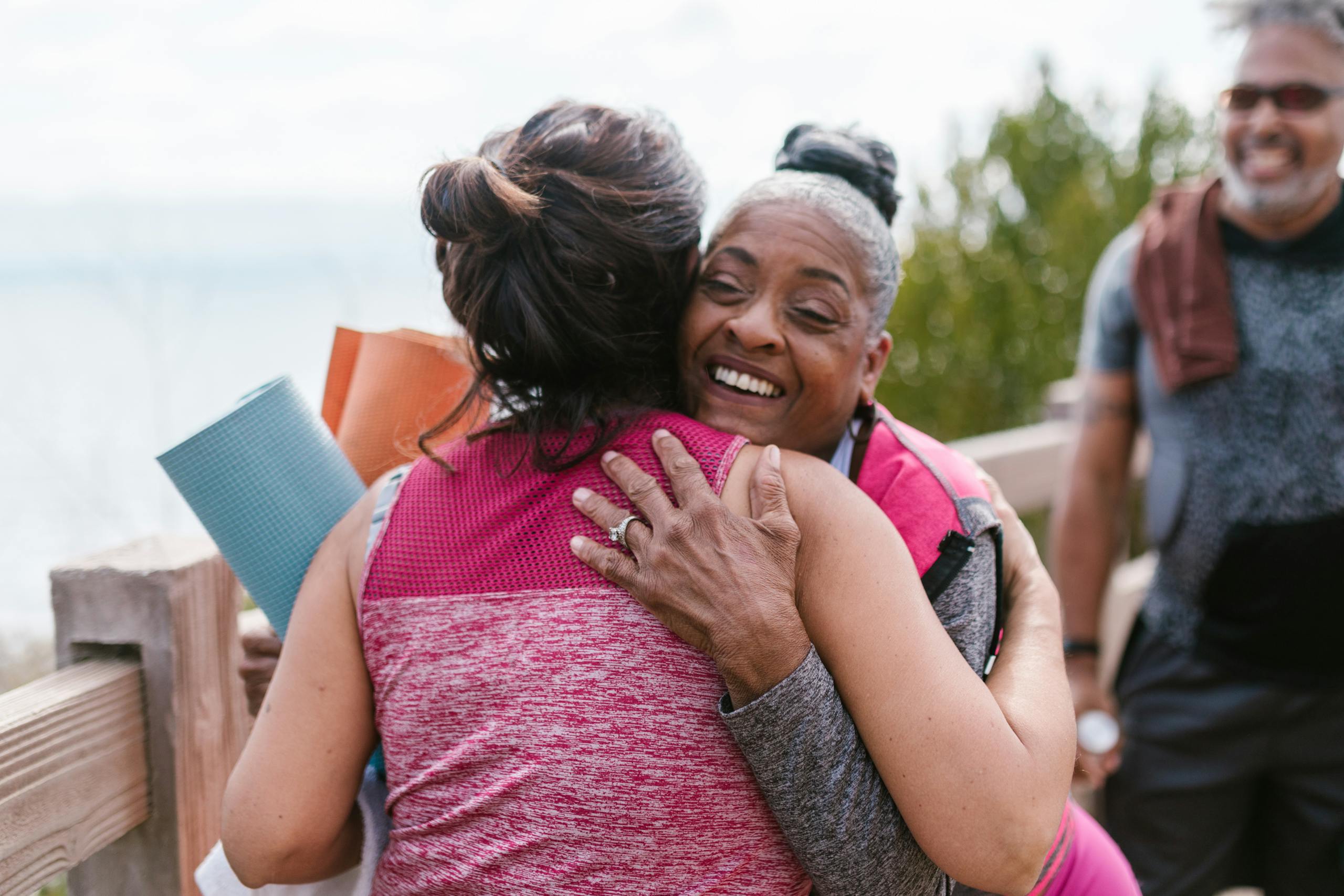
Community — the experience of belonging to something larger than a single relationship, of being known and held by a group of people who share something real with you — is one of the most powerful determinants of wellbeing across the entire lifespan, and one of the things most likely to erode in later life without deliberate attention. The communities that provided belonging in earlier decades — a workplace, a neighborhood with young families, a religious congregation, an organization built around child-rearing stages — don’t automatically provide the same belonging when life circumstances change, and many people find themselves in their mid-50s or 60s technically embedded in communities that no longer feel genuinely theirs.
The search for genuine community in later life is not a sign of social failure or inadequacy. It is the predictable result of the major life transitions that the 50s and 60s bring — retirement, children leaving, geographic moves, changing values and interests — disrupting the community structures that earlier life stages provided. Understanding it as a structural challenge rather than a personal one is the starting point for addressing it effectively.
What Community Actually Provides
Community provides several distinct things that individual friendships don’t and that formal social contact can’t replicate. It provides ambient belonging — the sense of being known and recognized without having to earn it in each individual encounter, the experience of walking into a room where you are expected and welcomed rather than where you must establish your presence from scratch. It provides collective meaning — participation in a shared project or identity that has significance beyond any individual relationship. And it provides social insurance — the informal network of mutual support that means help is available when it’s needed without having to formally ask for it.
Research by Robert Putnam and others on social capital finds that these community functions have concrete outcomes: people embedded in genuine communities have better health, recover more quickly from adversity, live longer, and report higher life satisfaction than those who have equivalent individual social connections but lack community membership. The effect is not explained entirely by the social contact involved; there is something specific to collective belonging that individual relationships, however good, don’t provide.
Where Communities Worth Joining Exist
The most durable communities are those organized around genuine shared purpose or identity rather than around demographic similarity or convenience. A faith community provides both a shared identity and a collective project that many people find irreplaceable as a source of belonging and meaning, regardless of the specific theology involved. A civic or political organization provides collective purpose and the specific satisfaction of contributing to something beyond individual welfare. A neighborhood association or local community organization provides geographic belonging and the specific quality of knowing and being known by the people who share your immediate physical world.
Interest communities — groups organized around a shared creative, intellectual, physical, or service pursuit — are particularly effective for people over 50 whose primary basis for community is no longer institutional (a workplace, a school) but personal. The hiking club, the community orchestra, the neighborhood garden collective, the local theater company — these are communities built around genuine enthusiasm for something shared, which produces a specific quality of belonging that obligation-based communities rarely match.
Building Community When None Exists
In communities or life circumstances where the right community doesn’t already exist, creating one is more accessible than most people assume. A book group of six people meets the minimum threshold for genuine community. A monthly dinner gathering of neighbors becomes a community over time. An online group organized around a specific interest that eventually produces local gatherings. The critical ingredients are consistency (the community has to meet regularly enough that relationships develop), genuine shared purpose (there has to be something real that the community is for beyond simply gathering), and enough critical mass that the community can sustain the inevitable attrition of participants whose circumstances change.
The person who creates a community — who initiates the gathering, maintains the structure, and invests in the relationships that hold it together — typically gets more from the community than those who join an existing one, because the act of creation produces ownership and investment that participation alone doesn’t. Starting a community is less intimidating than it sounds and more rewarding than most people who haven’t done it expect. The social infrastructure of later life is, in large part, built by people who decided to build it rather than waiting for it to appear.
Related Articles
- Long-Distance Relationships After 50: Making It Work Across the Miles
- Rebuilding Your Social World After Retirement: Why It’s Harder Than Expected and How to Do It Well
- How to Find Purpose After Retirement or a Major Career Change
- Building Your Cultural Community: How to Find Your People in the Arts After 50