





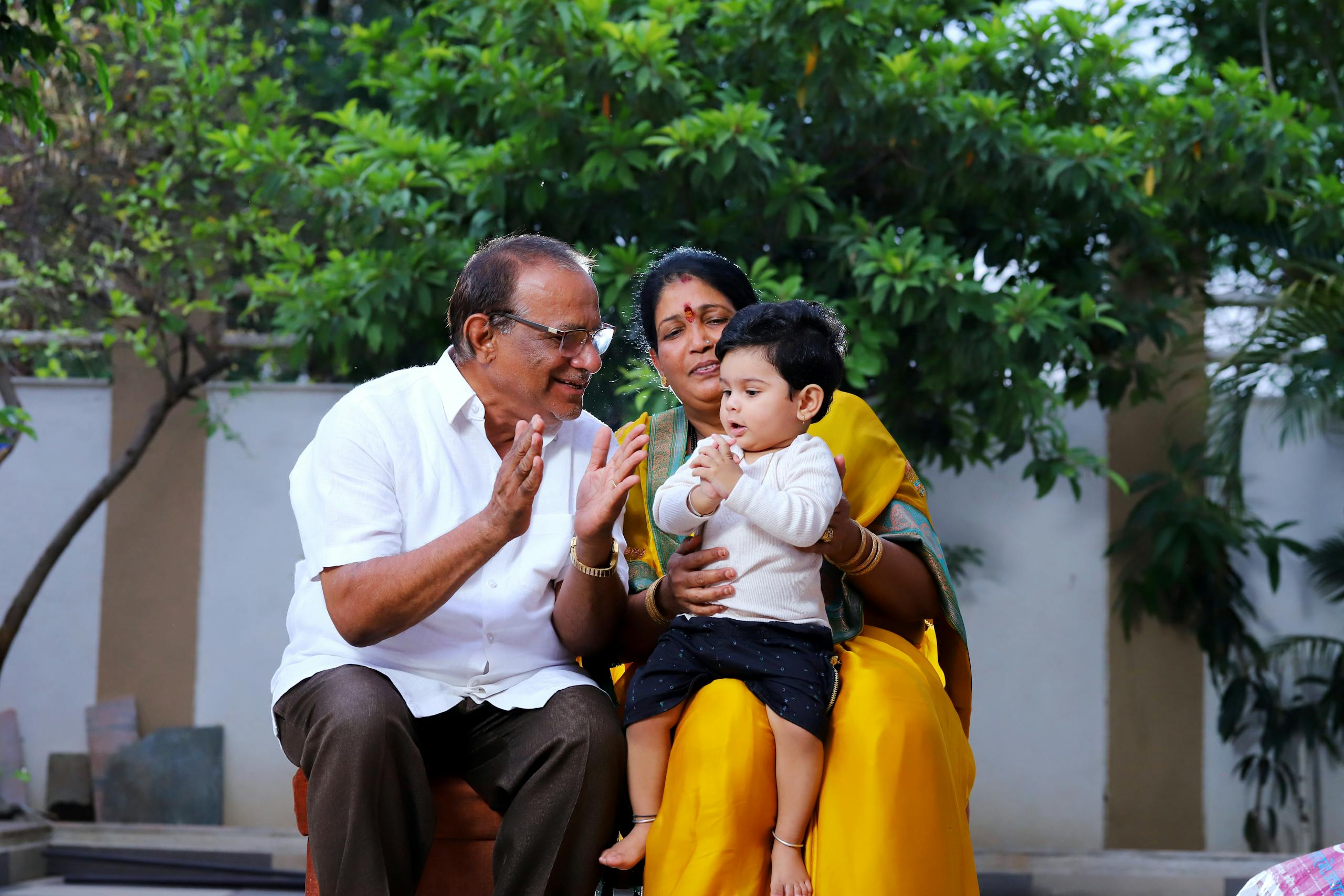
Step-Grandparenting: How to Build Genuine Bonds with Your Partner’s Grandchildren
Among the many new relationships that form in a late-life blended family, the one between a new partner and the other partner’s grandchildren is often the most surprising — and potentially the most joyful. Adult stepchildren may be guarded. The ex-spouse may be difficult. But grandchildren, particularly young ones, typically arrive without the history, the grievances, or the complicated loyalties that make other blended family relationships so challenging. They are simply children, encountering a new person in their grandparent’s life, and they will form their opinion of you based almost entirely on whether you show up for them warmly and consistently.
This is both an opportunity and a responsibility — and it requires navigating the parent layer (the adult stepchild) carefully even as you build directly with the children.
What Step-Grandparenting Actually Looks Like
The role of step-grandparent is not a standard cultural category. There is no established script for it, no clear set of expectations, no greeting card aisle for it. This ambiguity is both liberating and disorienting: you have freedom to define the relationship, and you have no map.
What most successful step-grandparents report is that the relationship eventually became something genuinely its own — not a replica of a grandparent-grandchild bond, but a particular kind of loving, interested, consistent presence that the children came to value on its own terms. The step-grandparent who takes an interest in a child’s specific passion — who becomes the person who always knows what book to buy, or who taught them to fish, or who never forgets what sport they play — occupies a unique and treasured place in that child’s life. The relationship does not need to be the same as a biological grandparent relationship to matter deeply.
The Parent Layer: Proceeding with Permission
The single most important factor in building a relationship with a partner’s grandchildren is the attitude of those children’s parents — your adult stepchildren. If they are welcoming, the path is relatively straightforward. If they are guarded or resistant, the path requires much more care.
Never attempt to build a relationship with the grandchildren over or around the parents’ heads. A new partner who pursues the grandchildren’s affection against the wishes of their parents creates a loyalty conflict for the children and genuine resentment in the parents that will damage both sets of relationships. The grandchildren’s parents set the terms of access and involvement, and respecting those terms — even when they feel more restricted than you would prefer — is the only sustainable approach.
This means that improving the relationship with your adult stepchildren is not separate from building a relationship with the grandchildren. It is the prerequisite. The adult stepchildren’s comfort with you determines the space you have with the children. Investing in those relationships, slowly and without pressure, is the foundation of everything else.
Practical Ways to Build the Step-Grandparent Relationship
Show genuine interest in who each child is. Not generic warmth but specific attention. What is this particular child interested in? What matters to them right now? A seven-year-old who knows that you remember they love dinosaurs, or a fourteen-year-old who knows that you take their interest in music seriously, experiences something quite different from a child who receives polite but generic adult attention. Specificity is the currency of genuine connection.
Create your own rituals with them. A standing tradition — even a small one — gives the relationship a specific texture. The step-grandparent who always brings a particular treat, or who has a specific game they play together, or who takes a child to a specific kind of event, becomes associated with something pleasurable and consistent. Over time, these rituals become part of the child’s experience of their family landscape.
Be there for the ordinary moments. School plays, recitals, sporting events, birthday parties — showing up at these events, without drama and without expectation, is how you become part of the fabric of a child’s life. You do not have to have a front-row seat. Being there is what matters.
Let the children define what they call you. Some step-grandchildren naturally adopt grandparent titles. Others use a first name. Some develop a specific nickname. Following the child’s lead — and the parents’ preferences — on this question prevents an unnecessary source of friction and allows the relationship to define itself organically.
The Long View
Step-grandparent relationships, like many things in blended families, tend to strengthen with time. Young grandchildren who grow up knowing you — who have years of shared experiences, inside jokes, and memories — develop genuine bonds that are not diminished by the “step” prefix. Adult grandchildren sometimes develop particularly close relationships with step-grandparents, precisely because the relationship was freely chosen rather than given, and because the step-grandparent showed up consistently when they were not required to.
The investment is slow, the rewards are real, and the relationship you build with these children can become one of the unexpected gifts of the second half of your life.
Related Articles
- Adult Stepchildren: Why This Is the Hardest Relationship in Any Blended Family — and How to Navigate It
- Starting Over Together: What Blended Families Really Look Like After 50
- When Adult Children Don’t Approve: Setting Boundaries While Keeping the Peace
- The Ex Factor: Managing Your Relationship with Former Spouses in a Blended Family
[…] Step-Grandparenting: How to Build Genuine Bonds with Your Partner’s Grandchildren […]
[…] Step-Grandparenting: How to Build Genuine Bonds with Your Partner’s Grandchildren […]
[…] Step-Grandparenting: How to Build Genuine Bonds with Your Partner’s Grandchildren […]
[…] Step-Grandparenting: How to Build Genuine Bonds with Your Partner’s Grandchildren […]
[…] Step-Grandparenting: How to Build Genuine Bonds with Your Partner’s Grandchildren […]