





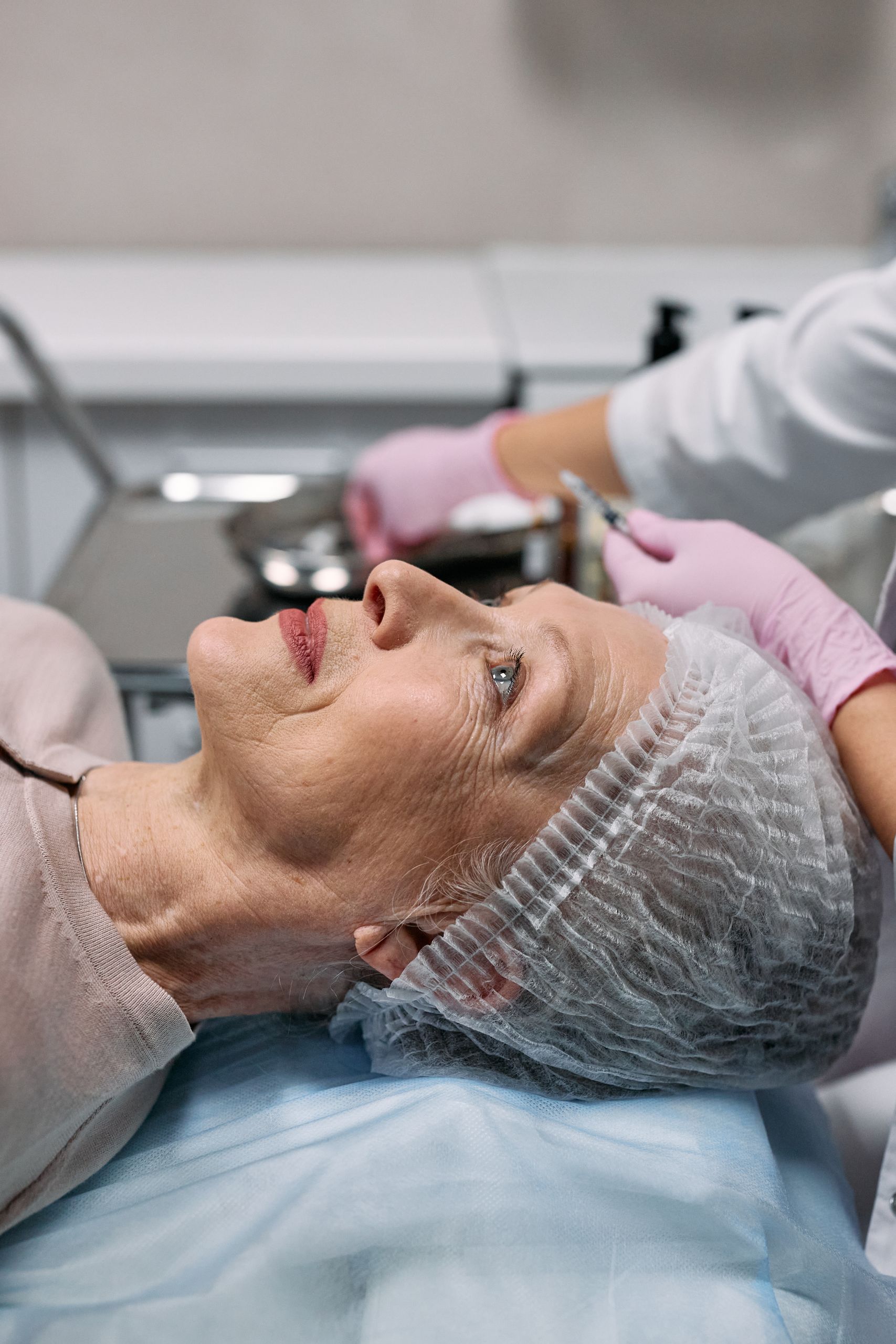
Aging And Positive Health Gains
A striking new Yale School of Public Health study suggests your attitude about aging and health may matter as much as diet or exercise. Researchers tracked nearly 4,000 adults ages 19 to 94 over three years and found that 45% of adults 65 and older improved in at least one physical or cognitive area — and a positive outlook on their own aging was the strongest predictor of who improved.
Why This Study Matters to You
For decades, aging has often been framed as a one-way decline, but this research pushes back on that narrative with real data. The Yale team found that people who held more positive beliefs about what it means to grow older were significantly more likely to see measurable gains in strength, mobility, memory, or mood over the three-year study period.
That’s a meaningful finding for adults 50+ navigating retirement, health changes, or new life chapters, because it suggests mindset isn’t just a feel-good idea — it’s a lever connected to concrete physical outcomes. It pairs well with our earlier piece on finding purpose in retirement, which explores the same idea from a different angle.
Key Facts & Context
The study followed adults ages 19 to 94 over three years, with a particular focus on how self-perceptions of aging tracked against actual health changes. Among participants 65 and older, 45% showed improvement in at least one measured area — a notable finding given that these age groups are typically expected to decline, not improve.
The research adds to a growing body of longevity science this year, including a separate analysis of 2.3 million adults finding that social isolation raises the risk of premature death by about 30%, roughly comparable to smoking 15 cigarettes a day. Together, these findings point to mindset and connection as two of the most under-used tools in healthy aging, a theme we expand on in staying socially connected after 50.
What This Means for You
Are you noticing negative self-talk about aging?
Phrases like “I’m too old for that” can become self-fulfilling. When you catch yourself thinking this way, try reframing it around what you can still do or learn, rather than what feels lost.
Have you set a new goal recently, even a small one?
Learning a skill, joining a class, or planning a trip signals to yourself that this life stage is still one of growth. Momentum toward a goal — however modest — reinforces a more positive aging outlook.
Is social connection part of your health routine?
Given the strong link between isolation and mortality risk, treat regular time with friends, family, or community groups as seriously as you would a doctor’s appointment.
Explore more: Coached by Bukky offers coaching for adults navigating new life chapters with purpose and confidence. Visit coachedbybukky.com
Looking Forward
This research doesn’t suggest that positive thinking alone reverses aging, but it does confirm that how you see your later years can shape how you actually live them. As more longevity science emerges this year, the throughline is consistent: mindset and connection are free, accessible tools that complement — not replace — good medical care. Adjusting how you talk to yourself about getting older may be one of the simplest health interventions available.