
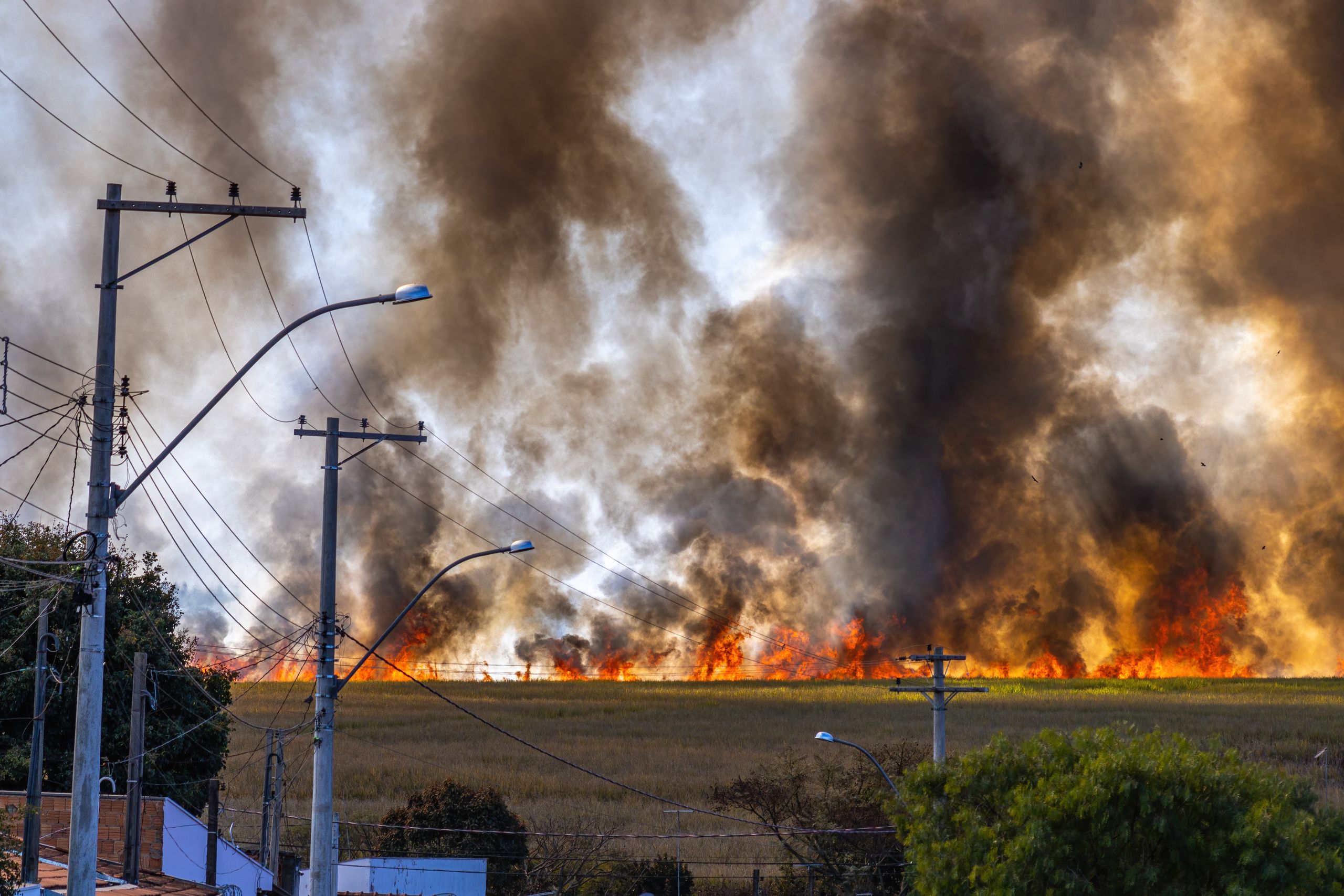
Wildfire Smoke Alerts: WhyAdults 50+ Should Stay Safe

Thick wildfire smoke from blazes in Canada and Minnesota is blanketing the Midwest and East Coast this week, triggering air quality alerts for millions of Americans. For adults over 50, this isn’t just a hazy inconvenience — wildfire smoke health risk climbs sharply with age, especially for anyone managing heart disease, COPD, or asthma. Knowing why your risk is different, and what to do about it, can keep a smoky week from turning into an emergency room visit.
Why This Matters to You
Wildfire smoke is packed with fine particulate matter known as PM2.5 — particles so small they slip past your body’s natural defenses and lodge deep in the lungs and bloodstream. Cardiovascular and respiratory systems naturally lose some resilience with age, which means the same smoky afternoon that mildly irritates a 30-year-old’s throat can push a 65-year-old with heart disease toward a genuine medical event.
Doctors have linked short-term smoke exposure to measurable spikes in heart attacks, strokes, and emergency visits for chronic obstructive pulmonary disease (COPD) among older adults. If you already take medication for blood pressure, heart rhythm, or lung disease, smoky air adds real strain on top of your baseline risk.
Key Facts & Context
Smoke from large wildfires burning in Canada and Minnesota has pushed air quality alerts across a wide swath of the Midwest and Northeast this week. Health officials note that PM2.5 levels can spike well above healthy thresholds even hundreds of miles from an active fire, and that older adults, along with young children and people with existing lung or heart conditions, are named explicitly in most air quality advisories as higher-risk groups. Symptoms to watch for include unusual shortness of breath, chest tightness, dizziness, or a persistent cough that feels different from a normal allergy flare.
What This Means for You
You don’t need to shelter indoors for days to stay safe — a few targeted habits go a long way when smoke rolls through your area.
Check your local air quality index daily
Look up your zip code on AirNow.gov or your phone’s weather app each morning. When the index reads “Unhealthy for Sensitive Groups” or worse, plan outdoor errands, walks, or gardening for a different day or an earlier, less smoky hour.
Keep indoor air genuinely clean
Close windows during smoke events, run your air conditioner or a portable air purifier with a HEPA filter, and avoid activities that add more particles indoors, like frying food or burning candles, until the air clears.
Know your personal warning signs
If you have heart or lung disease, ask your doctor in advance what symptoms should prompt an urgent call versus a same-day visit, and keep rescue medications like inhalers within easy reach during smoke advisories.
Explore more: A well-sealed, well-ventilated home is one of your best defenses against smoke days. See how Home360 can help you assess and upgrade your home’s air quality readiness.
Looking Forward
Wildfire seasons are trending longer and smokier across much of North America, which means air quality alerts are likely to become a recurring summer reality rather than a rare event. Building simple habits now — checking the index, prepping your indoor air, and knowing your own risk signs — means you’ll be ready the next time smoke rolls in, without added stress or last-minute scrambling.
For more on protecting your health during environmental hazards, see our coverage of the NYC Legionnaires’ outbreak and the recent cyclospora outbreak, or visit our Health & Wellness hub for more guidance on staying safe after 50.