
New Blood Test Predicts Alzheimer’s Risk a Decade Early

A new Alzheimer’s blood test can identify cognitively healthy older adults at high risk of developing symptoms up to a decade before memory problems begin. Presented this week at the Alzheimer’s Association International Conference and published in JAMA, the research marks one of the most significant advances yet in predicting Alzheimer’s risk early — and it gives adults 50 and older a genuine opportunity to plan ahead rather than react.
Why This Matters to You
For decades, an Alzheimer’s diagnosis typically arrived only after memory loss was already noticeable and disruptive. This new blood test changes that timeline. By measuring a biomarker called p-tau217, doctors can now estimate risk years before any symptoms appear, while patients are still fully independent and able to make informed decisions.
That head start matters. Early awareness opens the door to lifestyle adjustments, closer medical monitoring, and honest family conversations about future care and finances — all easier to navigate calmly than in a crisis.
Key Facts & Context
According to research presented at the conference, cognitively healthy older adults with very high p-tau217 levels had roughly a 78% risk of developing cognitive impairment within 10 years, and about a 1-in-3 chance within five years. Separate studies found that when primary care doctors had access to blood test results, their accuracy in identifying whether a patient’s symptoms were actually caused by Alzheimer’s improved considerably, reducing misdiagnosis and unnecessary worry.
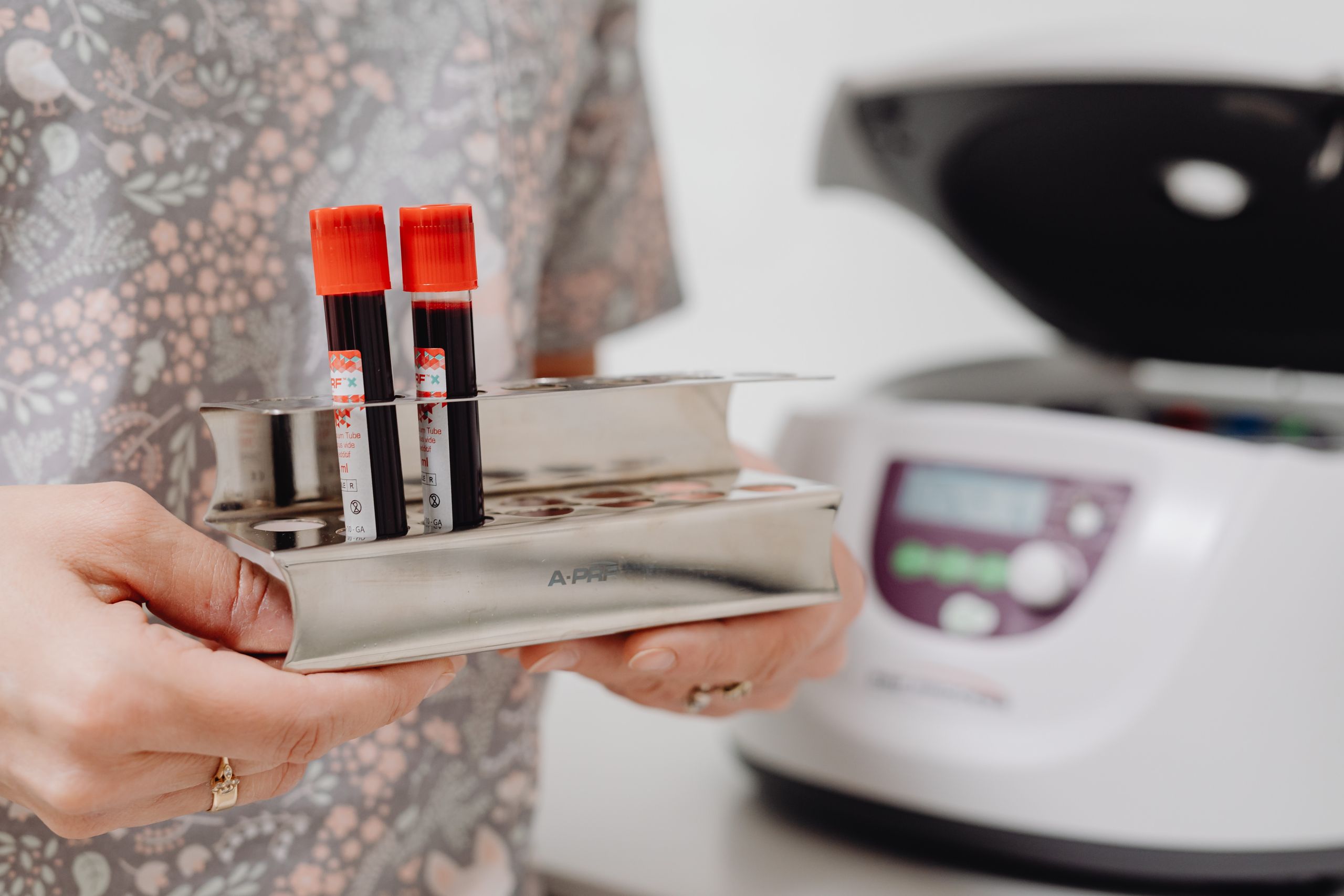
The test works by measuring p-tau217, a form of the tau protein that builds up in the brain years before amyloid plaques become dense enough to cause noticeable symptoms. Unlike a PET brain scan or spinal tap, a p-tau217 blood test is inexpensive, minimally invasive, and can be ordered through a standard blood draw at many primary care offices, which researchers say could dramatically expand access to early risk information, particularly for people who don’t live near a major memory-care center.
What This Means for You
A high-risk result isn’t a diagnosis, and it isn’t a sentence — it’s information you can act on.
Ask your doctor if testing makes sense for you
Blood-based testing is still rolling out and isn’t yet routine for everyone. If you have a family history of dementia or are noticing subtle memory changes, ask your primary care provider whether p-tau217 testing is appropriate for your situation.
Focus on modifiable risk factors now
Regardless of test results, managing blood pressure, staying physically active, prioritizing sleep, and keeping socially engaged are all linked to lower dementia risk and are worth strengthening at any age.
Start the planning conversation early
If your risk is elevated, use the extra time to update legal documents, discuss care preferences with family, and review long-term care coverage while you can participate fully in the decisions.
Explore more: Staying on top of emerging health technology can help you make informed choices. See how Principium Technology is helping older adults navigate new health tools with confidence.
Looking Forward
Researchers expect blood-based Alzheimer’s testing to become more widely available over the next few years, potentially becoming as routine as cholesterol screening. Insurance coverage and clinical guidelines are still catching up, so ask your doctor about cost and availability in your area before assuming the test is out of reach. As the science matures, the biggest benefit may simply be more time — time to plan, adjust, and make choices on your own terms, surrounded by family who are informed rather than blindsided.
For related coverage, read our report on the new telehealth billing protections, or browse our full Health & Wellness hub for more on preventive care after 50.