





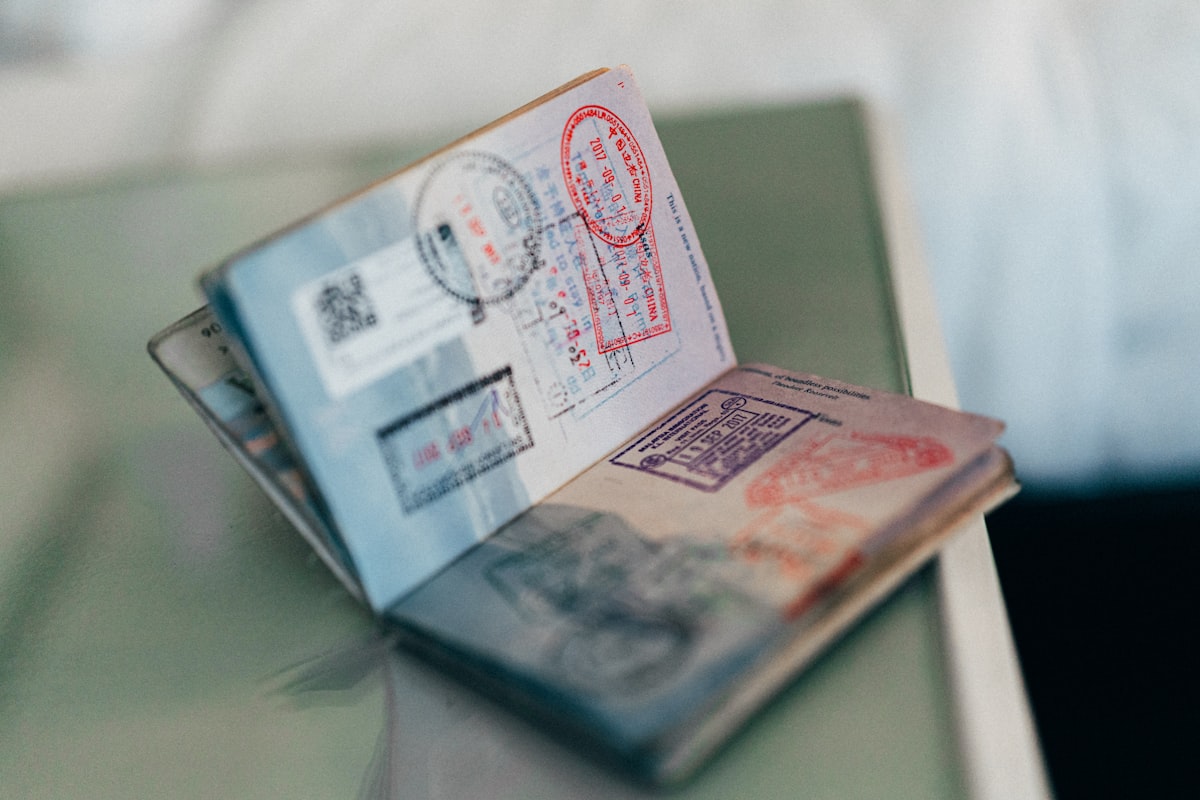
Tax Implications of Working Remotely from Another Country as a US Citizen
Taxes are the most misunderstood aspect of the Travel & Thrive lifestyle — and the area where getting it wrong is most expensive. The good news: the US tax system, despite its complexity, actually offers significant advantages for Americans living and working abroad. The key is understanding the rules and working with a professional who knows them.
The Fundamental Rule: US Citizens Are Taxed on Worldwide Income
The United States is one of only two countries in the world (the other is Eritrea) that taxes its citizens on worldwide income regardless of where they live. This means that even if you move to Portugal, establish legal residency there, and earn all your income from European clients — you still owe US federal income taxes on that income.
This surprises many people who assume that moving abroad eliminates US tax obligations. It doesn’t. US citizenship carries US tax obligations. The only way to fully exit the US tax system is to renounce citizenship, which is an extreme step with significant financial and personal consequences that the vast majority of Travel & Thrive professionals have no need to consider.
The Foreign Earned Income Exclusion (FEIE)
The FEIE is the most significant tax benefit available to Americans living and working abroad. It allows you to exclude a substantial amount of foreign earned income from US federal income tax — in 2024, up to $126,500 per person (this amount is adjusted for inflation annually).
To qualify for the FEIE, you must meet one of two tests:
Bona Fide Residence Test: You are a bona fide resident of a foreign country (or countries) for an uninterrupted period that includes an entire tax year. Establishing genuine residency — through a legal residency visa, local ties, and demonstrated intent to remain — satisfies this test. This is the test most Travel & Thrive professionals with digital nomad or resident visas use.
Physical Presence Test: You are physically present in a foreign country (or countries) for at least 330 full days in any 12-month period. This is a more mechanical test — you don’t need to establish residency, just be outside the US. Useful for professionals who haven’t yet established formal foreign residency.
What “earned income” means: The FEIE applies to wages, salaries, and self-employment income earned for services performed abroad. It does not apply to passive income (dividends, rental income, capital gains) or to income earned in the US.
Foreign Tax Credit (FTC)
Many countries where Travel & Thrive professionals live also tax their residents on local income. The Foreign Tax Credit allows you to offset your US tax liability dollar-for-dollar with taxes paid to a foreign government on the same income — preventing true double taxation.
The interplay between the FEIE and the FTC is complex and situation-dependent. In general: the FEIE is more valuable when you’re in a lower-tax foreign country; the FTC is more valuable when foreign taxes are high (Europe, for example). Your expat CPA can model the optimal approach for your specific situation.
State Taxes: The Overlooked Complication
Moving abroad doesn’t automatically eliminate your state tax obligations — and this catches many people off guard. Some states (California, New York, and others) aggressively pursue income tax from former residents, requiring demonstrable evidence that you’ve abandoned domicile in the state.
Before departing, establish domicile in a state with no income tax (Florida, Texas, Nevada, Washington, Wyoming, South Dakota, or New Hampshire) if possible. This typically involves registering to vote there, getting a state ID or driver’s license, and demonstrating other connections. Your CPA can guide this process.
FBAR and FATCA: Foreign Account Reporting
US citizens with foreign financial accounts are subject to reporting requirements regardless of whether taxes are owed:
FBAR (FinCEN Form 114): Required if you have foreign bank accounts with a combined balance exceeding $10,000 at any point during the year. Filed separately from your tax return through FinCEN’s BSA filing system. Penalties for non-filing are severe.
FATCA (Form 8938): Required if foreign financial assets exceed certain thresholds ($50,000–$200,000 depending on filing status and location). Filed with your tax return.
If you open a local bank account abroad (as recommended), FBAR reporting applies. This is an administrative requirement, not an additional tax — but it must be filed.
Self-Employment Tax
As a fractional professional working as a sole proprietor or single-member LLC, you owe self-employment tax (15.3% on net self-employment income) in addition to income tax. The FEIE does not reduce your self-employment tax liability — only your income tax. This is an important planning point: even with zero federal income tax via the FEIE, you still owe self-employment tax on fractional income.
Some countries have Totalization Agreements with the US that can reduce or eliminate double social security taxation. Portugal, Spain, Mexico, and many EU countries have such agreements — another area where your CPA’s guidance is essential.
Essential Tax Team for Travel & Thrive
Work with a CPA or enrolled agent who specializes specifically in US expat taxation — not just a general CPA. The AICPA, National Association of Enrolled Agents, and the directory at americanstaxabroad.com list qualified expat tax professionals. Expect to pay $500–$1,500 annually for a thorough expat return.
The cost of good expat tax advice pays for itself many times over through proper FEIE elections, FTC optimization, state domicile planning, and avoiding the significant penalties that come from filing errors in this area.
[…] Tax Implications of Working Remotely from Another Country as a US Citizen […]
[…] Tax Implications of Working Remotely from Another Country as a US Citizen […]