





Nor’easter Is Here: 4 Essential Things You Need to Know to Stay Safe
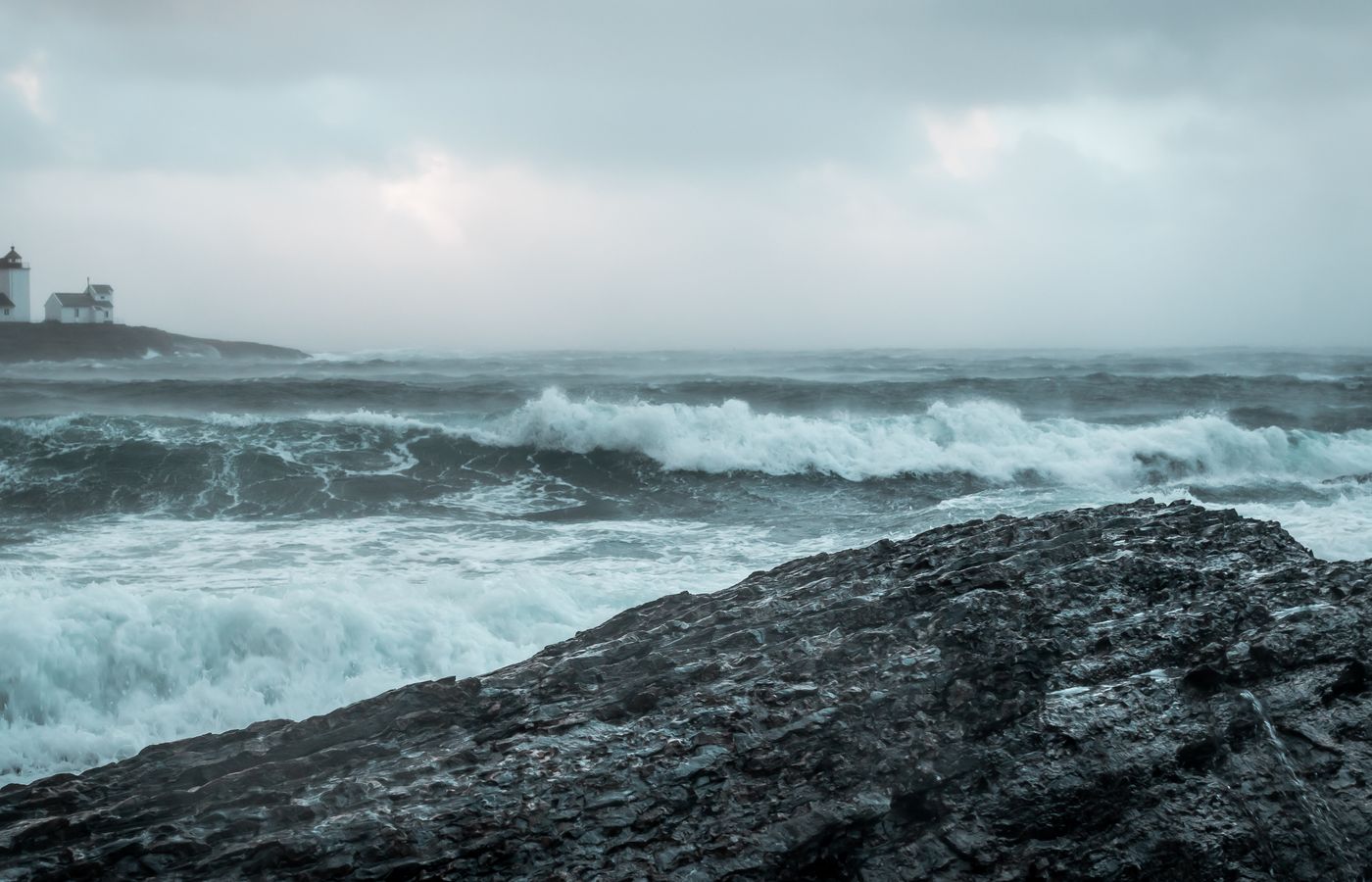
A rare September nor’easter is battering the East Coast this weekend, and more than 40 million people from the Carolinas to New England are in its path. Forecasters warn of wind gusts up to 60 mph, moderate to major coastal flooding and widespread power outages. For older adults, especially those who rely on electricity for medical equipment, a little preparation today can make a big difference.
Why This Nor’easter Matters to You
Nor’easters usually strike in winter. This one is unusual because it arrived in September, when many people have not yet prepared their homes for storm season.
Older adults face higher risks during storms. Power outages can shut down oxygen concentrators, CPAP machines and refrigerated medications. Wet steps and dark hallways raise the chance of falls. And flooded roads can cut off access to pharmacies and doctors for days.
Key Facts About the Storm
- Coastal flooding of 1 to 3 feet above high tide is expected from North Carolina to Nantucket, with Virginia Beach and Norfolk at highest risk.
- Waves could reach 12 feet near Ocean City, New Jersey, and up to 22 feet off New England.
- A full moon Saturday night may push tides higher and worsen flooding.
- Rain totals could equal a month’s worth in parts of Rhode Island and Massachusetts, including Boston.
AccuWeather and The Weather Channel say the strongest winds will hit eastern Long Island, Providence, Cape Cod and the Boston area on Friday and Saturday.
What This Means for You
You do not need to panic, but you should act now while stores are open and roads are clear.
Do I Have Enough Medicine and Power Backup?
Refill prescriptions today if you are running low. Charge phones, hearing aid batteries and portable power banks. If you use powered medical equipment, confirm your backup battery works and tell your utility you depend on it. Keep a cooler and ice packs ready for insulin or other refrigerated drugs.
How Can I Prevent Falls When the Lights Go Out?
Place flashlights or battery lanterns in every room, beside your bed and near stairs. Skip candles, which are a fire risk. Clear walkways, and keep a pair of non-slip shoes by the door. Never run a generator indoors or in a garage because of carbon monoxide danger.
Are My Home Records Ready for an Insurance Claim?
Take photos of each room and your belongings before the storm arrives. Keep policies and receipts in a waterproof bag or saved digitally. A home management tool like Home360 stores home documents, appliance details and service provider contacts in one place, which makes filing a flood or wind claim much easier.
Who Should I Check On?
Set up a buddy system with a neighbor, friend or family member. Agree to call each other at set times. If you live in a flood-prone area and officials call for evacuation, go early.
Looking Forward: Storm-Ready Living
With forecasters also watching a developing Super El Niño, active weather may continue this fall and winter. Use this storm as a chance to build lasting habits. Learn more about staying safely in your home with our look at a new aging-in-place model, and weigh your options in our guide for downsizers. Track live updates from The Weather Channel.