





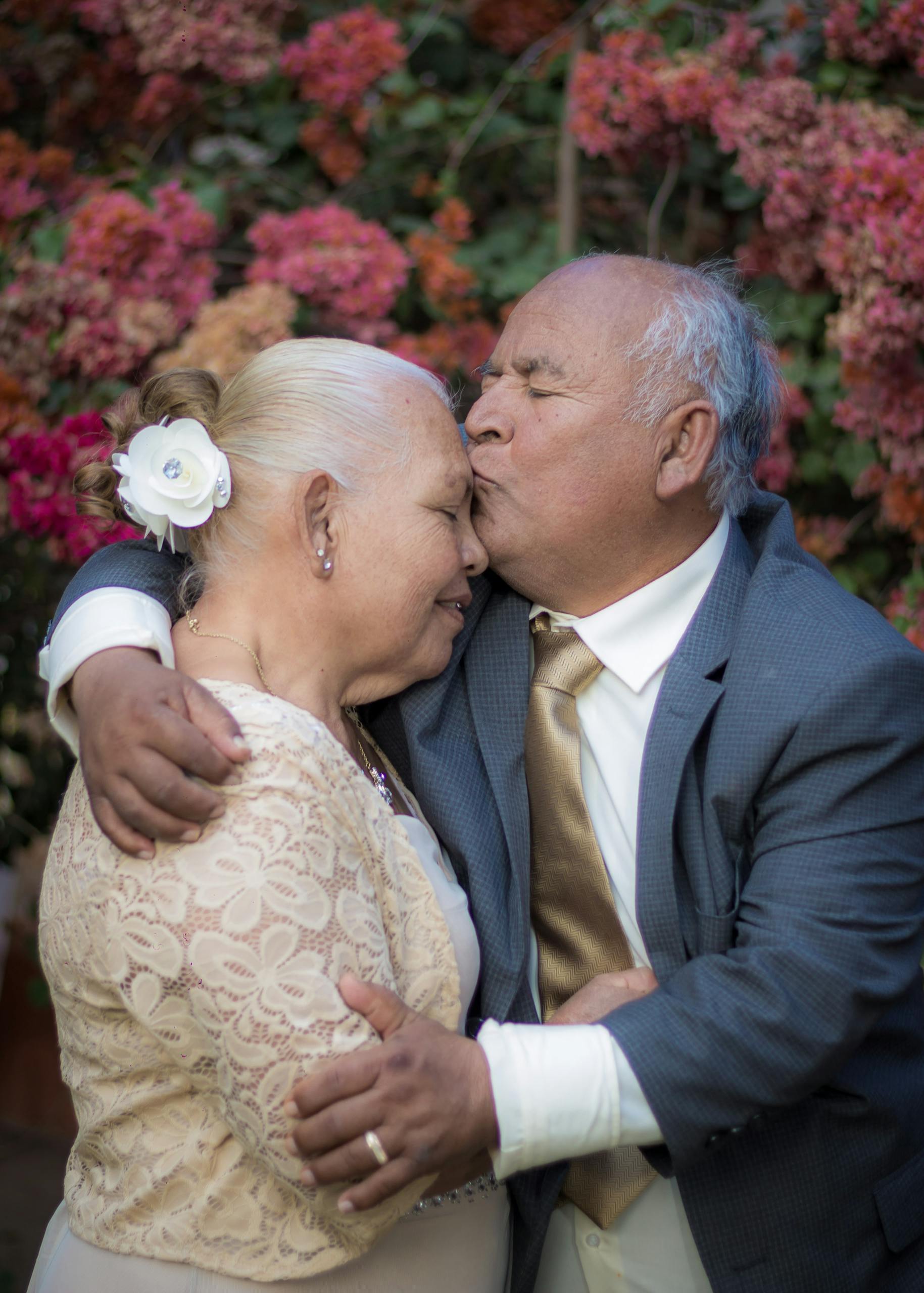
Remarriage After 60: What’s Different, What’s Better, and What to Watch Out For
Second and third marriages that begin after 60 are, statistically and anecdotally, different animals from first marriages and from remarriages earlier in life. The people entering them are different — more self-aware, more certain about what they need, more finished with the people-pleasing and self-editing that younger relationships often require. The motivations are different — less about building a life together from scratch and more about sharing and enriching lives already richly built. And the challenges are different — financial complexity, adult children, health considerations, competing roots in different places.
Understanding what makes later-life remarriage distinctive — in its gifts and its pitfalls — is the best preparation for doing it well.
What Is Actually Better
Self-knowledge. By 60, most people have a clear sense of who they are, what they need, and what they cannot live with. The process of self-definition that consumes so much energy in younger relationships — and so often leads to choosing partners who fit who you are trying to become rather than who you are — is largely complete. You know yourself. This makes compatibility assessment much more accurate and much faster.
Communication. People who have been through one or more long relationships — including ones that ended — typically have a more developed capacity for difficult conversation than they did at 30. They have a better understanding of what happens when things go unsaid, what resentments feel like when they have accumulated over years, and why honesty early is so much less costly than honesty deferred.
Presence. Without young children, demanding careers, and the performative social pressures of earlier life stages, later-life couples often find that they can be genuinely, fully present with each other in a way that was difficult earlier. The relationship gets the attention it deserves.
Reduced external pressure. No one is waiting for you to get engaged. No biological clock is ticking. No parents are asking when you are going to settle down. The relationship can develop at its own pace, driven by what actually makes sense for both of you rather than by external timelines.
What to Watch Out For
Marrying too quickly. The intensity of later-life romance — the relief of connection after loneliness, the urgency that comes with awareness of time — can accelerate things beyond what is wise. A relationship needs time to show itself fully. People present their best selves in the first year. Give the relationship at least one full year — including vacations, holidays, and the ordinary stresses of daily life — before making an irrevocable commitment.
Unresolved grief. Someone who has not fully grieved a previous spouse — either through death or divorce — is not fully available for a new marriage. They may seem ready, and may believe they are ready, but the unfinished emotional business of the previous relationship will surface. Look for signs that your potential spouse has genuinely processed their past, not simply moved away from it.
Financial complexity ignored. The financial implications of remarriage after 60 are significant and deserve explicit, unhurried attention. Retirement income, Social Security, estate plans, asset protection, tax implications of marriage — these are not romantic subjects, but they are consequential ones. Do not allow the romance to crowd out the planning.
Health realities underestimated. Marrying someone in later life means potentially becoming their caregiver. This is not a reason not to marry — it is a reason to discuss it honestly. What are each person’s health situations? What do you each expect in terms of caregiving if one of you becomes seriously ill? What does your support network look like? These conversations are acts of care, not pessimism.
Adult children handled poorly. Rushing the introduction of a new spouse to adult children — or, worse, surprising them — creates opposition that patient, thoughtful introduction might have avoided. Allow family relationships to develop gradually. Do not expect — or demand — that your children immediately embrace someone they have had no time to know.
Making It Work: The Foundations
Later-life marriages that thrive tend to share several characteristics. They involve two people who are independently whole — not looking for someone to complete them but for someone to complement a life already well-built. They involve explicit, ongoing conversation about expectations — domestic arrangements, finances, family dynamics, health, and the future. They involve mutual respect for the histories each person brings, rather than competition with the past. And they involve the willingness to keep building — to not assume that the good beginning will sustain itself without continued investment.
A later-life marriage, entered thoughtfully and built carefully, can be among the most profound relationships of a life. The people who find their way into one consistently describe it as the best thing that happened to them — and they mean it.
Related Articles
- Love & Connection After 50: Your Complete Guide to Relationships in the Second Half of Life
- Do You Know Your Retirement Number? How to Calculate What You Actually Need
- The Companionship Question: What Kind of Partnership Do You Actually Want After 50?
- Financial Conversations You Must Have Before Committing to a New Partner After 50
[…] Remarriage After 60: What’s Different, What’s Better, and What to Watch Out For […]