





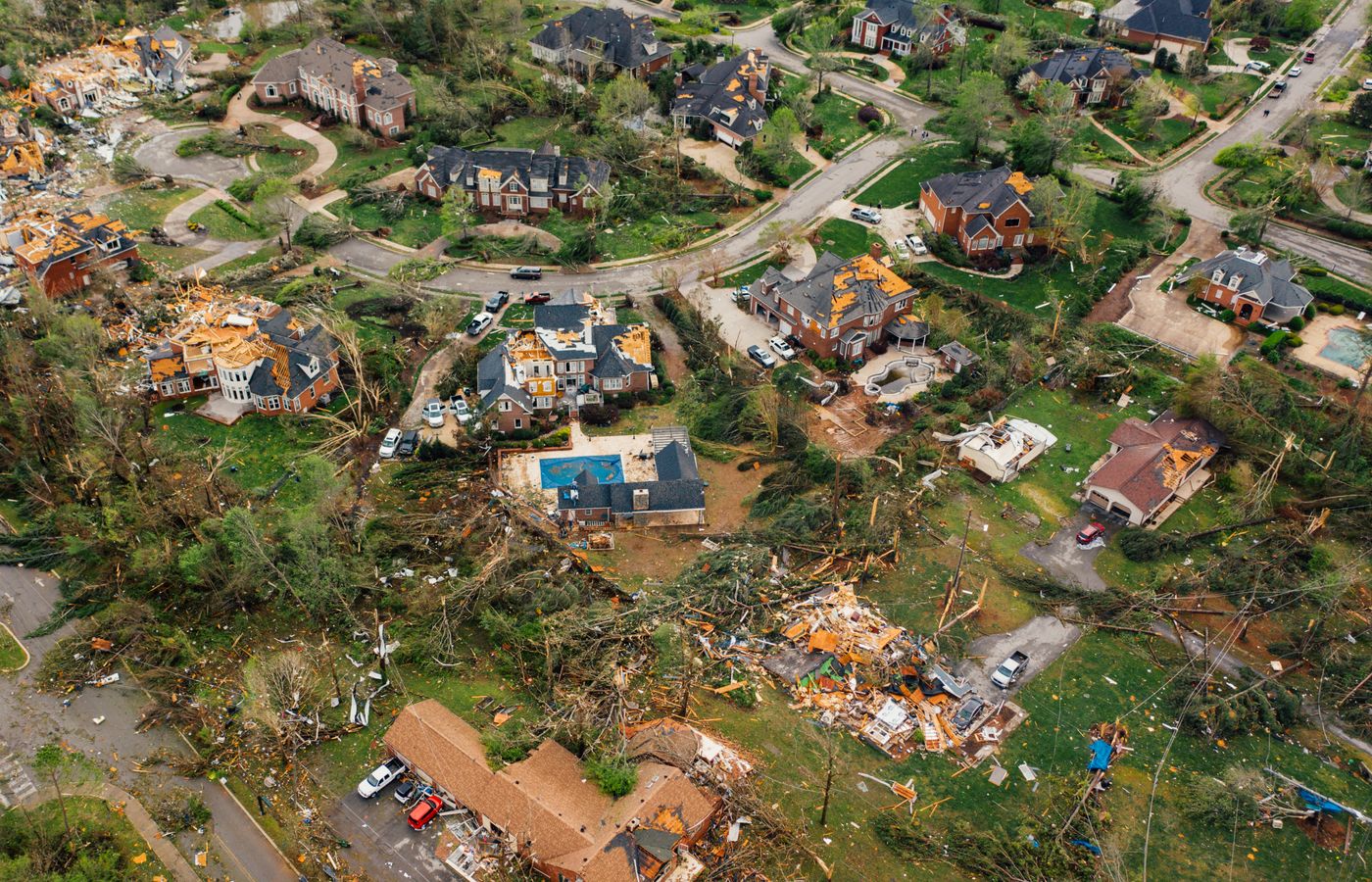
Nor’easter Damage: 4 Essential Steps Older Homeowners Should Take Now
A rare September nor’easter pounded the East Coast this weekend, leaving nor’easter damage from North Carolina to New England. More than 130,000 customers lost power, winds hit 81 mph at Montauk, and king tides pushed seawater into streets and homes. If you are an older homeowner in the storm zone, the next few days matter most.
Why This Nor’easter Damage Matters to You
Storm recovery is harder when you live alone, manage health conditions, or rely on powered medical equipment. A long outage can affect oxygen machines, refrigerated medications and home heating.
The storm was also deadly. A 56-year-old worker in Brooklyn was killed by a falling tree, and four others were hurt by another. Downed trees and wires remain a danger during cleanup.
Finally, the money side matters. For many retirees, the home is their largest asset. Mistakes in the first week after a storm can cost thousands in denied or delayed insurance claims.
Key Facts & Context
- States of emergency were declared in New Jersey and southern New York.
- Power outages: New York was hit hardest, with about 50,000 customers out in New Jersey and 25,000 in Connecticut.
- Coastal flooding reached from Massachusetts to Virginia, worsened by the month’s full-moon king tides.
- Travel: Boston Logan saw delays of more than four hours on Sunday.
Forecasters said coastal flooding could linger into Monday before the storm finally pulls away. In North Carolina, coastal Highway 12 was broken apart by flooding and erosion, and a woman and her dog were rescued from a flooded car in Sea Bright, New Jersey.
What This Means for You
Whether your home took a direct hit or just lost power, these proven steps protect your safety and your wallet.
Action 1: Have You Photographed Everything Before Cleanup?
Before you move debris or throw anything away, take photos and video of every damaged area, inside and out. Insurers want proof of the damage as it was. Keep receipts for tarps, hotel stays and repairs, since many policies reimburse these costs.
Action 2: Do You Know What Your Policy Covers?
Standard homeowners policies usually cover wind and fallen-tree damage. They generally do not cover flooding from rising water. That requires separate flood insurance. Call your insurer promptly to open a claim and ask about deadlines.
Action 3: Is That Contractor Legitimate?
After big storms, “storm chasers” go door to door offering quick repairs for cash up front. Never pay in full before work is done. Verify a license, get written estimates, and ask your insurer before signing anything.
Action 4: Are Your Home Records Ready for the Next Storm?
Store policies, appliance details and trusted service providers in one place. A home management tool like Home360 keeps your property records, home documents and maintenance reminders organized, so you are not searching for paperwork during an emergency.
Planning longer term? Read about the new aging-in-place model and why most boomers are skipping the big downsize.
Looking Forward
Storms like this are arriving earlier in the season, and coastal homes face growing flood risk. Use this week’s recovery to build a simple plan: a go-bag, backup power for medical devices, and organized home records.
If you use oxygen or other powered medical equipment, ask your utility about its medical priority list. Many utilities flag these homes for faster outreach during outages.
Check on neighbors who live alone, too. A quick knock on the door can make a real difference.
Source: The Weather Channel, Al Jazeera.
[…] guide to handling storm damage as an older homeowner walks through the first days after an event. It is also wise to check your inventory against recent […]