





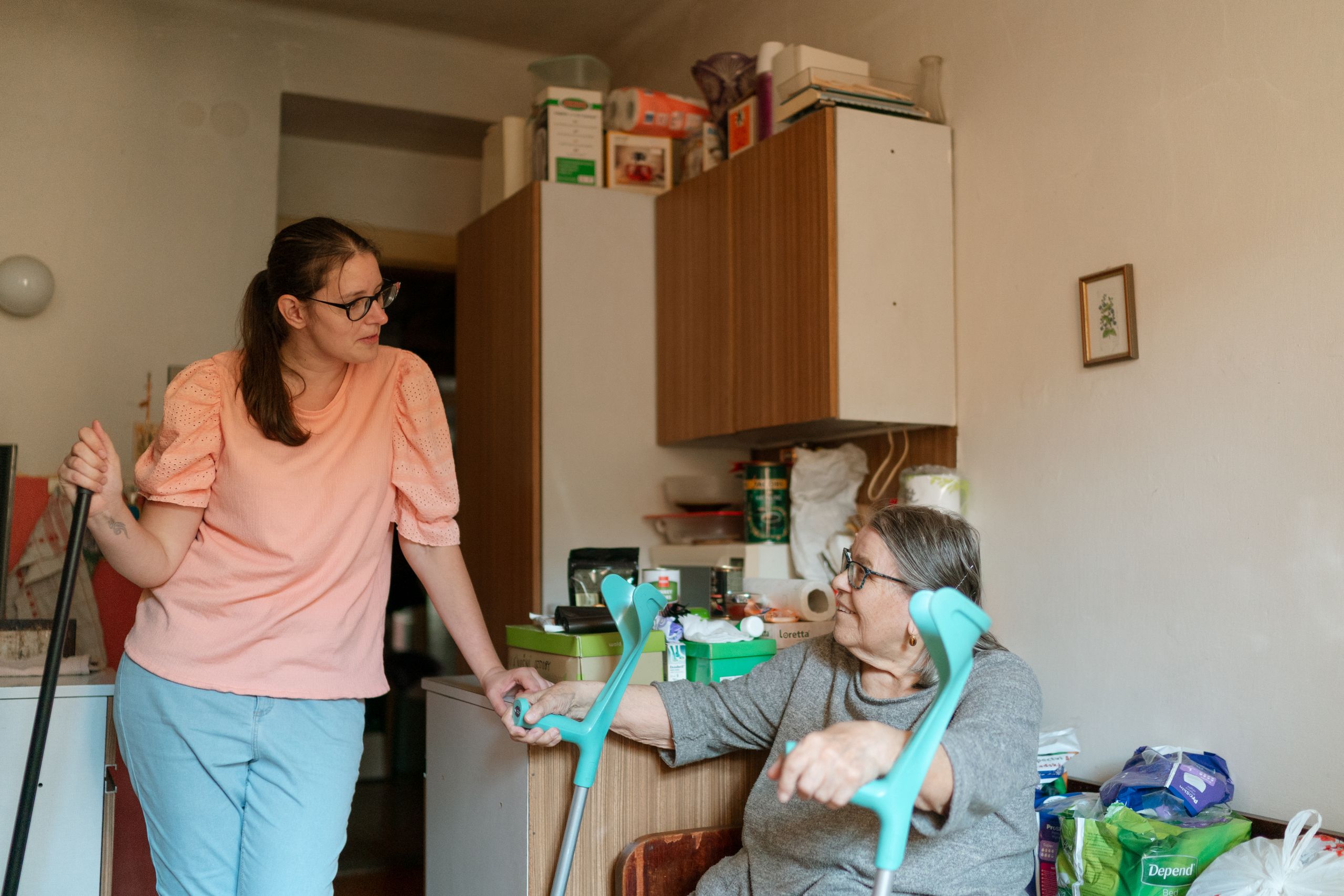
More Caregiver Support Programs : Preventing Burnout with New Resources
If you’re a family caregiver—or considering becoming one—2026 brings expanded resources designed to prevent burnout and make caregiving more sustainable. Modern caregiver support programs now integrate respite care, telehealth, mental health support, and practical education, addressing both the senior’s needs and the caregiver’s wellbeing. Understanding what’s available helps you avoid isolation and health crisis.
Why Caregiver Support Isn’t Optional—It’s Essential
Caregiving is deeply rewarding but chronically stressful. Studies show caregivers without adequate support face higher rates of heart disease, cognitive decline, depression, and health problems. This isn’t moral weakness—it’s a documented health effect of chronic stress. Recognizing this and accessing support isn’t quitting; it’s preserving your ability to provide care long-term.
The Caregiver Burnout Reality
Many family caregivers experience exhaustion, emotional depletion, and health decline from unrelenting demands. The constant vigilance—managing medications, coordinating appointments, handling emergencies, providing emotional support—accumulates. Without breaks, caregiver health deteriorates, which ironically reduces quality of care. This is why respite care and support programs are medical necessities, not luxuries. Contact a Coach to get help in balancing life.
Expanded Respite Care Options in 2026
In-Home Respite Care
Paid caregivers come to your home, allowing you a real break. Hours range from a few hours weekly to overnight coverage. Many Medicare and insurance plans help cover costs.
Adult Day Care Programs
Your loved one spends 4-8 hours in a supervised facility with activities, meals, and social engagement. You get focused time for yourself. Programs range from specialized (memory care, skilled nursing) to general senior day care.
Short-Term Residential Placement
Your loved one stays at a facility overnight or for several days while you take an extended break. This option suits caregivers needing substantial relief or facing planned absences.
Telehealth: Transforming Access to Support
Virtual care reaches you: Telehealth platforms now offer virtual doctor consultations, therapy sessions, and caregiver training programs—all accessible from home. If you’re caring for someone with diabetes, you can attend a online class about managing the condition. If you need to talk to a therapist about caregiver stress, you do it via video without leaving home.
AI support tools: Applications now schedule appointments, send medication reminders to your loved one, and provide companionship through conversational AI. While technology doesn’t replace human connection, these tools handle logistics, freeing you to focus on relationship.
Rural access: For caregivers in rural areas—who historically had limited support options—telehealth is transformative. Quality care and training now reaches you regardless of location.
Comprehensive Support for Whole-Life Caregiving
Action 1: Access Caregiver Support Groups
In-person or online groups connect you with others facing similar challenges. These groups provide emotional support, practical advice (“What worked for us…”), and reassurance that you’re not alone. The Caregiver Action Network and Family Caregiver Alliance offer free resources and support.
Action 2: Prioritize Mental Health Support
Caregiver depression and anxiety are common but often unrecognized. Access to therapy or counseling specifically for caregivers is transformative. Some programs include respite care subsidies specifically so caregivers can pursue personal interests—recognizing that your wellbeing feeds back into quality caregiving.
Action 3: Learn About Your Loved One’s Condition
Caregiver training programs—now available via telehealth—teach you disease-specific knowledge (managing Alzheimer’s, diabetes care, wound care, etc.). Understanding what you’re managing reduces anxiety and improves your effectiveness.
Action 4: Arrange Regular Respite Care, Not Just Emergencies
Schedule respite care routinely—weekly or monthly—so breaks are predictable rather than crisis-driven. This prevents the accumulation that leads to burnout.
Finding Resources in Your Area
Start here: Contact your local Area Agency on Aging (AAA)—they connect you with community resources specific to your area. Ask your healthcare provider about caregiver support programs they recommend. Check whether your employer offers caregiver benefits or Employee Assistance Programs (many do). Investigate whether your loved one qualifies for Medicare or Medicaid—ask about covered services including respite care.
Looking Forward
Caregiving is one of life’s most meaningful experiences, but it doesn’t have to mean sacrificing your own health and wellbeing. The infrastructure to support you—respite care, mental health resources, educational programs, telehealth access—now exists more robustly than ever. Your role is to access it. Talk with family about what support you’ll need. Arrange respite care now. Take advantage of educational resources. Most importantly, remember: seeking support isn’t abandoning your loved one. It’s ensuring you can provide the best care possible for as long as needed.