





Hawaii Volcanoes National Park: 3 Essential Tips After Sea Arch Collapse
Planning a trip to Hawaii Volcanoes National Park? Two changes this week reshape the visit. The park’s famous 90-foot Hōlei Sea Arch has collapsed into the Pacific, the National Park Service confirmed October 1. That same day, nearly 100 earthquakes at Kīlauea’s summit prompted the park to close the Keanakākoʻi area. Here are essential tips for travelers over 50.
Why Hawaii Volcanoes National Park News Matters to You
Hawaiʻi Volcanoes is a bucket-list destination for many retirees and grandparents. It offers rare, close-up views of an active volcano.
But the landscape changes fast. Cliff edges can collapse without warning, and trails can close overnight. Volcanic gas, known as vog, can irritate the lungs, a concern for anyone with heart or breathing conditions.
The park also covers a lot of ground. Many popular stops require walking on uneven lava rock, and services are limited once you leave the main visitor areas.
Knowing the latest conditions helps you plan a safe, rewarding trip instead of a disappointing one.
Key Facts & Context
- Sea arch gone: The roughly 550-year-old arch was standing on September 23 but had fallen by September 27, possibly during Tropical Storm Nolo.
- Earthquake swarm: USGS recorded 98 shallow earthquakes in 24 hours, the largest a magnitude 3.4, as magma moved beneath the summit.
- Closures: Old Crater Rim Drive, the Keanakākoʻi overlooks and part of the Crater Rim Trail are temporarily closed. Chain of Craters Road remains open.
- Alert level: Kīlauea stays at ORANGE/WATCH, meaning heightened unrest and an increased chance of eruption.
The arch had been weakening for years. Earthquakes in 2018 damaged nearby cliffs, and the original viewing area closed in 2020. The park warns that people have been entering closed areas near the site, putting themselves and rescuers at risk. Our story on the Isle Royale rescue and solo travel safety lessons shows why those rules matter.
What This Means for You
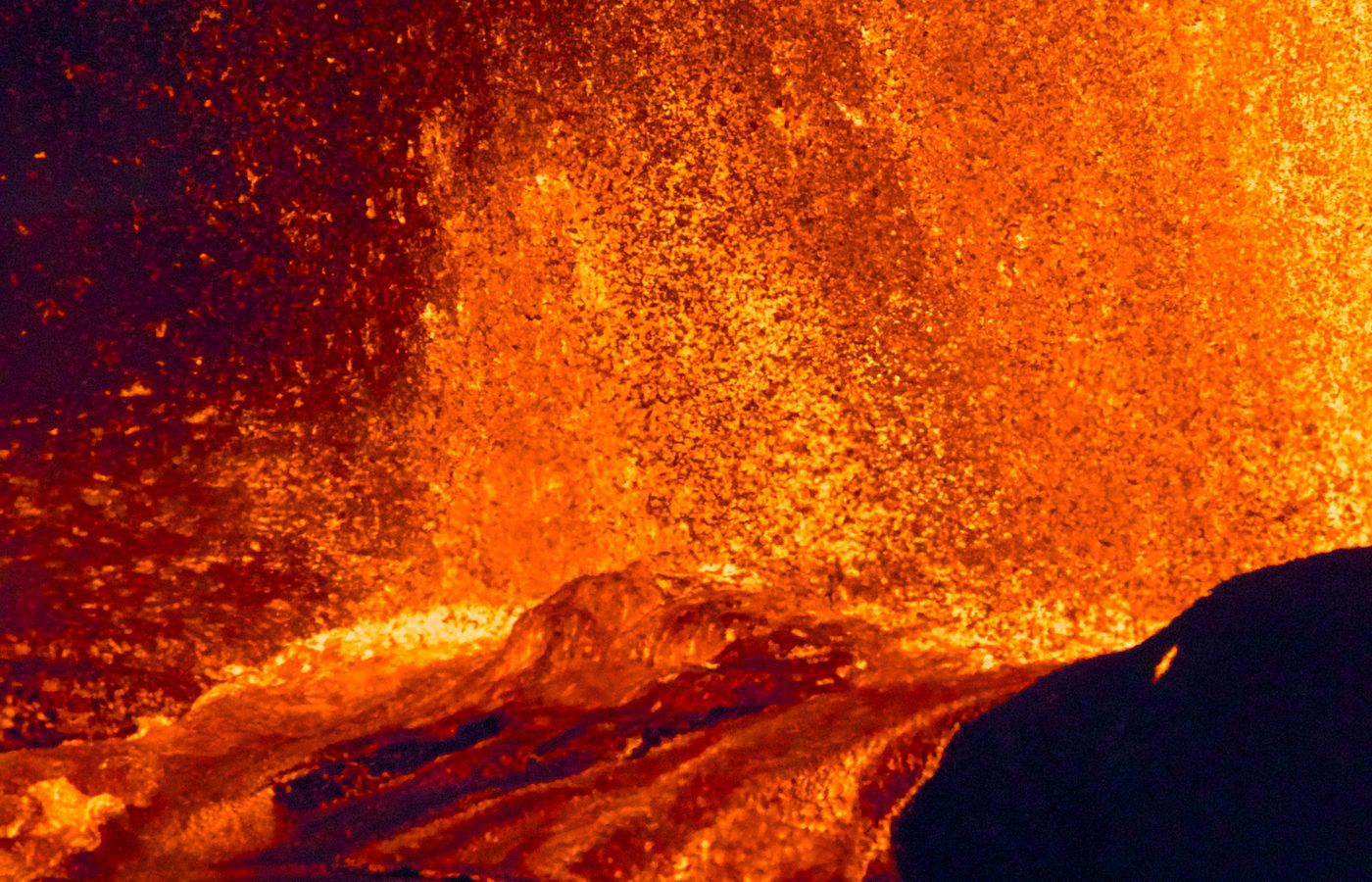
You can still have an amazing visit. The summit eruption continues inside Halemaʻumaʻu crater, and its glow after dark remains a highlight for many visitors. These three steps will help you enjoy it safely.
How Do You Check Conditions Before You Go?
Visit the park’s Alerts page at nps.gov/havo and the USGS Kīlauea updates the morning of your trip. Conditions can change within hours. Stop at the Kīlauea Visitor Center for ranger advice on open trails and the best lava-viewing spots.
Is Vog Safe for People With Health Conditions?
Sulfur dioxide from the summit can bother people with asthma, COPD or heart disease. Carry your medications and an inhaler if you use one, watch wind forecasts and limit time near steaming vents. If you feel short of breath, leave the area. The summit sits near 4,000 feet, so pace yourself and bring layers and water.
Where Can You Still See the Coastline Safely?
Chain of Craters Road still leads to dramatic sea cliffs. Stay behind barriers and well back from cliff edges, which can crumble without warning. To discover nearby day trips and outings, TripsNearby helps you find local attractions that fit your pace. Also see our guide to fall travel deals for travelers over 50.
Looking Forward
The loss of the Hōlei Sea Arch is a reminder that this park is alive and always changing. That is exactly what makes it special.
Book refundable lodging when possible and build a spare day into your itinerary in case a closure changes your plans. Plan with flexibility, respect closures and check updates daily. With smart preparation, Hawaii Volcanoes National Park can be one of the most memorable trips of your life. For more park tips, read our National Public Lands Day senior tips.