



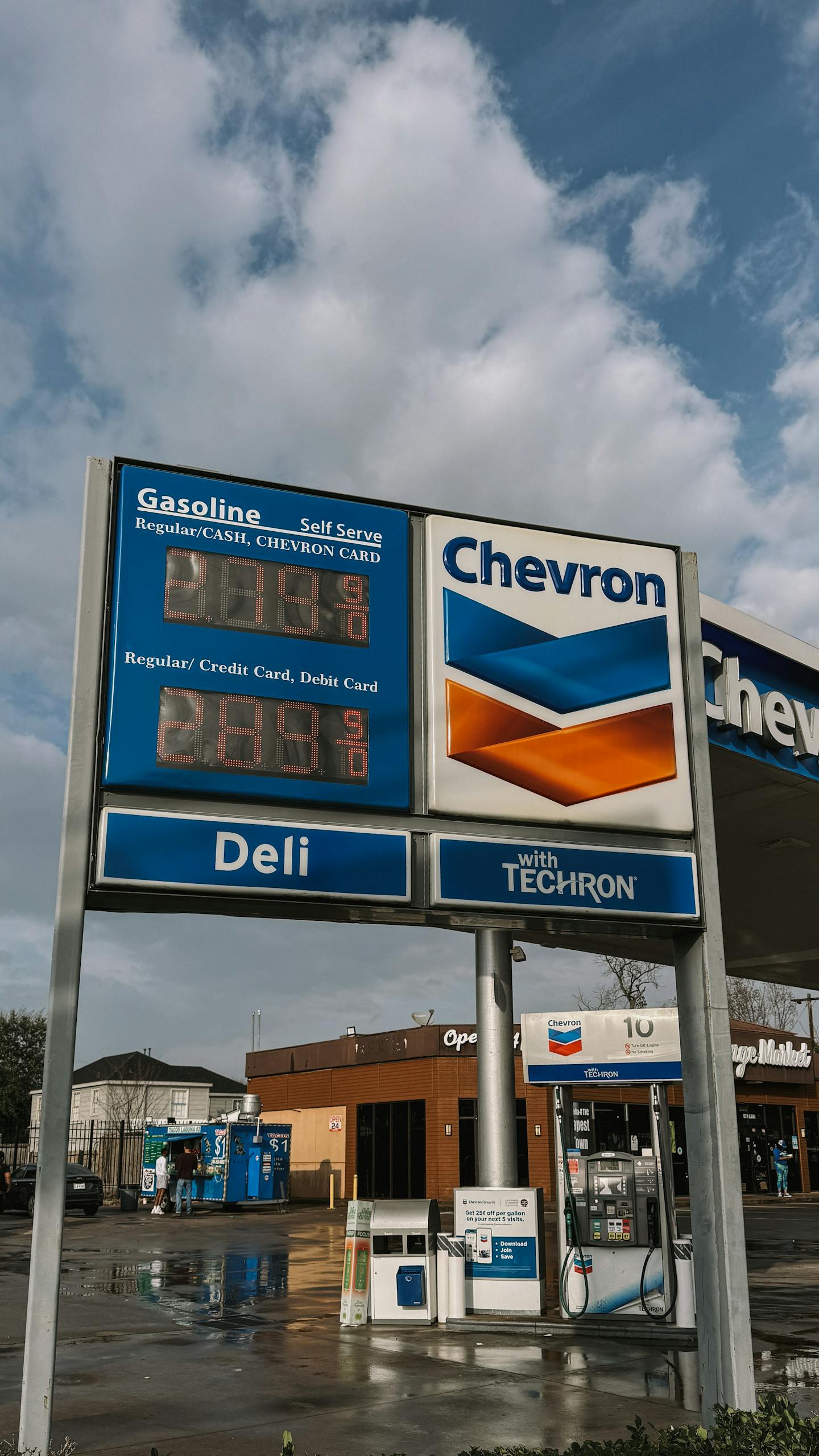
Gas Prices, the Iran Crisis, and Your Fixed Income: What Seniors Can Do Right Now

Gas prices do not move in isolation. They move with oil markets, and oil markets move with geopolitics — which is why the escalating conflict involving Iran, one of the world’s significant oil producers and a central player in the world’s most oil-rich region, has sent pump prices climbing in ways that are directly felt at the gas station every week. For Americans on fixed incomes — retirees, Social Security recipients, and pension holders whose income does not adjust dynamically to inflation — a sustained spike in gas prices is not an inconvenience. It is a genuine budget problem.
The good news is that the gas budget is one of the most actionable items in any household’s monthly spending. There are real strategies, available right now, that can take a meaningful bite out of what you spend at the pump. None of them requires deprivation. They just require a bit of deliberate effort.
Why Prices Are Up — The Short Version
Iran sits at a critical chokepoint for global oil supply. Conflict in the region raises fears of supply disruption, and oil markets — which trade on anticipated future supply — respond to fear as much as to actual disruption. When tensions spike, traders price in the risk, and that risk premium flows directly to the barrel price, then to the refinery, then to the pump. The chain from Middle East conflict to your local gas station is shorter than most people realize, and faster.
Combined with persistent broader inflation affecting everything from groceries to utilities, older adults are facing a cost environment that has compressed purchasing power in ways that are cumulative and grinding. Social Security’s annual cost-of-living adjustments help but rarely keep full pace with the specific basket of goods that older Americans actually purchase, which is more weighted toward healthcare, food, and energy than the broader CPI basket.
Where to Find the Cheapest Gas Near You
Costco and Sam’s Club consistently offer gasoline at prices meaningfully below the market average — often 15 to 25 cents per gallon less than nearby branded stations. If you are not a member and you drive regularly, the membership cost frequently pays for itself in fuel savings alone within a year. The lines can be longer, but most Costco gas stations move quickly. If you are already a member for warehouse shopping, the gas station is one of the most underused benefits available to you.
GasBuddy (the free app and website) crowdsources real-time price data from drivers and shows you the cheapest stations within any radius you choose. Opening GasBuddy before you leave home takes thirty seconds and can save you fifteen to twenty cents a gallon on every fill-up. Over the course of a year, for a driver filling a 15-gallon tank once a week, that is $100 to $150 in savings.
Grocery store fuel rewards programs are one of the most overlooked discount mechanisms available. Kroger, Safeway, Giant, Harris Teeter, and many regional grocery chains credit fuel points for every grocery dollar spent, redeemable at affiliated gas stations. Buying what you already buy — groceries, pharmacy, gift cards — accumulates credits that frequently translate to 10, 20, or even 50 cents off per gallon. If you shop at a chain with a fuel rewards program, enrolling and using it costs nothing.
Warehouse clubs and discount retailers like BJ’s Wholesale and some Murphy USA stations (located at Walmart) also consistently offer below-market fuel prices. The Murphy stations in particular are convenient because the Walmart parking lot visit combines two errands.
Drive Less Without Living Less
Beyond where you buy gas, how much you use also matters. Trip consolidation — batching errands so you make one comprehensive outing rather than three separate trips — is the simplest and most underused fuel-saving strategy. A mental habit of asking “what else can I accomplish on this route?” before every departure accumulates into meaningful savings over the course of a month.
For medical appointments, grocery runs, and other regular trips, senior transportation services provided by Area Agencies on Aging, local transit authorities, and volunteer driver programs are often free or very low cost. Many older adults are not aware that these services exist in their community or believe they are only for people without cars. They are, in fact, available to anyone who wants to reduce their driving costs — and using them occasionally frees your own tank for the trips that matter most to you.
The Bigger Picture
Geopolitical crises are outside anyone’s control. Your response to their downstream effects on your household is not. Small deliberate adjustments — the right gas station, the right app, the right shopping program, the consolidated errand run — add up to real money over the course of a year that can be redirected toward everything else that has also gotten more expensive. You cannot fix the price of oil. You can make sure you are paying as little of its markup as possible.