





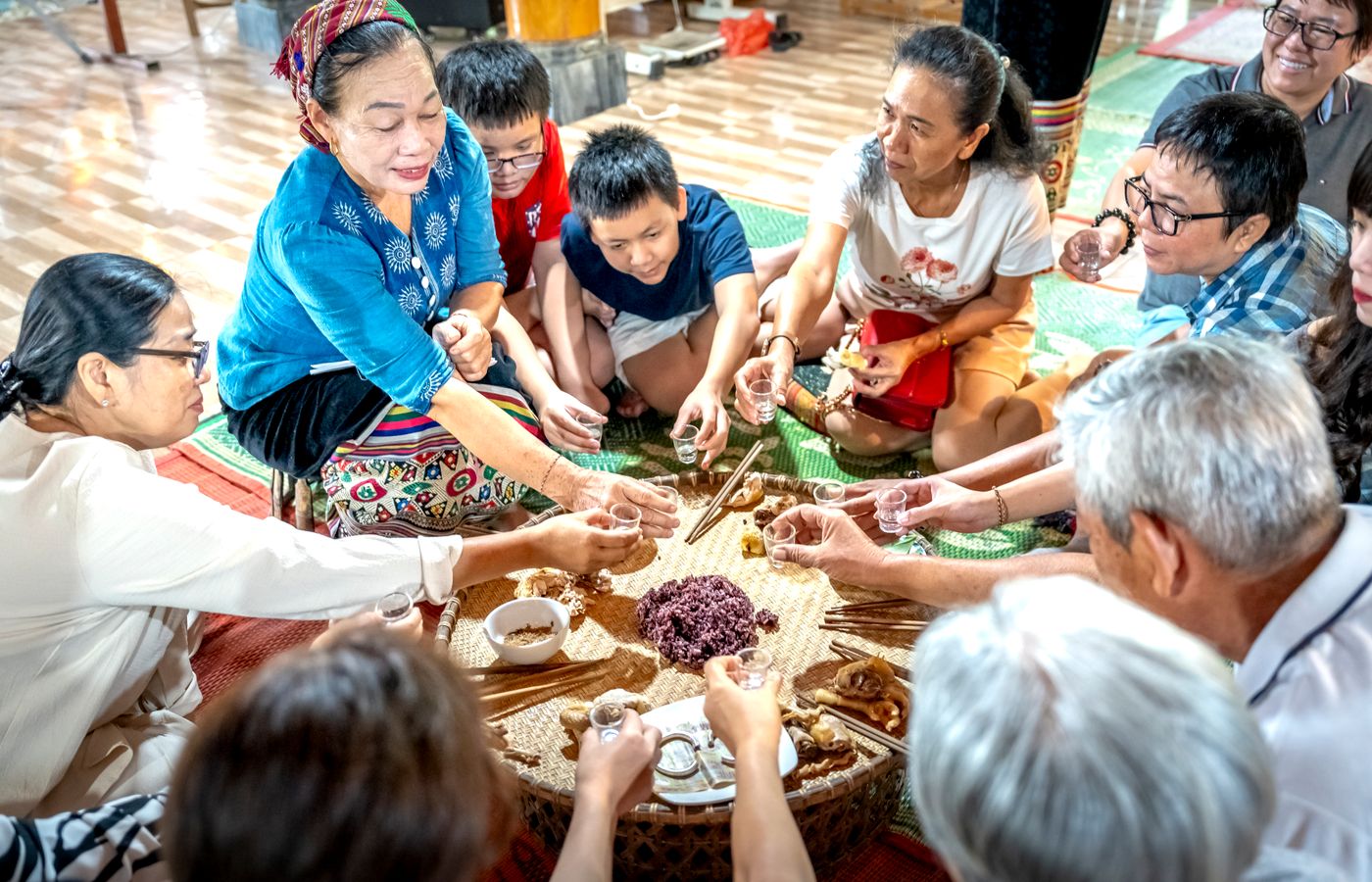
Family Food Traditions: 5 Essential Ways to Pass Them On
Family food traditions carry more than flavor. They hold stories, places and people we love. A November 2025 Talker Research survey of 5,000 Americans, commissioned by Jennie-O, found that 55% have a treasured family recipe shared through the years. With the holidays coming, now is a great time to make sure those dishes live on.
Why Family Food Traditions Matter After 50
Grandparents are often the keepers of family memory. In an AARP survey released in September 2025, 85% said grandparents help younger generations by teaching family values, resilience and life skills. Yet 63% had not yet recorded their stories.
Food is an easy place to begin. A shared meal invites questions about where a dish came from, who first made it and what it meant. Those conversations build the kind of bond we explored in our piece on simple ways to connect with grandkids.
How Can You Pass Down a Recipe That Was Never Written?
Many treasured dishes live only in someone’s hands. “A little of this” is hard to copy. Try these steps:
- Cook together and measure as you go. Have a helper catch each pinch in a measuring spoon.
- Record a short video. Your voice and hands are part of the recipe.
- Write down the story. Note who taught you and the occasions it was served.
- Share copies. Send them to siblings, children and cousins so the recipe is not stored in one place.
What If Your Heritage Cuisine Is Hard to Find Nearby?
Many families now live far from the places their recipes came from. Some ingredients are hard to find, and some dishes take a full day to cook. That is no reason to let a tradition fade.
Plan one “heritage night” each season. Cook one dish yourself and let local cooks from your community handle the rest. Buying from small food businesses run by people who share your culture keeps traditions alive on a wider scale. It also gives grandchildren a taste of dishes you may not have the energy to make from scratch.
Curiosity runs both ways. The same Talker Research survey found that many respondents would gladly try to recreate a recipe from a different cultural background. A dish from your heritage can become a bridge for in-laws and friends, too, much like the bonds celebrated in our story on aunts, uncles and the wider family circle.
Smart Hosting Tips for Holiday Gatherings
Big family meals also need care. The CDC notes that nearly half of adults 65 and older with a lab-confirmed foodborne illness from germs like Salmonella or Listeria are hospitalized. Keep these basics in mind:
- Refrigerate leftovers within 2 hours, per USDA guidance, and eat them within 3 to 4 days.
- Set out smaller platters and refill them, rather than leaving one big dish out all afternoon.
- Give each grandchild a job, from setting the table to telling the story behind one dish.
Our recent look at food safety lessons after 50 has more tips for keeping guests safe.
Looking Forward
Family food traditions do not need to be perfect to matter. Cook one dish together, write down one story and share it with the next generation. Whether you cook every bite or bring in help from local cooks, the table is where your family’s history keeps being written.