Cracker Barrel’s CEO Exit Reveals a Nostalgia Reckoning For Seniors
Cracker Barrel’s CEO is stepping down after a rebrand backlash—proof that nostalgia and tradition still carry serious weight with loyal customers.

Cracker Barrel’s CEO is stepping down after a rebrand backlash—proof that nostalgia and tradition still carry serious weight with loyal customers.
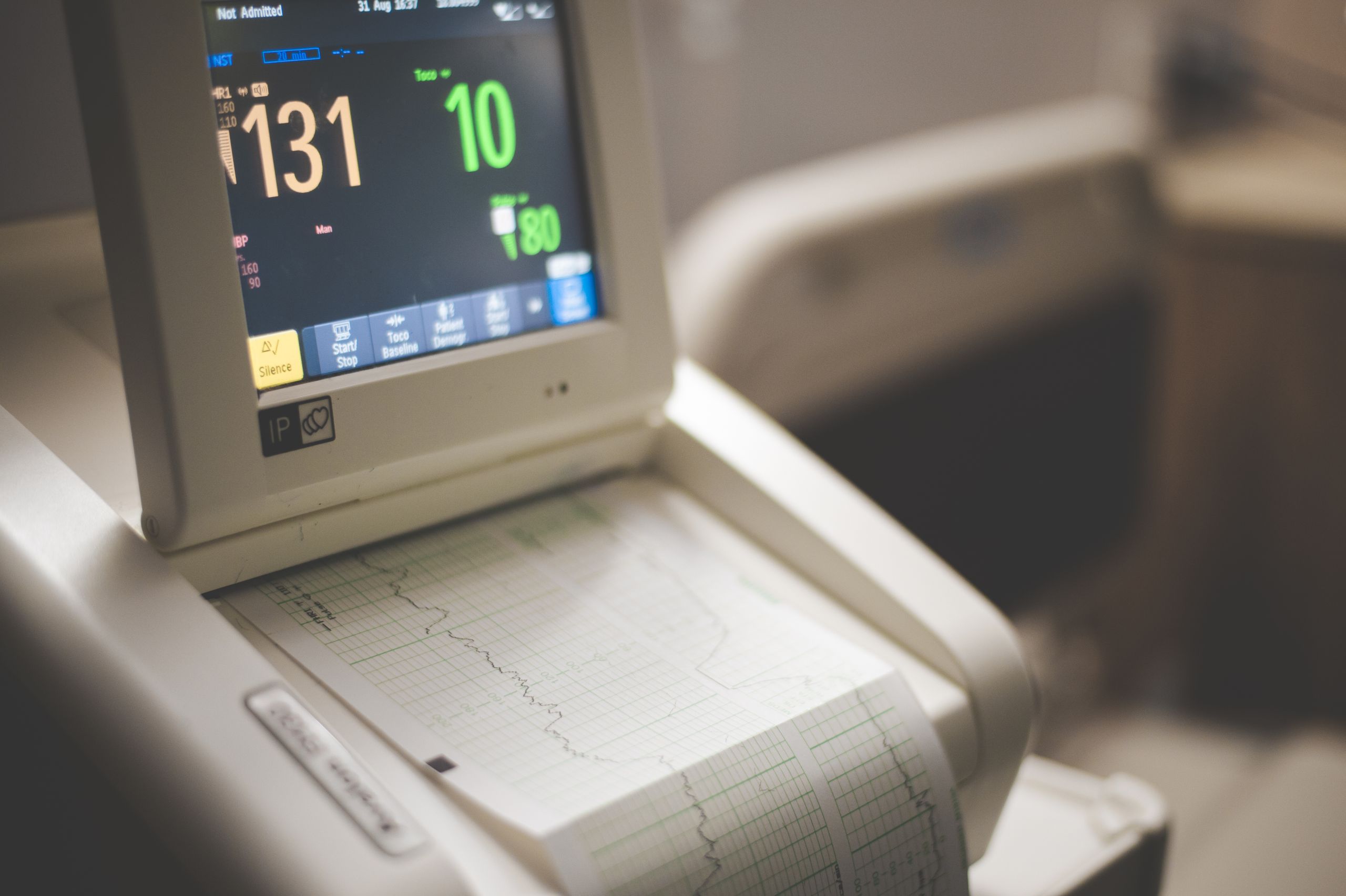
Samsung’s newest AI-powered smartwatch adds real-time fall detection and irregular heartbeat monitoring—two features that could help older adults age safely at home.
Medicare’s new GLP-1 Bridge program caps popular weight-loss drugs at $50 a month for qualifying Part D enrollees—here’s who’s eligible and how to enroll.

A prolonged heat wave is putting adults 65+ at serious risk—discover the warning signs of heat illness and five proven ways to stay cool and safe.

National Aunt and Uncle Day celebrates the mentors, confidants, and steady presences that aunts and uncles provide across generations.

A new Georgia law now lets banks freeze suspicious withdrawals from older adults’ accounts for up to 15 days—a concrete new tool against elder financial abuse.

Gas prices climbed above $4 a gallon this week amid Houthi attacks on Saudi oil tankers—a squeeze that hits fixed-income retirees especially hard.

Yale researchers found 45% of adults 65+ improved in at least one health area — and the strongest predictor was how positively they viewed their own aging.
A new lawsuit alleges ChatGPT’s confident but wrong health advice nearly cost a man his life — a caution for anyone 50+ who turns to AI before a doctor.
This Self-Care Day, adults 50+ are learning that five minutes of daily health tracking can catch warning signs before they become emergencies.

AI-enabled scam losses have jumped twentyfold since 2023 as fraudsters use voice cloning to impersonate panicked grandchildren, but a simple family safe word can stop the scam cold.

The American Cancer Society’s newly reaffirmed 2026 guidelines say screening should run through age 75, with 76-85 left to individual choice—here’s what that means for you.